Vanilla could help heal wounds
Popular Science ·
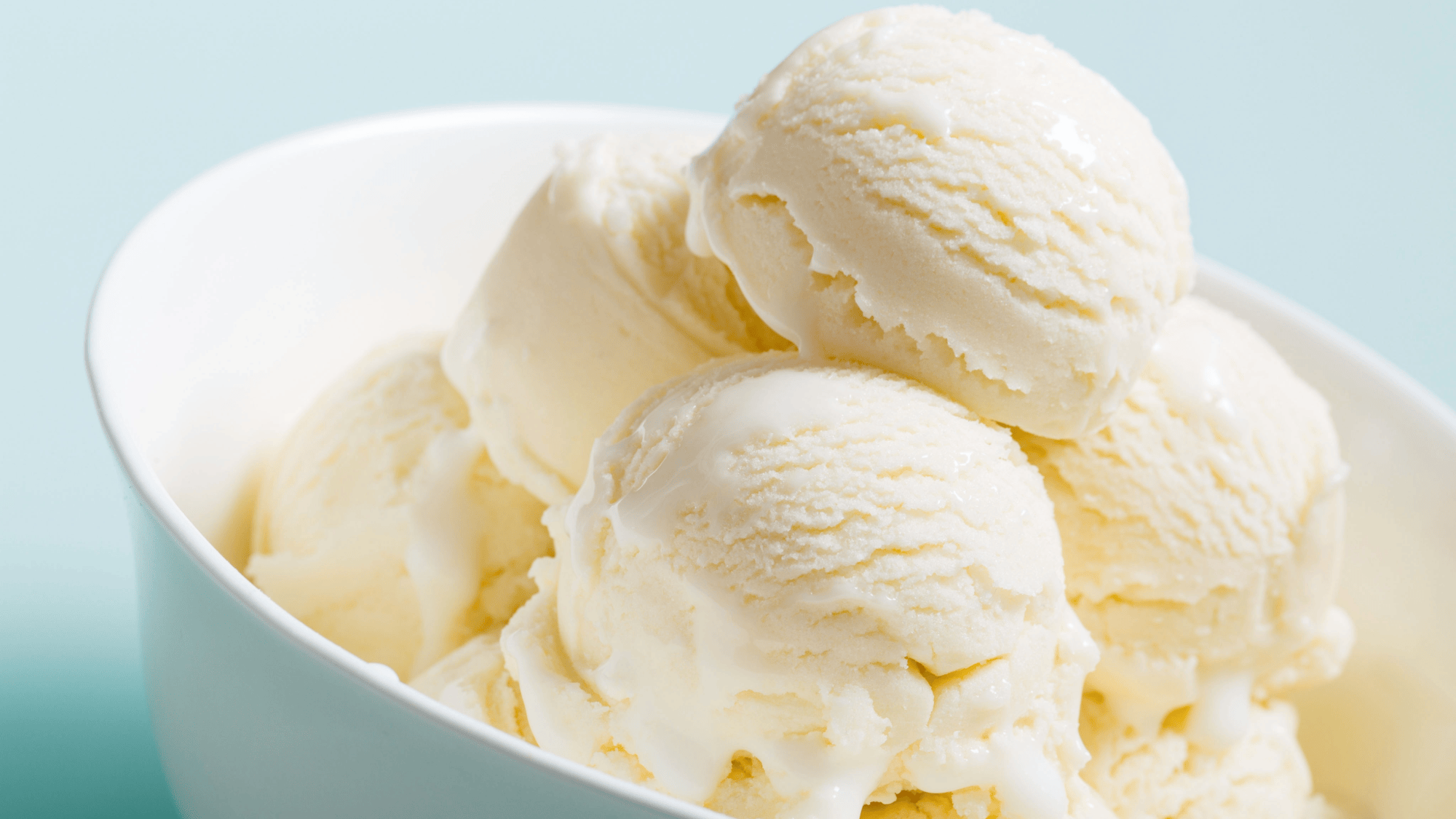
A compound in vanilla pods has anti-inflammatory, antibacterial, and antioxidant properties. The post Vanilla could help heal wounds appeared first on Popular Science .
A common baking ingredient could help heal wounds—and it’s pretty sweet. Vanillin (which comes from vanilla pods) has anti-inflammatory, antibacterial, and antioxidant properties that could be used in wound-healing treatments. A study recently published in the International Journal of Pharmaceutics details this food-to-function framework.
Food-to-function frameworks provide a foundation for exploring how various foods can be used beyond providing nutrition. In this study, the team at Flinders University in Australia looked into vanillin. The chemical component can be extracted from natural vanilla pods and it can also be synthetically produced from rice or clove oil . Vanillin is generally an additive used to give food a sweet flavor, but it is a functional molecule that links other elements together. The researchers linked its chemical properties to some potential biomedical applications.
“Vanillin is among the most widely used flavour compounds in the global food system, valued for its sensory attributes, chemical stability and long history of safety—and that can be transferred to other areas, such as medical uses,” Krasimir Vasilev , a study co-author and biomedical engineer, said in a statement . “Because vanillin’s synthetic form is abundant and cost-effective, we believe vanillin-based formulations may offer safe and multifunctional solutions for ulcer treatment and targeted drug delivery, especially of hydrophobic compounds.”
One of the keys is vanillin’s amphiphilic structure . It has both water-loving (hydrophilic) and water-hating (hydrophobic) parts, so it can interact with both water and oil or other incompatible solvents that break molecules down. According to the team, this type of molecular structure means that vanillin interacts with cellular membranes, unstable oxygen-containing molecules, and tough polymers. The more types of material a compound can interact with, the more ways it can be applied.
Looking to nutrition to support health is nothing new. Vitamin A from foods like carrots and squash are essential for healing after a surgery, while nuts, fruits, tomatoes, and olive oil can fight inflammation . Food-to-framework studies like these will often take that to the next level, and explore applications in more medical settings.
Previously, Vasilev noticed that eating peppermint leaves helped relieve a sore throat, and was curious if it could be applied elsewhere in medicine. In a February 2026 study , Vasilev and the Flinders team found that peppermint oil could be a versatile new medical coating. They created a nanoscale peppermint‑oil derived coating that can be applied to commonly used medical devices like catheters. The peppermint-oil coating could help protect from infection and inflammation.
The team is equally enthusiastic about vanillin as they are peppermint, as vanillin is cheaper and more readily available, making it easier to scale-up and reproduce.
“With coordinated engagement between academia, clinicians, and industry, vanillin has the potential to progress from an underutilised bioactive to a clinically deployable component of next-generation wound care and regenerative therapeutics,” said Vasilev.
The post Vanilla could help heal wounds appeared first on Popular Science .