Halley’s Comet Barraging Earth With Debris
Futurism ·
Heads up! The post Halley’s Comet Barraging Earth With Debris appeared first on Futurism .
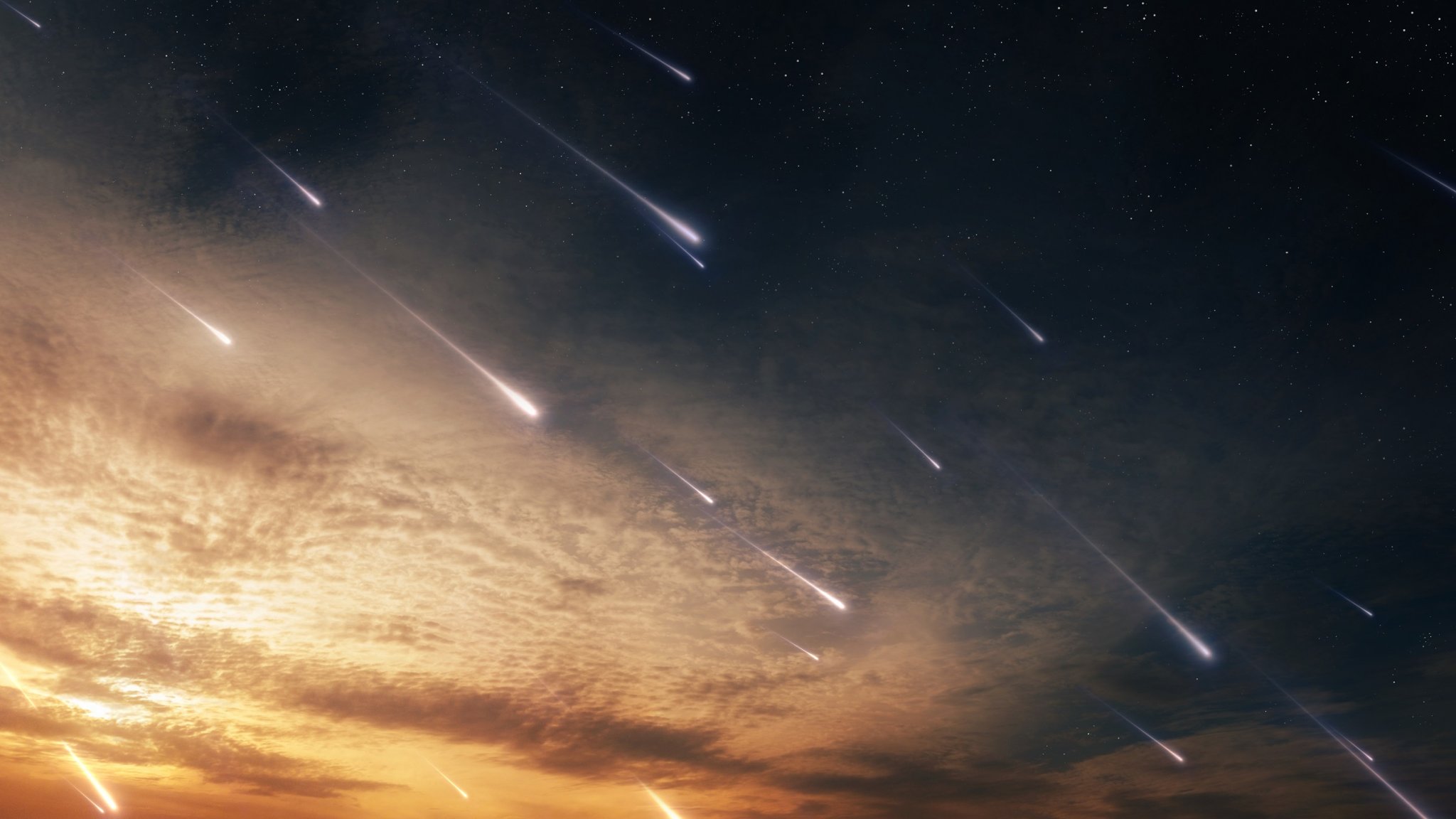
Keep your eyes peeled and your binoculars primed tonight, stargazers. The distant Halley’s Comet is reminding us of its far-off presence by pelting our planet with a barrage of meteors which will make the eastern welkin blush with a cosmic light show.
The meteor shower, known as the Orionids, is characterized by its fast-moving bright streaks and fireballs that can be seen for minutes at a time, with some trails staying visible even after the meteor has blinked out. And yes, you can see them with the naked eye.
Though it began at the start of October and is projected to last until November 7, the shower is expected to hit peak brightness this Wednesday night and early Thursday morning.
Its resplendence, however, will be challenged by a waxing gibbous Moon, which will be around 77 percent full tonight and as such fairly shiny in its own right, but will set early in the morning.
Halley’s Comet is a long period comet that takes 76 years to orbit the Sun and only makes an appearance in our skies roughly just as often. Last time it swung by was back in 1986, and it won’t return until 2061, but the Orionids, which are essentially the debris discarded by the comet as it nears our star, can be seen at other times because they linger around long after it has departed back into the void.
Our planet happens to pass through this debris field twice a year, producing a meteor shower. The Orionids falls in October, and the other meteor shower, known as the Eta Aquariid, occurs in May. The streaks of light in our sky are the comet’s ejected particles burning up as they tear through our atmosphere.
To watch the Orionids, NASA recommends viewing it after moonset and before dawn because of the bright gibbous Moon. That will probably be around 3:30 AM EST. You don’t need any special equipment, but you should get outside the city and go somewhere far from any sources of light pollution. Then cross your fingers and hope for clear weather.
The shower originates from a point near the star system Betelgeuse in the constellation Orion, but the shower is noticeable enough that you won’t have to do much more than look towards the southeast to spot it. If you’re lucky, you’ll see up to 20 streaks cross the sky each hour.
More on astronomy: Scientists Discover Weird Conditions at Site of Star That Exploded During the Period of Japanese Samurai
The post Halley’s Comet Barraging Earth With Debris appeared first on Futurism .