In 1828, serial killers sold their victims’ bodies to science
Popular Science ·
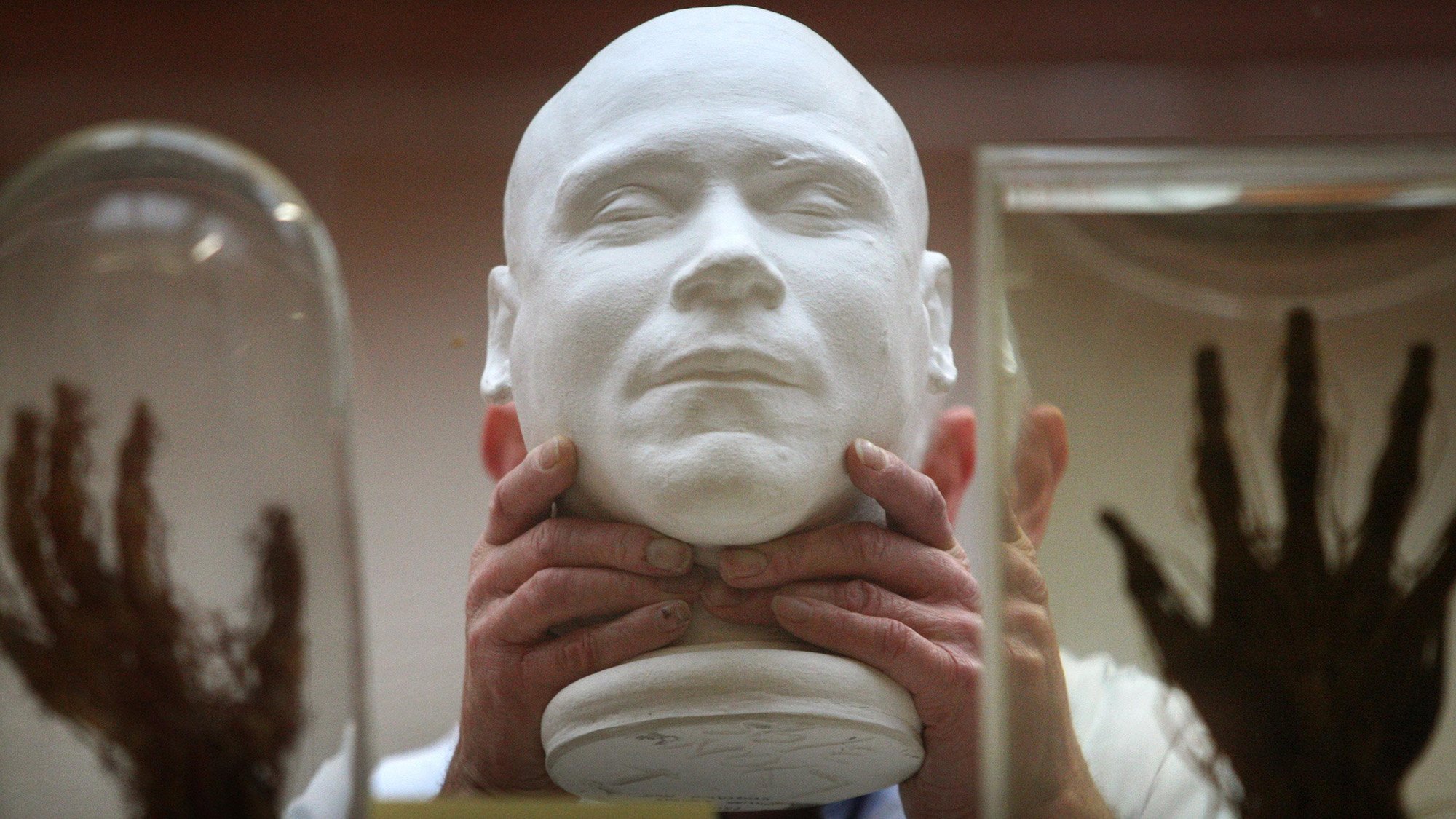
Edinburgh's medical schools needed bodies. William Burke and William Hare had a horrifying solution. The post In 1828, serial killers sold their victims’ bodies to science appeared first on Popular Science .
For as long as surgeons cut open living people to keep them alive, they have needed dead people to practice on. Today, donation programs keep medical schools supplied with the bodies they need to teach their students. But in 1820s Scotland, donating your body to science wasn’t legal yet. Nonetheless, one doctor found a way to get the bodies he needed. But it came at a terrible cost. This is the grisly story of the Anatomy Murders.
In the early 1800s, surgery was booming. A few decades earlier, Scottish surgeon John Hunter had helped bring a scientific view to Western medicine , transforming surgery with experimentation and careful observation. The Napoleonic Wars had boosted the demand for trained surgeons, Alun Evans , a retired epidemiologist at Queen’s University in Belfast, tells Popular Science.
One of the leading lights in this burgeoning field was Hunter’s compatriot Robert Knox, who ran an anatomy school in Edinburgh. But by 1827, Knox had hit a roadblock to his teaching ambitions. A change to regulations meant that dissection had become an important part of the medical curriculum . Knox’s school would require more than 400 bodies the following year. What made this such an overwhelming ask was that citizens had no legal way to donate their bodies to medical science. But where there’s a demand, supply will follow.
Edinburgh Medical School first opened in 1728, and for much of the next century, allegations of grave robbing linked to the school had been rife. Newly buried corpses would be exhumed and then presented at medical school doors by so-called “resurrectionists”.
The provenance of these bodies was unimportant to the corpse-strapped medical profession. But families, desperate to protect their loved ones, had taken extreme steps to stamp out the practice. Relatives would stay at their loved ones’ graveside for weeks, waiting for their bodies to lose their medical value. Factories produced devices like mort safes, heavy iron cages placed over newly dug graves . Knox had been forced to source his bodies from further away, even bringing some from across the Irish Sea.
Across the city, two other men also had a body problem. Irishman William Hare owned a lodging house with his wife near Edinburgh’s Grassmarket. One of his tenants was a fellow Irishman, William Burke. Burke and Hare became friends.
One day in early 1828, Hare discovered one of his tenants had died overnight. Even worse, the dead man still owed him rent. The pair came up with a plan to recoup the money, and they carried the corpse to Knox’s door. There, he paid them £7 and 10 shillings; more than a month’s wages.
Their eyes opened by greed, Burke and Hare hatched a plan to get Knox the bodies he desperately needed. Over the next 12 months, they brought him 16 fresh corpses. They had acquired each one by murdering their way through the poor of Edinburgh. They had lured the victims to Hare’s guesthouse, and then suffocated them in the night, lying on their chests to minimize any damage to their valuable bodies. The majority of their victims were women.
Burke and Hare’s rampage was only stopped in November 1828. A tenant at Hare’s guesthouse reported to the police that they had found a corpse under their bed. When the police raided the premises, they only found a single spot of blood where the body had been.
But under interrogation, Burke and his wife gave inconsistent accounts. Eventually, Burke, Hare, and their wives were all arrested.
Despite their equal guilt in their crimes, the two men had very different fates. Hare offered to confess everything to the authorities in exchange for his freedom. His evidence condemned Burke.
Two months later, Burke was hanged in front of a baying crowd. Ironically, his crimes meant that, under the Murder Act of 1752, he was not allowed a burial. His body was instead donated to the Edinburgh Medical School, where his skeleton is still on show today.
Hare disappeared after being freed. Evans says that research suggests he returned to Ireland, where some think he ended his days in Kilkeel Workhouse in County Down.
Knox faced graver consequences than Hare. He was never tried for his link to the murders, but his reputation was buried. He was forced out of a curatorial role at the Royal College of Surgeons and eventually moved to London. He was unable to secure another university teaching post, but continued to work as an anatomist at a hospital in the city.
Evans says the taint of the scandal went beyond Knox. “The Burke and Hare scandal really stymied medicine in Edinburgh considerably, and it explained the rising popularity of the Dublin schools and the Paris schools of medicine,” he says.
One fact that may have haunted Knox is that if he had avoided the lure of Burke and Hare’s corpses for just a few more years, he would have benefited from the Anatomy Act, passed in 1832, which gave surgeons the green light to procure any bodies from hospitals, prisons, or workhouses that had gone unclaimed for 48 hours. Voluntary donation was also legalized at the same time.
Instead, Knox became part of a black legend in Scotland’s history. Burke and Hare’s crimes have become an indelible part of Edinburgh’s grim past.
In That Time When , Popular Science tells the weirdest, most surprising, and little-known stories that shaped science, engineering, and innovation.
In 1934, a doctor brought a dog back to life. He tried to do the same with humans.
Human head transplants’ gory, Frankenstein-esque history
At Scotland’s ancient Cladh Hallan, homes were full of human bones
In medieval France, murderous pigs faced trial and execution
During WWII, Great Britain poisoned sheep with anthrax on an idyllic Scottish island
7 ways toilets have killed people
The radioactive ‘miracle water’ that killed its believers
The post In 1828, serial killers sold their victims’ bodies to science appeared first on Popular Science .