Samsung’s new fitness tracker just leaked — everything you need to know about the rumored Fitbit Edge competitor
Latest from Tom's Guide ·
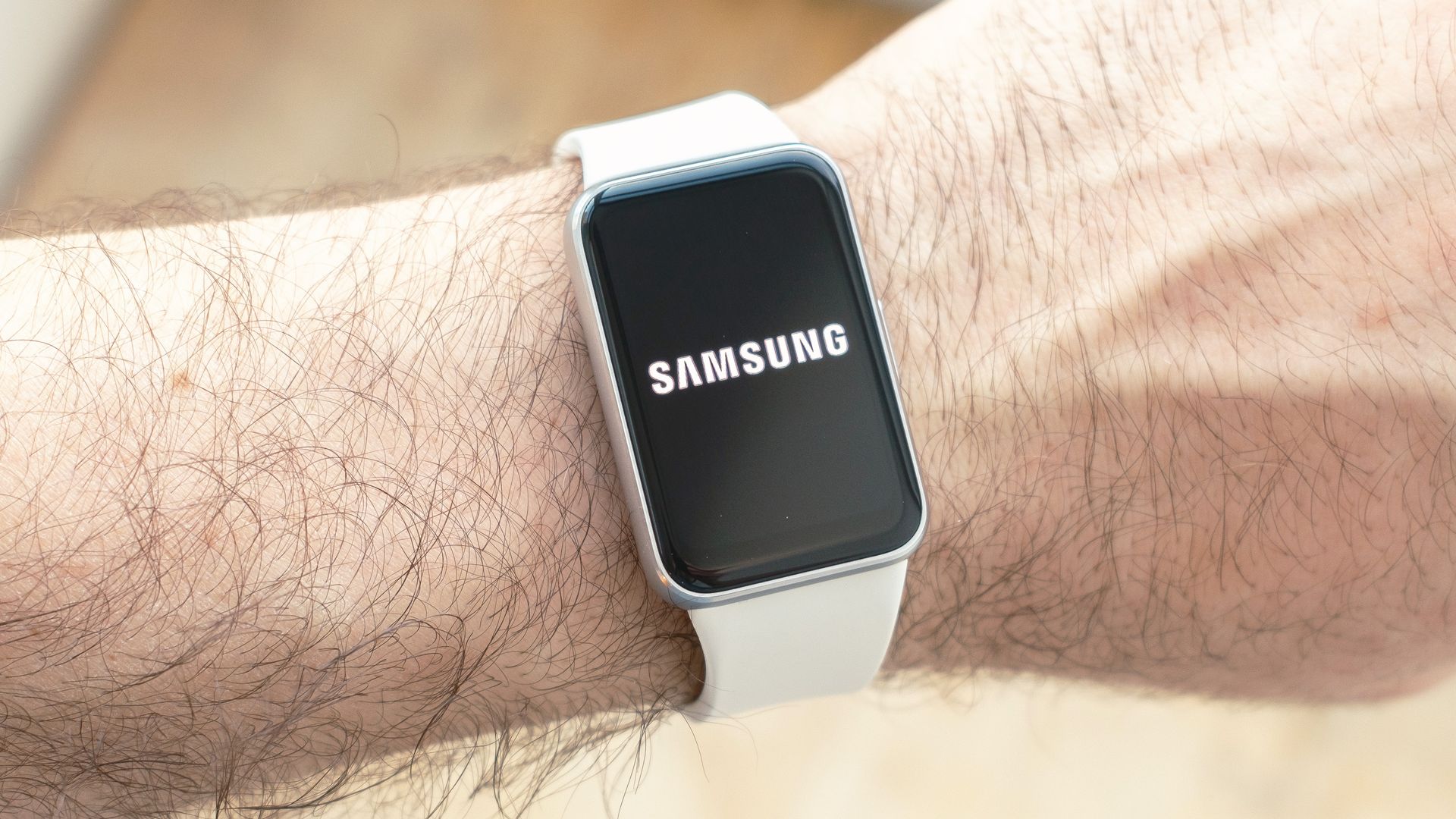
While the recent Fitbit Edge and screen-less Fitbit Air are the hottest fitness trackers of 2026, Samsung appears set to launch a direct competitor to the former in the near-ish future.
The Samsung Galaxy Fit 4 would replace 2024’s Samsung Galaxy Fit 3 , a small tracker with a large display and support for some of Samsung’s best holistic tools, borrowed from the higher-end Galaxy Watch line.
What might the Galaxy Fit 4 bring to the table, and will it be enough to beat the Fitbit Edge , arguably the best fitness tracker for most people on the market today? Here’s everything we know (and think we know) about the Galaxy Fit 4 based on recent rumors and leaks.
The Samsung Galaxy Fit 3 debuted globally in 2024 but wasn’t available in the U.S. until winter 2025. A launch price of $59 made the Galaxy Fit 3 one of the best bang-for-your-buck fitness trackers on the market at the time, undercutting even the popular Fitbit Inspire 3 .
I’ve yet to see any pricing rumors for the Galaxy Fit 4, but based on its predecessor's cost and Samsung’s history of beating the competition, price-wise, I’d be willing to bet that the Galaxy Fit 4 is a little more than the Galaxy Fit 3 (to account for inflation, at least) but still less than the $99 Fitbit Air .
Based on leaked blueprints of the device from earlier this year, first shared by Android Authority , the Galaxy Fit 4 is tipped to feature a rectangular case with a decently sized AMOLED touchscreen and a single physical button on the side, just like its predecessor and the Fitbit Edge.
In terms of display specs, the older model features a rectangular 1.6-inch AMOLED panel with 256 x 402 pixels of resolution and a max brightness of around 600 nits. What might the Galaxy Fit 4 feature?
My guess is that the screen size will stay the same. However, according to a recently published report from SammyGuru — which allegedly previewed an unreleased version of the companion app — the new model will have a slightly higher-res 258 × 428-pixel display than its predecessor.
In terms of brightness, given advancements in display technology over the past few years, there’s a good chance the Galaxy Fit 4 will also offer a higher maximum brightness than its predecessor for better readability in bright daylight.
What about the overall aesthetic of the wearable? A mostly aluminum case is likely, and you can also probably expect at least three color options, including black and white, with either blue or green replacing the Galaxy Fit 3's pink model.
The Samsung Galaxy Fit 4 is slated to have the brand’s GH3036 health sensor array for continuous heart rate monitoring and other holistic tracking capabilities. This information comes from Samsung’s own documents, first reported on by Android Authority .
New stress tracking and management tools could be in the cards, based on more recent insider reports; automatic workout detection is also rumored.
But beyond basic health, sleep, and fitness tracking, there’s still a lot we don’t know about the Galaxy Fit 4, feature-wise. For example, will it gain GPS for location tracking without a paired phone or NFC for contactless payments? Its predecessor lacks both, and either would be a welcome upgrade.
Like the Galaxy Fit 3, I fully expect the new model to offer safety tools like fall detection and emergency SOS, along with important health monitoring features like instant blood oxygen saturation (SpO2) readings, daily sleep scores, high/low pulse notifications, and snore detection.
Another upgrade I’d like to see is the addition of sleep apnea detection, something you’ll find on the best Samsung watches but not the Galaxy Fit 3.
Finally, the Galaxy Fit 3 is rated at an impressive 13 days of battery per charge. With the Galaxy Fit 4, battery life will likely be comparable, that is, unless Samsung outfits the wearable with a power-hungry GPS antenna.
Even if the Samsung Galaxy Fit 4 gains GPS and NFC and sells for a lower price than the competition, namely Fitbit, one major factor could ultimately limit its popularity: lack of iOS support.
While Google’s top-of-the-line wearables like the Pixel Watch 5 are Android-only, the brand’s line of Fitbit fitness trackers all play nicely with both Android and iOS devices.
This is to say, if Samsung is serious about making a dent in Google’s dominance in the wallet-friendly fitness tracker market, making the Galaxy Fit 4 multi-platform would be a wise first step.
What are your thoughts on a potential Samsung Galaxy Fit 4 fitness tracker? Which new features would you most like to see? Let me know below.