The Brutality of Lethal Injection Is Unfathomable
Futurism ·
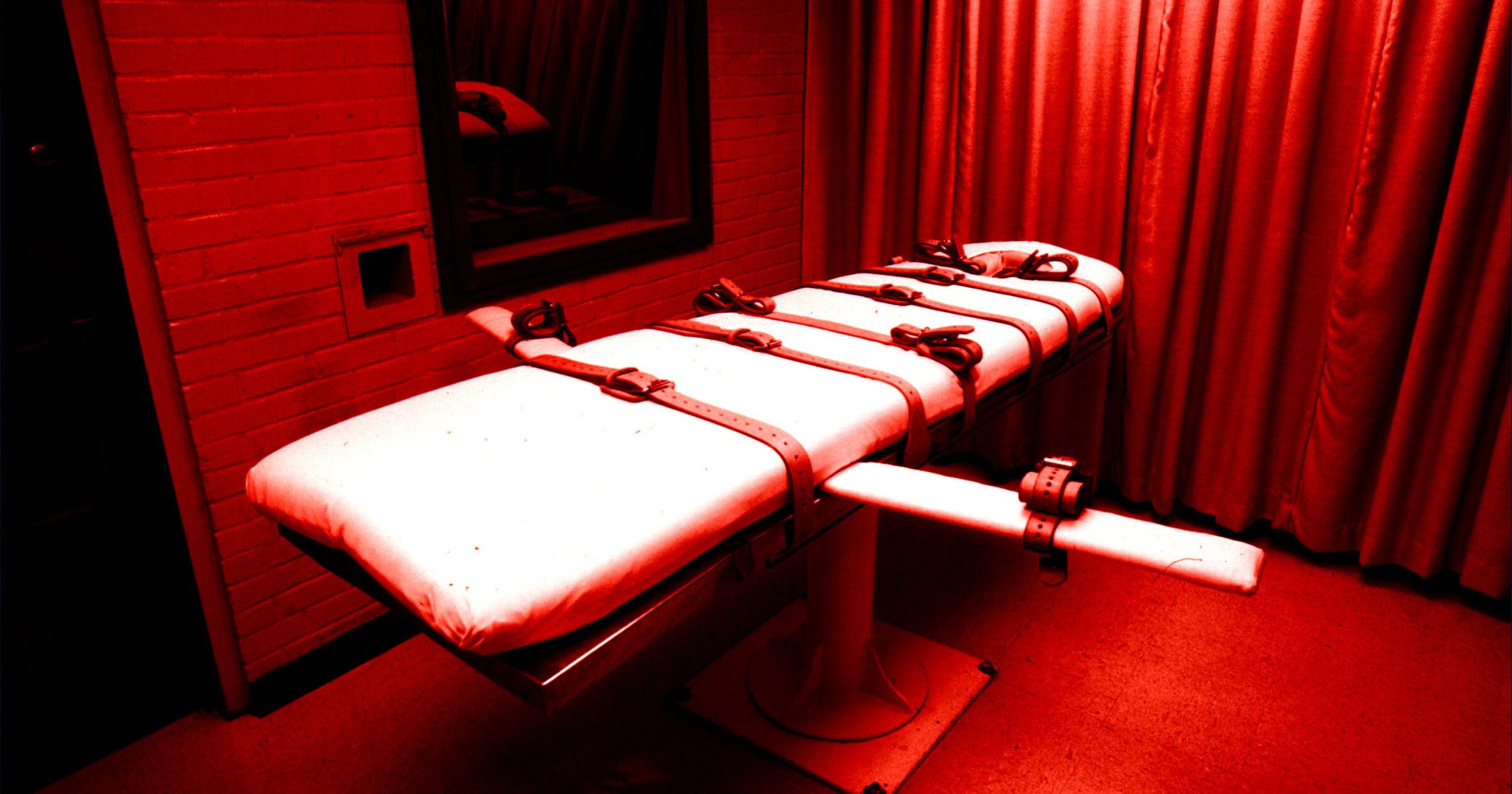
"Pentobarbital is not a painkiller, and when it is injected by the state, no one can say when a prisoner stops feeling pain." The post The Brutality of Lethal Injection Is Unfathomable appeared first on Futurism .
Since the development of the lethal injection protocol by Oklahoma lawmakers in 1977, states across the US have adopted the method, presenting it as an effective, even humane alternative to the barbarity of the noose and the electric chair.
Yet after 1492 executions — the total number of lethal injections in the US so far, as indexed by the Death Penalty Information Center — it’s become clear that death-by-chemical-injection is a horribly cruel way to take a life. As anesthesiologist and physician Joel Zivot argues in a new op-ed for the New York Times , it’s well past time we start treating lethal injection as the brutal crime against humanity that it really is.
Zivot would know, as a doctor for Christa Pike, a prisoner who was scheduled to be executed last week. He warned Pike’s attorneys “that she had medical conditions that could lead to a painful and cruel death by lethal injection,” findings which Pike’s lawyers attempted to use to argue against her death by lethal injection of the barbiturate pentobarbital, but to no avail. Pike’s execution went forward, though complications due to those very medical conditions led the state executioners to dose the woman twice — which she survived , while suffering horribly.
“After the pentobarbital was administered, her arms turned purple,” the anesthesiologist wrote. “Her lawyers report blistering and burning at the injection sites. This suggests that at least some of the pentobarbital entered the tissue of her arms rather than her bloodstream because the intravenous lines failed.”
Due to the highly alkaline quality of pentobarbital — it has a pH between 9.8 and 11 , similar to household ammonia — any mistake during the injection can have painful consequences for the victim.
“When injected into tissue, it causes a severe chemical burn,” Zivot continued. “In Ms. Pike’s case, it appears that enough of the drug reached her brain to sedate her deeply, but not enough to stop her breathing.” As local channel Fox12 reported , Pike even asked prison staffers if “it was supposed to feel that way.”
Yet even if the staff on duty for Pike’s execution had found her veins, evidence shows death by pentobarbital is a horrifying affair.
“I have reviewed the autopsies of more than 200 people executed by lethal injection,” Zivot explained. “In most of them, the prisoners’ lungs were heavy with fluid, often with froth in the airways. These are signs of pulmonary edema, which suggests that the prisoners could have felt as if they were drowning, even if some looked peaceful as they were dying.”
“In the hands of the state, pentobarbital is a poison,” the anesthesiologist wrote. “Pentobarbital is not a painkiller, and when it is injected by the state, no one can say when a prisoner stops feeling pain.”
Pike is far from alone. She joins 75 others who have suffered a traumatic botched execution by lethal injection since Oklahoma first made it a national standard nearly 50 years ago. Given that the 28 states which authorize lethal injection are in no hurry to end the barbaric practice, Zivot says the least they can do is be honest and transparent about how brutal the execution method really is.
“Some states have already turned to nitrogen gas and firing squads,” he said, while “Christa Pike asked to be hanged. I do not endorse those methods. But they, at least, do not pretend to be medicine.”
More on incarceration: Climate Change Is Turning Prisons Full of Human Beings Into Industrial-Scale Air Fryers
The post The Brutality of Lethal Injection Is Unfathomable appeared first on Futurism .