Elections cause stress for nearly 70% of US adults. Here’s how to manage the anxiety
PolitiFact ·
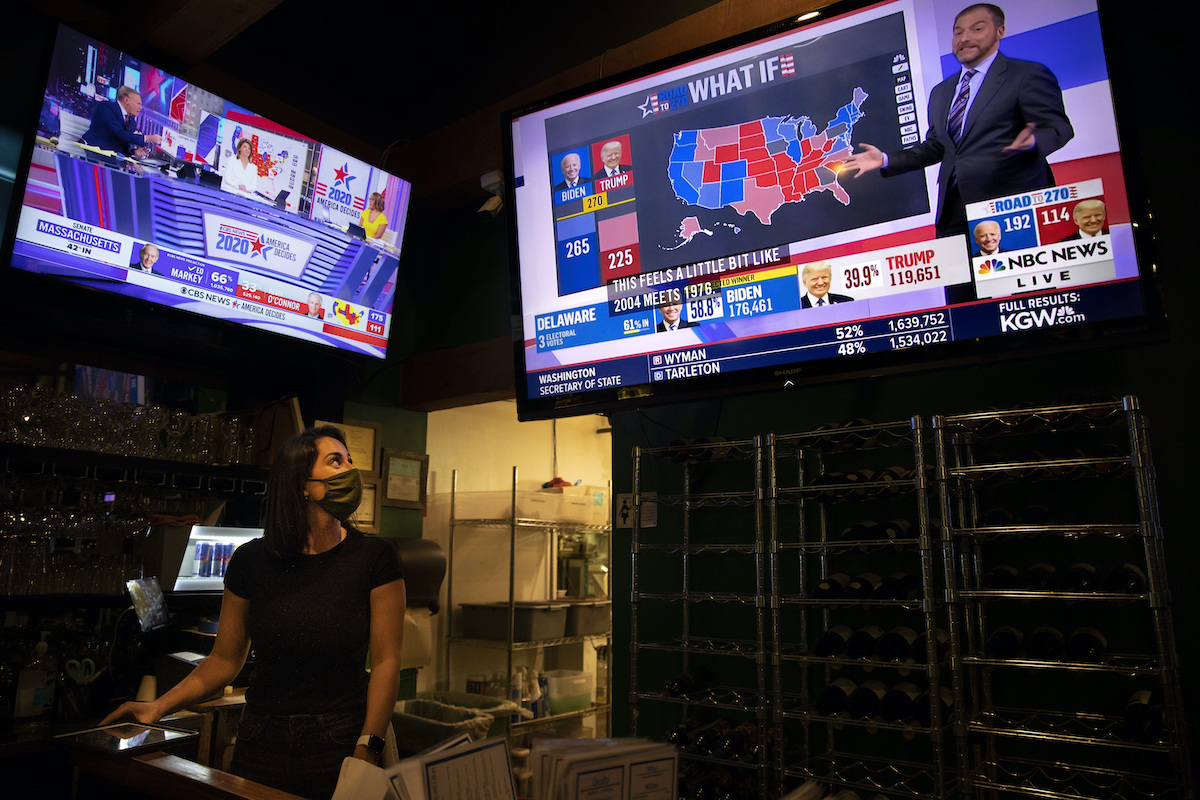
Is the impending Election Day making your eye twitch? Are you getting snappy with your loved ones? Checking polls and news updates like your life depends on it?
Anxiety about elections is reasonable, no matter which side of the political aisle you’re on. The people we elect and the policies they implement can affect many aspects of our daily lives — such as the economy, education, taxes and healthcare, to name a few. In today’s hyper-polarized world, politics can feel all-consuming at times.
But unmitigated election anxiety can harm your health.
Data shows that Election Day and the uncertainty that sometimes follows can be hard on the heart, in particular.
A 2022 study found higher rates of acute cardiovascular disease in the five days following the 2020 presidential election than in the same period two weeks before the election. (Politically savvy readers might remember that the 2020 presidential election was not decided on Election Day or even early the next morning. Most news outlets did not call the race until four days later .)
Studies in 2020 and 2021 showed higher rates of heart problems in the days following the 2016 election. In one, cases of cardiac arrhythmias (irregular heart rate) significantly increased; in the other, cases of acute cardiovascular disease spiked.
These studies show associations, but don’t prove that elections cause health complications.
In surveys, however, people readily attribute stress or anxiety to elections.
In 2024, 69% of U.S. adults reported that the presidential election was a significant source of stress, the American Psychological Association reported . In October as the 2026 midterms approached, 70% of Americans reported stress or anxiety about the elections, according to LifeStance Health online survey data.
Here are some ways to balance staying informed with keeping yourself well.
Effective stress management depends on the person, so reflect on what you know about yourself from past elections.
If constant updates increase your feelings of uncertainty and anxiety when election results remain unclear, plan to minimize those updates, experts said.
“Decide in advance how much news you want to consume and make a plan to prioritize regular meals, movement, sleep and activities you enjoy,” said Dr. Megan Kamath, advanced heart failure and transplant cardiologist at UCLA. “Voting and identifying meaningful civic actions you can take may also help foster a sense of agency.”
Also, expect to wait for results .
“Close races often take days to count,” said Lindsey Rosman, an assistant professor of medicine at Northwestern University. “That’s normal, and knowing it ahead of time makes the uncertainty easier to sit with.”
Our online algorithms are filled with political content, designed to keep us outraged, nervous and coming back for more. Break that cycle.
Turn off nonessential news notifications and check for updates at planned intervals rather than continuously, Kamath advised.
The news will be there when you come back, and, bonus: Some gnawing, unanswered questions may have been resolved by the time you return.
“Put screens away an hour before bed,” Rosman said. “Refreshing all night keeps your stress response switched on and won’t change the outcome.”
Engaging in activities like exercise, spending time with loved ones, or cooking a meal can help people manage stress, said Ashley Huggins, a psychology professor at the University of Arizona.
“A walk beats a third hour of scrolling,” said Chris Chanyasulkit, a public health expert.
Avoid substances like alcohol, nicotine and extra caffeine, experts said.
“Doing guided breathing or progressive muscle relaxation exercises can also be helpful to relieve some physical symptoms of anxiety,” Huggins said. Intentionally activating your parasympathetic nervous system “signals to our bodies that we are in a state of relaxation.”
When people feel more physically relaxed, it can make it easier to manage anxious thoughts, she said.
Go to bed at your usual time, too.
“The results will be the same if you see them the next morning,” Rosman said.
During and after an election is prime time for bad actors — or fellow anxiety-riddled people — to share incorrect or false information. And given your heightened state, you may be ready to believe it.
If a claim is prompting a strong emotional reaction — whether it’s making you really mad, or telling you just what you want to hear — that’s a red flag that it might not be 100% accurate. Be especially wary of claims about “rigged” elections or voting problems on either side of the aisle.
If you hear something that doesn’t sound right, check PolitiFact!
PolitiFact Staff Researcher Caryn Baird contributed to this report.
RELATED: When will we know 2026 midterm election results? It may take some time, but that’s normal.