How to spot an abandoned rabbit's nest in your lawn — and clear it out safely
Latest from Tom's Guide ·
null
After an unusually warm fall, many yards are still showing signs of late-season wildlife activity. Extended mild weather encourages wild rabbits to breed later into the year than usual, meaning shallow nests that typically appear in mid-spring can linger well into the cooler months.
As you head out for late-season garden tidy-ups, raking leaves or giving the grass a final cut can easily unearth a suspicious depression in the turf.
Before running the mower across it or filling it in, a quick check ensures the young have safely vacated the nest and that your lawn can be tidied without disturbing any remaining kits.
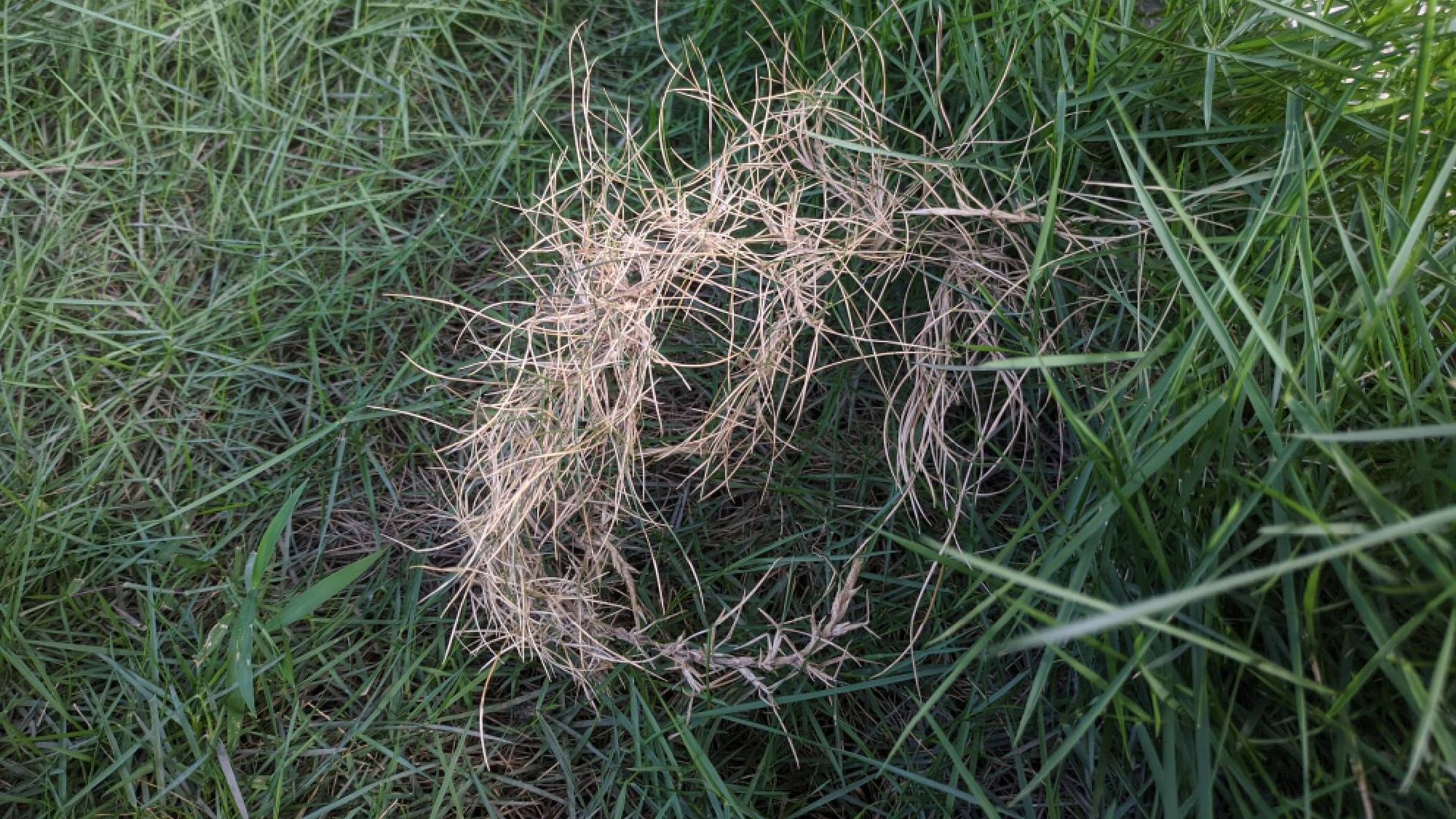
Most people picture rabbits living in deep underground tunnels, but garden rabbits actually raise their babies right on the surface. Instead of digging down, a mother rabbit scrapes out a shallow, bowl-shaped dip in the grass, tucked under a bush, or even sitting out in the open lawn.
To hide the spot from predators, she covers the hollow with a blanket of dried grass, dead leaves, and plucked fur. Because the nest sits completely level with the rest of the lawn, it looks just like an ordinary patch of dead grass until you step closer and notice the woven fur and bedding on top.
Now that temperatures have dropped and we're into the colder stretch of fall, any late-season litters should have already moved on.
If the grass cover has caved in, feels cold to the touch, is blowing apart in the wind, and shows no signs of wriggling underneath , the nest has been abandoned.
If you want to be completely sure before touching it, place two small twigs in an "X" over the top and leave them overnight. If the twigs are still sitting in the exact same spot the next morning, you can safely assume the nest is empty.
Once you know the nest is empty, clearing it away takes just a couple of minutes and stops pests from taking up residence in the leftover bedding. Slip on a pair of garden gloves and lift the clump of fur, leaves, and dried grass out of the dip.
If you are worried about lingering fleas or mites, use a garden trowel to scoop out the top layer of underlying soil along with the bedding. Seal the material in a bag and toss it straight into your garden waste bin .
Finally, level out the dip by filling it with a simple mix of topsoil and sand . Press it down firmly with your foot so it sits flush with the rest of the grass, then scatter a handful of lawn seed over the top so the bare patch fills back in before winter.