Feeling exhausted after the clocks went back? 5 fast ways to reset your circadian rhythm today
Latest from Tom's Guide ·
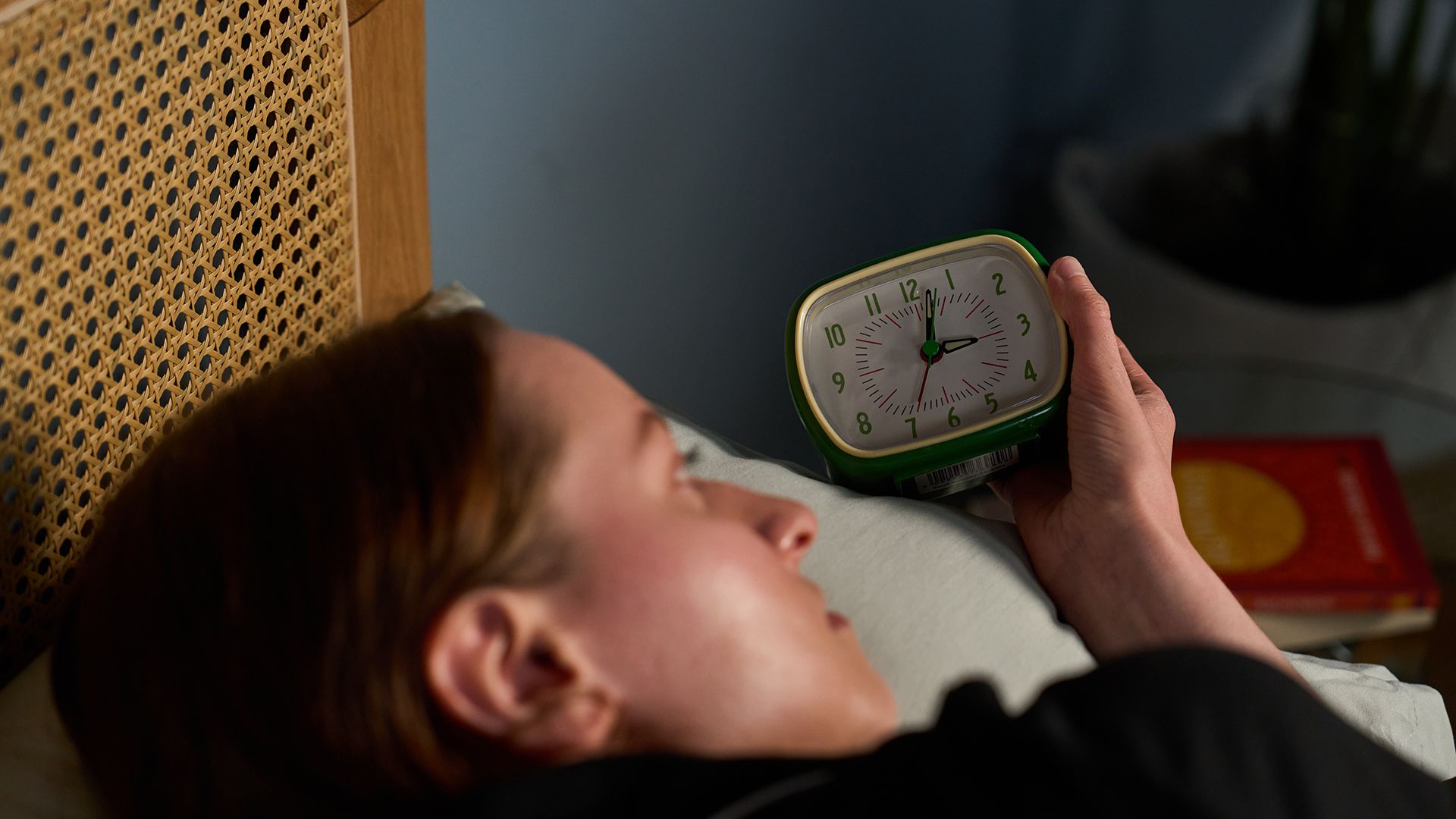
Has the time change this weekend knocked you for six? It's a common feeling, say sleep experts.
The best sunrise alarm clocks can be a game changer in your morning routine at this time of year, helping you wake up with tons of energy
You may have thought that extra hour in bed could help you pay back some of your sleep debt , but unfortunately, it's not that simple. Instead the clock change can throw off your circadian rhythm, making it harder to fall asleep and wake up on time for several days.
"While feeling exhausted after gaining an hour may seem paradoxical, it can happen when the body clock has not yet adjusted, causing some people to wake earlier than intended or experience disrupted sleep," explains board-certified physician Dr. Hanul Bhandari, who specialises in neurology and sleep medicine
Following the transition from British Summer Time (BST) to Greenwich Mean Time (GMT) this weekend, I've caught up with Dr. Bhandari and board-certified physician Dr. Robert Thompson to find out how we can minimise the impact the time change has on our sleep.
In a nutshell, your circadian rhythm is your 24-hour internal body clock that manages hormones in your sleep/wake cycle. That means it controls when your body releases melatonin, making you feel sleepy, and when it releases cortisol that makes you feel alert.
The circadian rhythm is largely influenced by light and temperature cues. Alongside sleep, it plays a key role in regulating mood, energy levels, and metabolism.
Therefore, keeping your body clock aligned by sleeping and eating at roughly the same time each day and night helps keep your mood and energy levels as stable as they can be.
On the surface, an extra hour in bed sounds like a great deal. However, a clock change and shorter days means your circadian rhythm is likely out of sync. Here’s how to get it back on track…
The clocks have just changed, so your body is likely feeling a bit confused. The best way to help it get back on the straight and narrow is by going to bed and waking up at roughly the same time every day – that includes on weekends (sorry, party animals) and after a poor night's sleep (resist the urge to crash before you've eaten dinner).
This anchors your circadian rhythm, meaning your body gets used to waking up on time and falling asleep easily when you get into bed. Essentially, your sleep and wake hormones work in consistent harmony when you stick to a regular sleep schedule .
"Predictable cues help your circadian system adapt with less friction," summarises Dr. Thompson.
"You can’t make up for chronic sleep deficiency in one night, but you can kick-start a change to your routine," says Dr. Bhandari.
If a regular sleep schedule is the goal, you need to establish one that suits your lifestyle and biology.
The 7:1 sleep rule can help you get there. This rule is based on the concept that getting seven hours of sleep per night and going to bed within the same one-hour window are the keys to healthy sleep.
So, if you know you need to be up in time for work at 6am, your strict bedtime should be 11 AM at the latest. If your bedtime is wildly out of whack after the time jump, move it in 15 minute increments, starting tonight. 15 minute shifts are best, says Dr. Bhandri, because while "the clock changes immediately," your "internal clock takes time to adjust."
People are always surprised to hear that the holy grail of great sleep isn't what you do in the evening, but more to do with what you do in the morning to anchor your circadian rhythm.
The clocks going back means that, depending on exactly when you wake up, mornings should be lighter for the majority of us – albeit temporarily. Capitalising on this morning light by drawing back the curtains as soon as you wake up, or heading outside for a morning walk within the first hour of waking, triggers the production of key get-up-and-go hormones, AKA serotonin and cortisol, boosting energy in the morning and improving sleep at night.
A 2024 study examined the effect sunlight exposure has on sleep. Participants were exposed to sunlight at different times of day and for different durations, and the research concludes those who got sunlight in the morning recorded better sleep efficiency – falling asleep fast after getting into bed – as well as fewer nighttime awakenings than those who got sunlight later in the day.
Dr. Bhandari explains, "The effect of morning light is that it advances the clock, while evening and night light delays the clock." This means that even on cloudy days, the morning light kick starts your energy levels, while bright light in the evening can keep you alert when you want to fall asleep.
What does your diet have to do with you sleep? Quite a lot, actually.
What and when you eat directly influences your hormone levels, digestion and body temperature, and therefore your internal body clock.
So, eating balanced meals at regular times – in accordance with the time shift and making sure to leave at least three hours between your last meal and bedtime – will help reset your circadian rhythm. If you don’t adjust your mealtimes to your new time zone, you run the risk of blood sugar fluctuations waking you up at 3AM .
It's also worth noting that it is important to avoid stimulants like caffeine and spicy food too close to bedtime.
While that bright light in the morning is a blessing for your sleep, in the evening it's not so helpful.
Naturally, the evenings will be darker after the time change, so any light you get in the evenings is likely to be artificial. That's the sleep doctor's worst nightmare, as this light keeps your brain active while you should be winding down for bed.
Of course you still need some light in the evenings. It is recommended you use red light lamps ( like this £13.99 lamp at Amazon ) for the best sleep outcomes, as this type of light encourages melatonin production rather than tricking your mind into thinking it is daytime. Dim lights with amber hues are also ideal for creating a cosy atmosphere without a harsh glare.
"Make the bedroom a screen-free zone and switch off gadgets at least an hour before bed," advises Dr. Bhandari. In place of screens, he says you should establish a "calming wind-down routine," perhaps involving some reading , stretching , or meditating .
By now you know a well regulated circadian rhythm can do wonders for your ability to fall asleep fast, sleep soundly through the night, and wake up with energy, but how can you tell if yours needs a little fine tuning?
Keep an eye out for these signs.