Is there a 'right' side of aluminum foil to cook with? Here’s the answer
Latest from Tom's Guide ·
null
Aluminum foil is a kitchen staple, and I'm not sure what I'd do without it. Okay, that is a tad dramatic, but it does come in super handy when I'm wrapping up my leftovers or protecting my pans.
There are even 7 surprising uses for aluminum foil that you might have never heard of that I use from time to time.
Despite having it in my kitchen for years, I've never really questioned why one side is distinctly shiny, while the other is dull. In fact, I've always just assumed that shiny side always goes down – and I'm not even sure why. But that doesn't make me right... or does it?
Whether you're a shiny-side-up or shiny-side-down kind of person, I'm going to settle the debate of which is actually right once and for all.
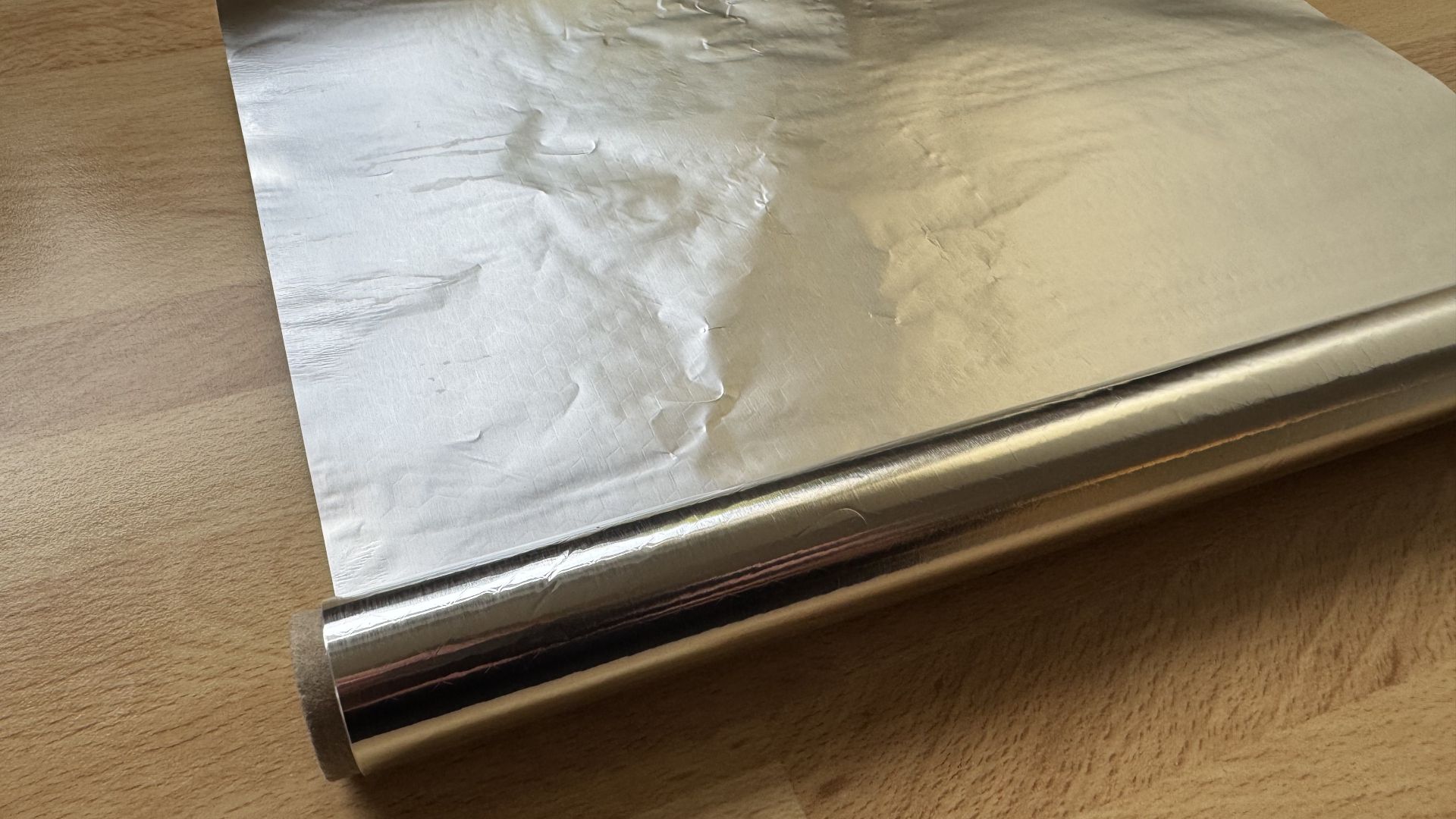
Before we get into resolving the debate though, I think it's important to explain exactly why aluminum has two different sides – and it's actually weirdly simple. To turn aluminum foil into the thin sheets we end up buying from the shops, large rollers pass two layers through at the same time to create that ultra-thin form.
This doubling effect means that the side that meets with the roller ends up with a shiny finish and the other side that presses against another layer ends up being dull. And that's it.
You want your aluminum foil to provide a barrier, help your food retain moisture when cooking, ensure the heat is distributed evenly by reflecting and conducting it and to just help with the overall clean-up when the food is ready to serve. But, does having a dull and shiny side actually make any difference when it's used in the kitchen?
Everyday Strength Aluminum Foil Roll: $15.79 Can you ever really have enough aluminum foil? For jut over $15, you can grab 200 sq ft that's both freezer safe and grill safe, perfect for easy prep, cooking and clean-up. Cover up your leftovers or wrap up your sandwiches, foil is incredibly versatile and malleable, making it a staple of kitchens everywhere. View Deal
Whether you're creating a tent for large roasting meats, a packet to trap moisture and flavors, covering pots and pans or simply wrapping up a sandwich, I'm here to tell you it actually makes no difference if you use the shiny side or the dull side. It's just cosmetic.
In fact, some brands even state on the packaging that the aluminum foil will perform exactly the same, no matter which way you use it. And while there's a debate about the shiny side being more capable of heat reflection, it's a difference so small that it's not worth talking about.
While I have this innate urge to keep the dull side hidden, it's purely an aesthetic choice – and that's where it pretty much ends. There is one exception to the rule though and that's if you've purchased an aluminum foil that specifically states that it's 'non-stick'.
For this, a coating is often applied to the dull side of the foil meaning you want to the treated side to be touching your food to reduce the chance of burning or tearing (check your specific product for details on which side that is though).
But ultimately, having both a shiny side and a dull side is merely a product of the manufacturing process. Whether you use one or the other is entirely up to you. But, if you want to keep debating it with friends and family, watch out that they haven't already read this.