Keep waking up at 3 a.m.? This is what sleep doctors want you to know
Latest from Tom's Guide ·
null
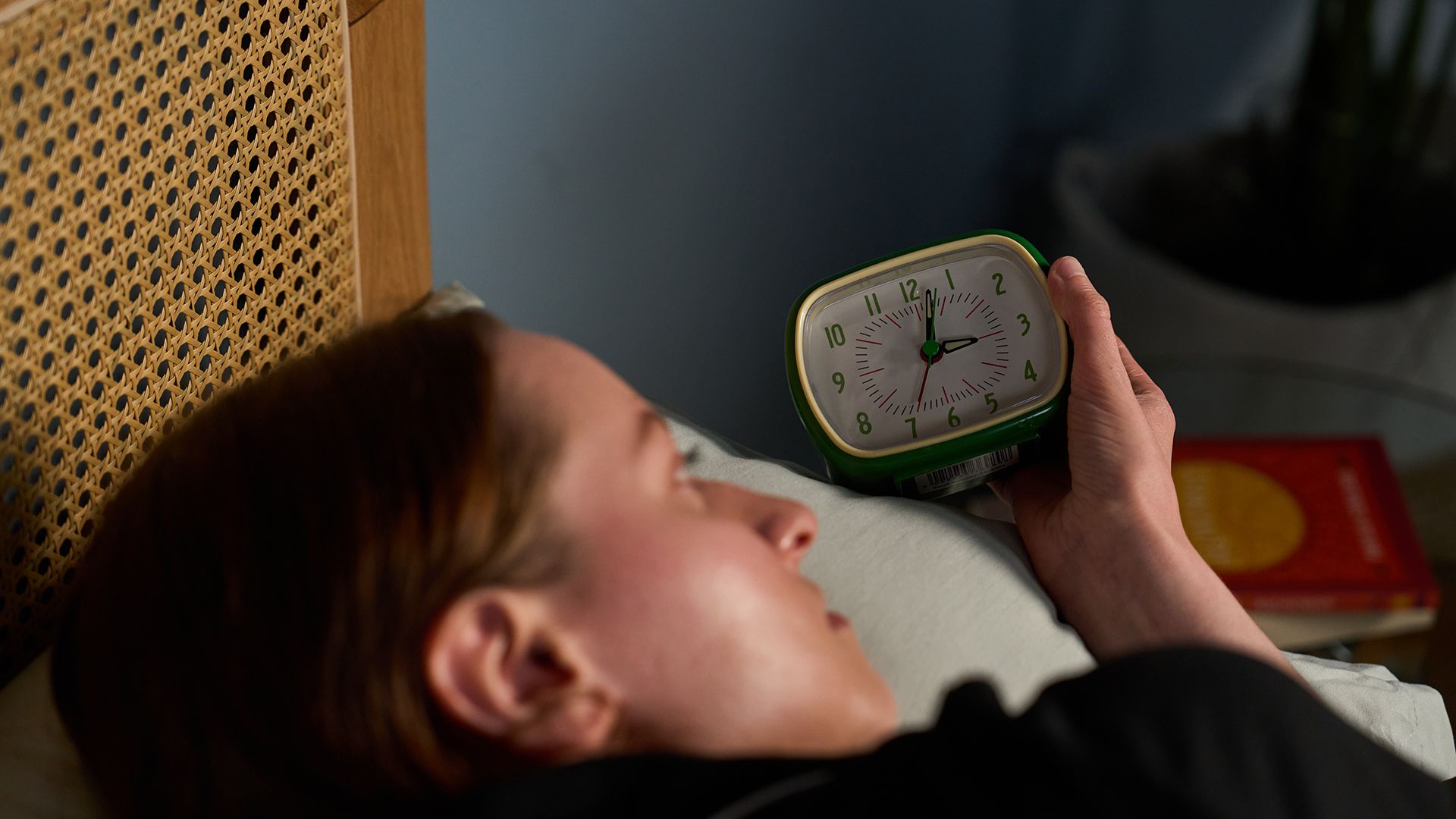
As someone who goes through periods of experiencing them frequently, I know how frustrating it is to keep waking up at 3 a.m. and not know why. It feels as though while everyone else is sound asleep, you’re staring at the clock or the ceiling, wondering how you’re going to get through another day in a fog of exhaustion. “Waking up during the night is normal,” reassures Dr. Chris Winter , a double boarded sleep specialist. “We cycle through lighter and deeper sleep roughly every 90 minutes, and brief awakenings between cycles are part of healthy sleep. It only becomes a problem when you’re suddenly alert and can’t drift back off.”
If repeatedly waking up at 3 a.m. and not being able to fall back asleep is stopping you from getting the rest you need, these are the common causes.
Brief nighttime awakenings are normal. However, they become a problem when they impact the overall quality of your sleep. These are their common underlying causes:
Cortisol, the 'stress' hormone, begins rising around 3 a.m. Our bodies produce cortisol to help us feel alert upon waking — this is called our Cortisol Awakening Response (CAR). However, if your baseline level of cortisol is already high, due to stress or anxiety, this natural climb can be enough to wake you up. "Cortisol starts its natural morning climb, and stress can push that rise earlier," explains Dr. Winter, a board certified neurologist with over 30 years of clinical experience.
Your 3 a.m. wake-ups could be caused by an underlying sleep issue, such as insomnia. This is characterized by difficulty falling and staying asleep, as well as waking up at night. "Other common culprits include needing to urinate , acid reflux, and sleep apnea ," says Dr. Winter. "If you’re snoring loudly, waking up gasping, or feeling unrefreshed no matter how long you sleep, talk to your doctor."
Studies suggest that the best temperature for sleep is between 65 to 70° F (18 to 21 °C). When our sleep environment deviates outside of this window, it can cause us to wake up. "Temperature is a big one," explains Dr. Winter. "Your core body temperature needs to drop to keep you asleep, so a warm bedroom, heavy bedding, or hormonal changes like menopause can pull you out of sleep early."
You might not have connected the dots between your lifestyle habits and waking up at night, but late heavy meals, alcohol and caffeine consumption can wreak havoc on your ability to stay asleep. "Alcohol plays a role too; as your body metabolizes it, sleep becomes fragmented," explains Dr. Winter, who is a member of Natrol Scientific Advisory Board.
Clutter, an uncomfortable mattress and ambient light from your electrical cables can all cause sleep disturbances that lead to 3 a.m. wake ups. To give yourself a fighting chance of staying asleep all night, ensure your bedroom is cool, calm and comfortable (if you're looking for a new one, check out our guide to the best mattress ).
Some causes of 3 a.m. wake ups require medical intervention, such as sleep apnea. However, there is also plenty of lifestyle tweaks we can make to lower our chances of waking up at night.
Overwhelming evidence supports the idea that a regular sleep schedule can help you fall asleep faster and stay asleep longer. If you're someone who has a fairly erratic bedtime and going to sleep at the same time initially feels like a struggle, Dr. Winter recommends that you initially focus on the time you wake up. "Start with a consistent wake time, weekends included," says Dr. Winter. "It anchors your circadian rhythm and makes your sleep deeper and more stable."
From the moment we wake up, something called our sleep pressure builds. It's also referred to as our homeostatic sleep drive or sleep hunger, and describes how ready we are for sleep. It reaches its pinnacle as we fall asleep, which is when our sleep pressure drops again. Our sleep pressure is dictated by a neurotransmitter called adenosine. There are certain things we can do in order to produce more adenosine so that our sleep pressure is higher, making falling and staying asleep easier. This includes daily exercise and mental stimulation. As our sleep pressure builds the longer we stay awake, waking up early and skipping any afternoon naps ensures you're going into bedtime with a healthy amount of sleep pressure.
If, like me, stress is a barrier to a decent night's sleep, it's time to tackle it head on. The cause of your stress or anxiety could be related to hormone fluctuations caused by perimenopause or menopause, which could benefit from seeing a doctor.
However, for day to stress, Dr. Winter recommends spending some time before bed offloading your thoughts onto a piece of paper. "If stress is a factor, spend 15 minutes in the early evening writing down what’s on your mind," says the sleep doctor. "It’s easier to let go of something at 3 a.m. if it’s already on paper." For me personally, I have found that a combination of short bursts of daily exercise and a regular wind down routine helps stop stress from waking me up at night. I've also tried vagus nerve stimulation , which I do recommend if daily stress is stopping you from sleeping.
In the event that you do wake up at 3 a.m., don't panic. Here's how to fall back to sleep fast.