‘I didn’t want to write about this’: the man who first saw chimps waging civil war
The Guardian ·
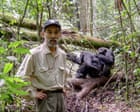
John Mitani spent years studying a huge community of chimpanzees in Uganda. But then things took a dark turn – and his findings stunned the scientific world John Mitani can still remember the first time he set foot in Uganda’s Kibale national park. The old-growth east African rainforest enveloped him, its canopy stretching to heights of 40 metres. Fruit trees bowed under the weight of African star apples and bountiful Ficus mucuso figs. And then there were the chimpanzees. Furry black blobs darted through the jungle, their raucous calls often deafening. It was the summer of 1995, and Mitani, a primatologist from northern California, had just come from working with the chimps living in the Mahale mountains of Tanzania. At the time, Mahale was home to the largest known population of chimps, with about 100 individuals. But there were rumours that this section of Kibale – only accessible via a 12-hour drive from the capital, Kampala – might host an even more unusual abundance of apes. Continue reading...
John Mitani spent years studying a huge community of chimpanzees in Uganda. But then things took a dark turn – and his findings stunned the scientific world John Mitani can still remember the first time he set foot in Uganda’s Kibale national park. The old-growth east African rainforest enveloped him, its canopy stretching to heights of 40 metres. Fruit trees bowed under the weight of African star apples and bountiful Ficus mucuso figs. And then there were the chimpanzees. Furry black blobs darted through the jungle, their raucous calls often deafening. It was the summer of 1995, and Mitani, a primatologist from northern California, had just come from working with the chimps living in the Mahale mountains of Tanzania. At the time, Mahale was home to the largest known population of chimps, with about 100 individuals. But there were rumours that this section of Kibale – only accessible via a 12-hour drive from the capital, Kampala – might host an even more unusual abundance of apes. Continue reading...