Psychedelic nasal spray treats depression with toad-inspired goo
Popular Science ·
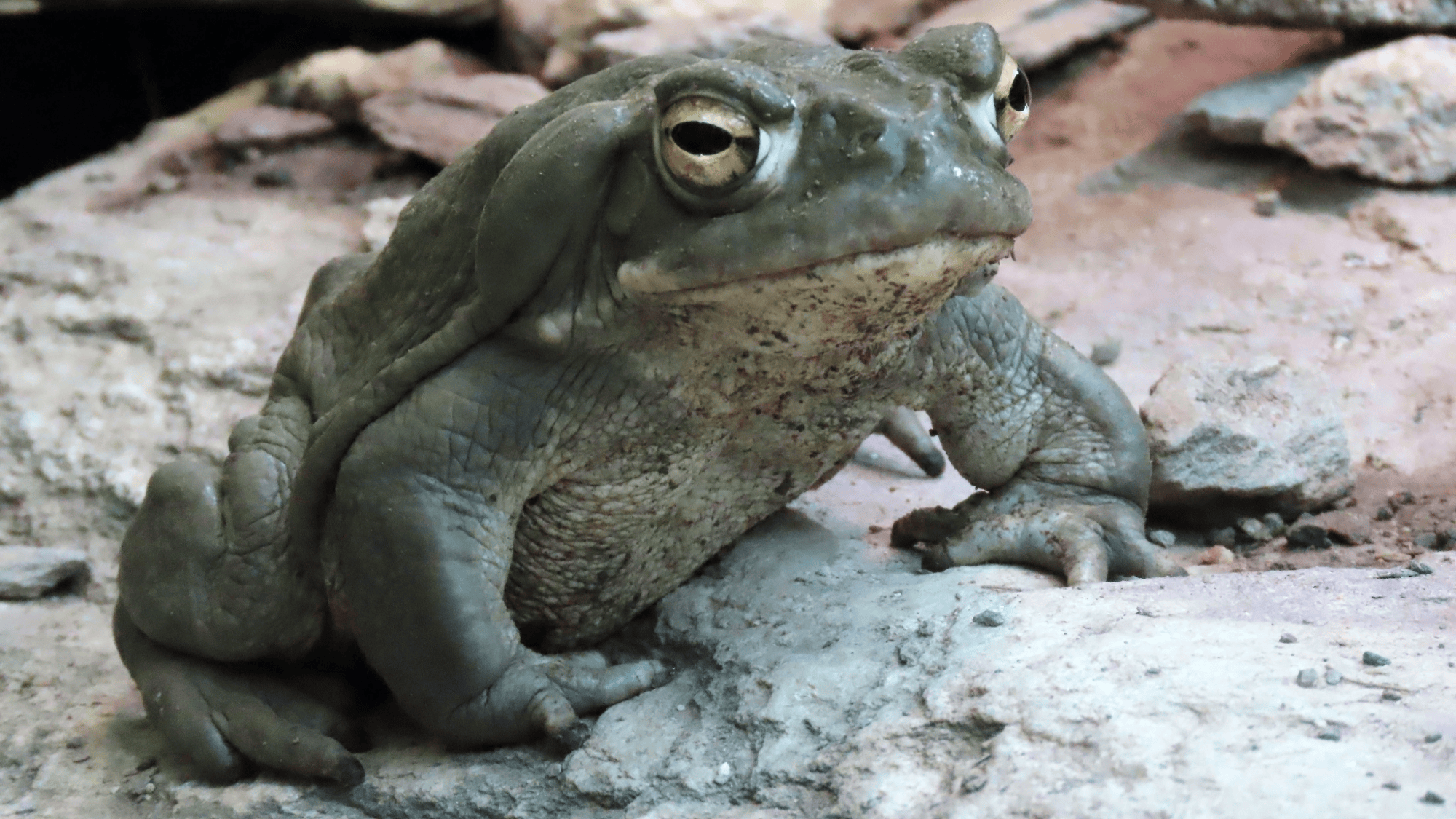
Scientists re-created a Sonoran desert toad's trip-inducing secretions in a lab. The post Psychedelic nasal spray treats depression with toad-inspired goo appeared first on Popular Science .
A powerful psychedelic compound best associated with the Sonoran desert toad ( Incilius alvarius ) has been recreated in a lab and transformed into a fast-acting nasal spray. A recent clinical trial outlined this week in the Journal of the American Medical Association ( JAMA ) suggests this spray could help people with treatment resistant depression, without the often less pleasant element of psychedelics. In the study, a single squeeze of the spray eased patients’ depressive symptoms with benefits lasting throughout the eight week trial.
Crucially, those long-term benefits (which have also been observed in other psychedelic research ) didn’t require enduring an all-day mystical trip. Most patients were cleared for release less than two hours after taking the spray. Thankfully, the approach also eliminates the need to fondle a toxic amphibian. That’s potentially a plus both for patients and overharvested toad populations . The finds come amid a resurgence in new research and investment involving psychedelics, supported in part by evolving political attitudes towards the compounds on federal and state levels.
The nasal spray was developed by biotech firm AtaiBeckley. Its active ingredient is called mebufotenin, which is also known as 5-MeO-DMT . The compound occurs naturally in several places, but it is most famously associated with the secretions of the Sonoran desert toad . For decades, amateur psychonauts have sought out these meaty North American toads for the prominent glands located on the amphibian’s head and hind legs. Squeezing those glands releases a milky secretion (sometimes inaccuracy referred to as venom), which when dried and then vaporized, produces an intense psychedelic experience. Many people who have smoked it describe a profound sense of oneness or ego dissolution, and some even report the sensation of dying.
Though based on the same compound, the drug in the nasal spray is synthetic and made in a lab. The researchers wanted to see if a controlled, clinical dose of 5-MeO-DMT could deliver some of the compound’s reported therapeutic benefits while keeping the overall treatment brief, especially compared with longer-acting psychedelics like psilocybin. They limited their study to 193 adults between the ages of 18 to 75 with treatment-resistant depression. The participants, who came from the United States, Europe, and Australia, had each already tried at least two antidepressant treatments without success. By some estimates , around a third of all patients experiencing major depressive disorder also have treatment resistant depression.
Each participant received nasal spray in either a low (.3mg), medium (8mg), or high (12mg) dose. Neither the patient, nor the clinical staff or researchers involved knew which dose was given. The most intense psychedelic effects wore off relatively quickly, regardless of the dose. Clinicians checked on the patients at regular intervals to determine if they were deemed safe enough to leave the clinic. Among participants who received the 8-milligram dose, 85 percent were ready for discharge within two hours, compared with 78 percent of those who received the 12-milligram dose.
However, the therapeutic effects of the spray appeared to persist far longer. Patients who received the medium or high dose showed significantly greater improvement than the comparison group as early as two days after treatment, and that advantage held through the end of the eight-week study. The team measured depression with a clinical scale measuring from 0 to 60, with higher scores indicating more severe symptoms. After four weeks, the 12 mg group had dropped an average of 11.1 points on that score. The 8mg group dropped an even higher 12.5 points while the .3mg group dropped 5.5 points. These findings suggest the nasal spray application could provide some of the same therapeutic effects of other scheduled therapies less less need to have healthcare workers monitoring patients for many hours at a time.
“In adults with treatment-resistant depression, single doses of intranasal mebufotenin benzoate were well tolerated and produced rapid, robust, and durable reductions in depressive symptoms,” the study authors write . “Intranasal mebufotenin benzoate may improve treatment access and convenience, requiring a shorter monitoring period and fewer clinic visits compared with psilocybin and esketamine, respectively.”
This experimental nasal spray arrives amid a transitionary period for psychedelic research. State governments have shown more interest in the field in recent years, with Oregon and Colorado each launching their own psilocybin programs. Even Texas, a state traditionally associated with a tough on drugs approach, just committed $50 million to research the powerful psychedelic ibogaine. Signs of movement are occurring at the federal level as well. In April, President Donald Trump signed an executive order aimed at accelerating research and FDA approval of psychedelic-based therapies.
Though it attracted significant attention, the executive order is really more signaling than action . It notably does not lower the bar a therapeutic needs to reach before archived FDA approval.
Still, pharmaceutical companies are clearly taking note. Earlier this year, Eli Lilly, the largest pharmaceutical company in the world, acquired AtariBeckley for $2.8 billion . AtaiBeckley developed the nasal spray used in the recent JAMA study.
The post Psychedelic nasal spray treats depression with toad-inspired goo appeared first on Popular Science .