No, not Pilates — when my lower back aches from sitting all day, this is the 10-minute floor routine I use for relief
Latest from Tom's Guide ·
Sam Hopes is a level 3 qualified trainer, a level 2 Reiki practitioner and a fitness editor at Tom's Guide. She is also currently undertaking her Yoga For Athletes training course. Sam has written for various fitness brands and websites over the years and has experience across brands at Future, such as Live Science , Fit&Well , Coach , and T3. Having worked with fitness studios like F45 and Virgin Active and trained both group and 1:1, Sam now primarily teaches outdoor bootcamps, bodyweight, and kettlebells. She also coaches mobility and flexibility classes several times a week and believes that true strength comes from a holistic approach to training your body. Sam has completed two mixed doubles Hyrox competitions in London and the Netherlands and finished her first doubles attempt in 1:11. In her spare time, she enjoys CrossFit, hot yoga, Pilates and running and can be found perfecting her handstand walks and handstand push-ups in the gym whenever she has the chance to be upside down. At work, she can be found testing the latest in fitness technology and wearables, anything yoga and CrossFit-related and has a keen interest in nutrition, mindfulness, sleep and recovery.
Despite my part-time job as a personal trainer, my full-time work as a fitness editor means I spend quite a lot of time sitting during the day. Sure, I like to get up and move around often, work out, and my dog gets plenty of long walks, but that doesn't always counteract the effects of prolonged sitting .
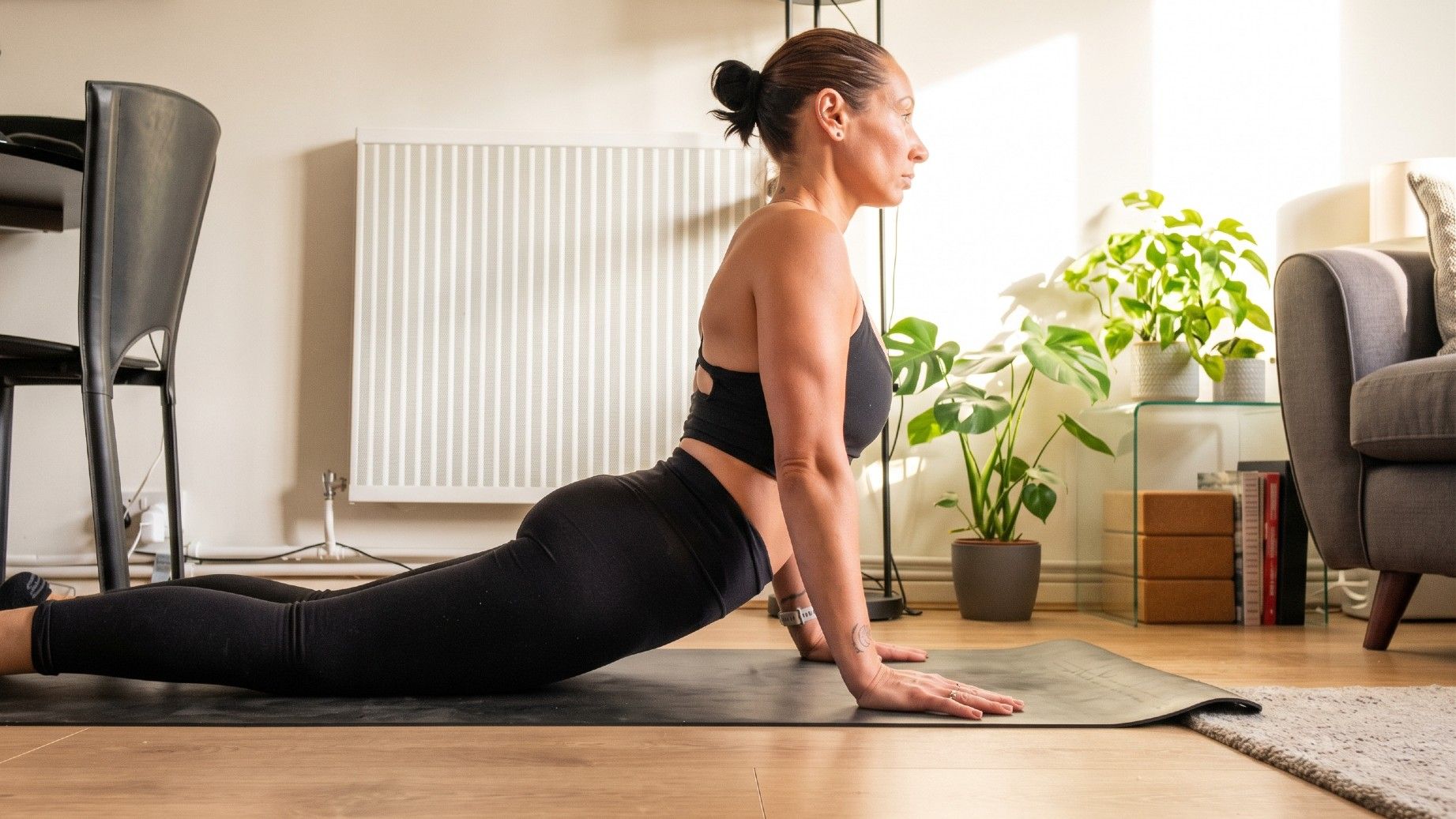
When I've spent arguably too long at my desk, I have one of the best yoga mats rolled out and on standby; when I get a spare few minutes, I'll work through a short mobility routine or gentle stretching, just to get things moving. It offers gentle muscle tension relief and allows me to move my joints and free up some space in my body.
It only takes 10 minutes, and I share the routine below, plus some benefits you can expect with regular practice. And remember, how well you move determines how well you live in the future.
You can microdose these routines into your week; they're an anti-aging tool for healthier joints and more active muscles.
If you experience pain at any time, stop and rest. If you're working with an injury or health condition, I recommend seeking advice before starting these exercises.
Not only is a daily 10-minute yoga flow easy to build into a habit, but it also delivers both physiological and psychological benefits. Physically, it's perfect for moving your muscles and joints through range of motion, which can ease stiffness, release tension and open stiff joints. This is ideal to counter the slouching you probably do without noticing as you sit behind your phone or laptop.
Connecting with your breath allows you to breathe more deeply and rhythmically, activating the diaphragm and down-regulating your nervous system, which allows your body to enter rest-and-repair mode.
Short practices also improve sustainable consistency. By removing the barrier to exercise (equipment, time), you can improve mobility, strengthen your body and increase mental clarity after you step off the mat.
Dynamic movement and stretching also stimulate blood flow and circulation, delivering oxygen and nutrients around your body.
In just 10 minutes, this routine moves your spine through gentle extension and flexion, opening your chest and shoulders, releasing back tension and neck tightness that could impact posture.
Dynamic movement and stretching also stimulate blood flow and circulation, delivering oxygen and nutrients around your body.
You don't see results unless you stay consistent, so daily short-form stretching can help keep muscles and fascia more pliable and joints lubricated, meaning better mobility, flexibility and range of motion.
And finally, by regulating your nervous system, your heart rate and cortisol levels can lower, helping your body relax. If you tend to work from home often, a brief 10-minute sequence buffer between work and your personal life, which should help you find better balance.
Joints, ligaments and fascia respond well to low-impact movement, so a routine like this can serve you well if you're just starting. And remember, you might not notice progress straight away, but over time, you'll see huge benefits. Give it a try, and let us know how you get on in the comments.
Follow Tom's Guide fitness on Instagram for more workouts, routines, tips, and tricks.