How can I tell if my lawn is compacted? Here’s what the garden experts say (and how to fix it)
Latest from Tom's Guide ·
null
Fall weather may be upon us, but that doesn’t mean our lawncare duties should go into hibernation just yet. In fact, now is the time to tend to our lawns and ensure they’re in good shape come spring.
And if you’ve noticed that your once lush lawn is looking patchy, soggy, or generally in bad condition, it could point to compacted soil. Essentially, this is when pressure or certain weight squeezes soil particles together. This thick layer blocks any water, essential nutrients, or air from getting into the roots — affecting healthy growth.
But how do you know? And more importantly, what can you do to repair it? To help solve this dilemma, I asked the garden experts to share the key signs of compacted soil, how to test for it, and the best ways to fix it this fall.
Puddles or standing water on your lawn clearly indicate compacted soil underneath. This is because tightly packed ground prevents proper drainage, which can lead to waterlogging, patchy spots, and root disease.
“One of the clearest signs is water sitting on the surface after rain,” states Chris Bonnett, the founder of GardeningExpress .
“If puddles take a long time to drain, it could indicate that compacted soil is preventing water from soaking into the ground properly.
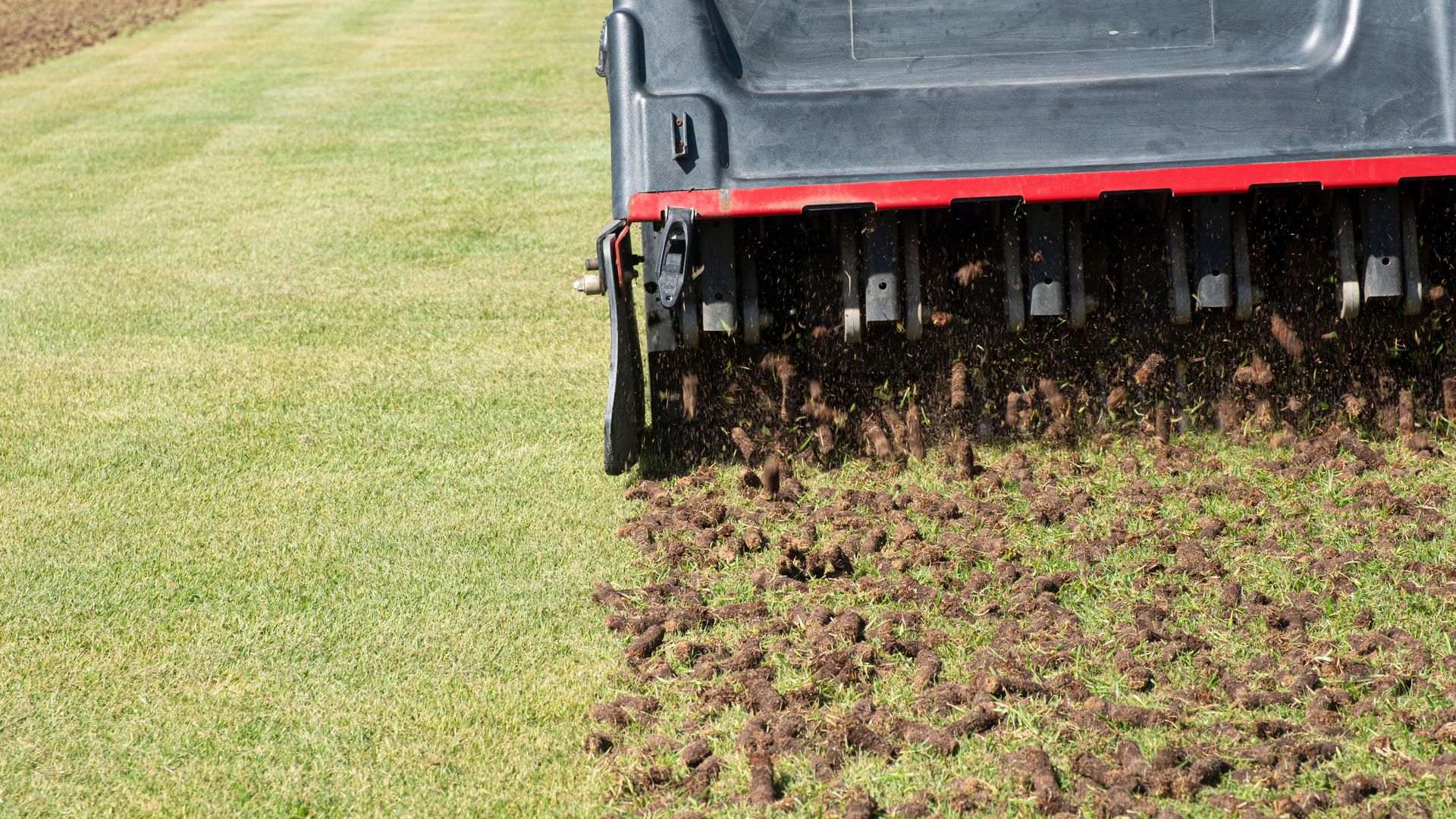
The first step to fix this is to aerate the soil (making holes) to allow it to breathe. Typically, there are two types of aerators – spike and core aerators.
Spike aerators literally have long spikes that puncture the ground as you pass over it, while core aerators pull up ‘cores’ of soil as they work, leaving them on the surface.
“If the lawn is badly compacted, a hollow-tine aerator, which removes small plugs of soil and removes the pressure from the soil, may be more effective,” advises Alex Dobson, garden and outdoor space expert at Charles & Ivy .
“For smaller gardens, use a garden fork to make holes across the affected areas, gently rocking it backwards and forwards to open up the soil.”
Just avoid aerating when the ground is very wet or frozen, as this could make waterlogging worse. If in doubt, check out these expert tips on aerating a wet lawn .
As well as the ground feeling squishy to walk on, you might also encounter a hardened surface. This is especially during the colder fall months.
“You may also notice that the ground feels unusually hard, grass growth has become thin, or moss and algae are appearing in persistently damp areas,” adds Bonnett.
So how do I check for this? Luckily, there is a simple way to check for compaction before you aerate. “A simple way to check is to push a screwdriver or garden fork into the soil when it is slightly moist. If it is difficult to penetrate the ground, particularly in areas where people regularly walk, compaction could be the issue.”
“Fall is a good time to do this, as long as the ground isn’t waterlogged. You can also overseed bare patches to encourage fresh growth. Try to avoid walking on the lawn when it’s wet too, as this can make compaction worse.”
Another clear warning sign is when your once-lush lawn starts to turn sparse and patchy. When soil becomes heavily compacted, grass roots are starved of essential air and water, making it nearly impossible for your lawn to thrive.
One way to fix this is to overseed your lawn. But before sprinkling more grass seed or lawn feed, you’ll need to check and deal with compacted soil first.
“For lawns with bare patches, overseeding can help the grass fill in once the soil has been improved and conditions are suitable for new growth,” advises Dobson. “If water continues to collect in the same spots, you may also need to look at the garden's drainage rather than relying on aeration alone”.
“Once you've aerated the lawn, try to avoid repeatedly walking over the same areas, particularly when the ground is wet. You can also add stepping stones to the lawn to help prevent the soil from becoming compacted again.”
So if you’ve spotted any of these warning signs on your lawn, the key thing is to loosen the soil and reduce pressure on the grass. Once these issues are fixed immediately, you’ll have lush and healthy grass all year round.
For more top tips, check out how often you should aerate your lawn and how many passes are best .