JOining Demonstrations IN Space
NASA Science ·
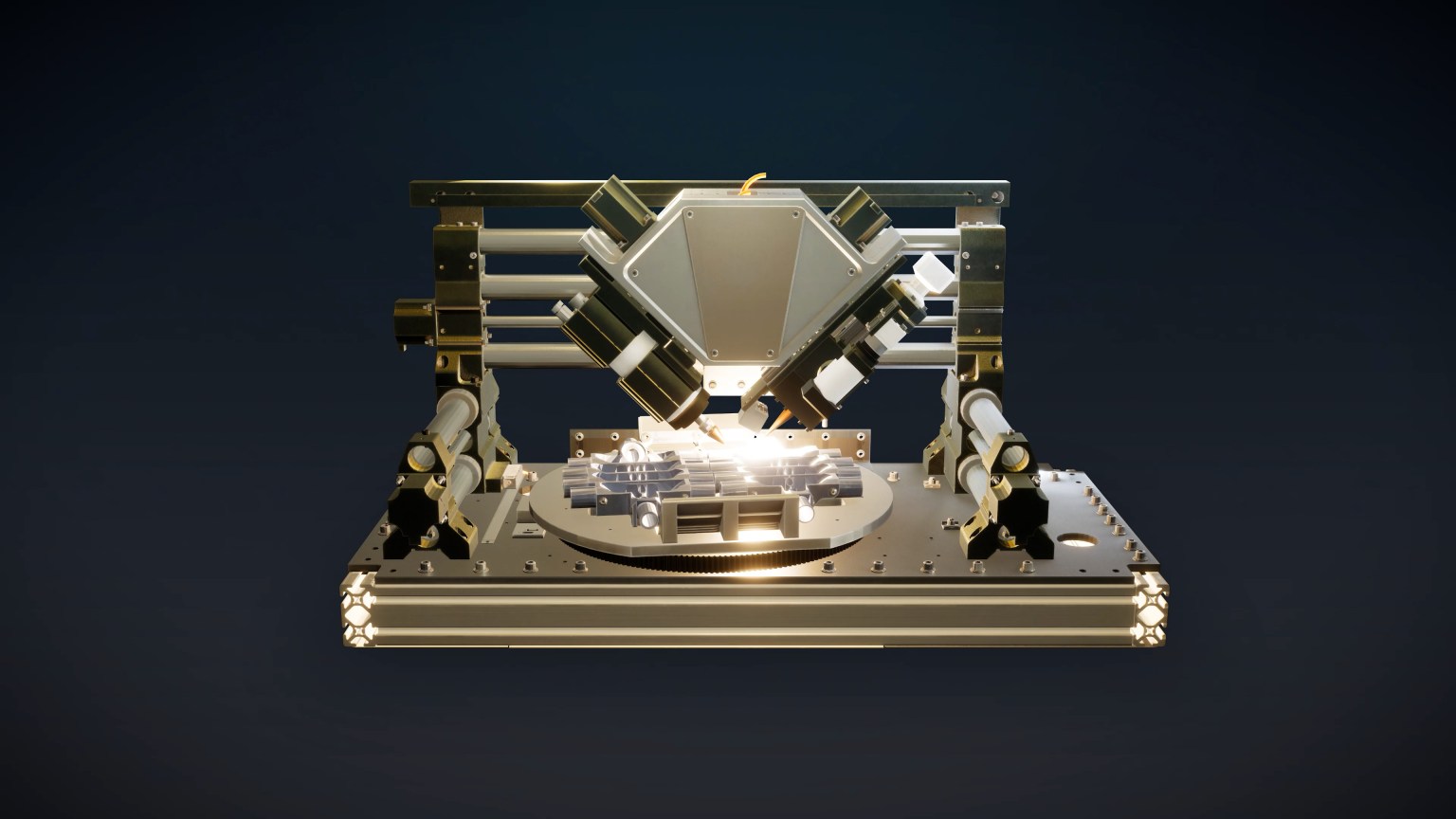
Why is joining materials in space different than on Earth? While joining technologies can be developed and tested on Earth, space introduces unique environmental conditions that may affect their performance. Vacuum, microgravity, and extreme temperature fluctuations can affect heat transfer, material behavior, robotic operations, and welding processes. Testing these technologies in space helps demonstrate their […] The post JOining Demonstrations IN Space appeared first on NASA Science .
Home Technology JOining Demonstrations IN… Mission and Impact Explore Technology Technology Transfer and Spinoffs Space Travel Living in Space Lunar Surface Technology Manufacturing and Materials Robotics Science Instruments Computing Space Communications News Gallery JOining Demonstrations IN-Space
JOining Demonstrations IN-Space (JOINS) will mature technologies that allow robotic systems to weld materials and assemble large structures directly in space.
next flight Northrop Grumman CRS-25
Research and Technology Mission Directorate (RTMD)
Lockheed Martin
Tipping Point
While joining technologies can be developed and tested on Earth, space introduces unique environmental conditions that may affect their performance. Vacuum, microgravity, and extreme temperature fluctuations can affect heat transfer, material behavior, robotic operations, and welding processes. Testing these technologies in space helps demonstrate their feasibility, mature their readiness for operational use, and build confidence for future mission applications.
In-space joining enables large structures to be assembled and integrated after launch, rather than being constrained by the size and volume of a launch vehicle. This capability is essential for building and repairing future space infrastructure such as large antennas, solar arrays, radiators, sunshades, and optical systems that will support future exploration of the Moon and Mars.
As NASA and its industry partners advance technologies for lunar and deep-space exploration, in-space joining could eventually assemble infrastructure using materials derived from resources available on the Moon, Mars, asteroids, and other planetary bodies. By combining in-situ resource utilization, in-space manufacturing, and joining technologies, future missions could reduce reliance on launching equipment and materials from Earth.
In-space joining enables large structures to be packaged efficiently for launch and assembled once in space. This capability makes it possible to build structures that would be too large, complex, or costly to fit within a single launch vehicle.
The JOINS demonstration will perform welding on two different materials:
Using two distinct approaches:
Onboard cameras will monitor the demonstration and send data back down to Earth. Months later, the physical test articles will return to Earth for in-person inspections and further study.
To view this video please enable JavaScript, and consider upgrading to a web browser that supports HTML5 video
OBJECTIVE Demonstrate robotic welding in exposed space.
Northrop Grumman CRS-25
Cygnus XL
International Space Station
November 2026
March 2027
Social Media @NASA_Technology
@NASATechnology
NASA Space Tech Channel
Keep Exploring Explore Technology Areas Space Travel Technology
Space Technology Mission Directorate
NASA’s Lunar Surface Innovation Initiative
Artemis
The post JOining Demonstrations IN Space appeared first on NASA Science .