Ebola vaccine trials launches amid security concerns
Semafor ·
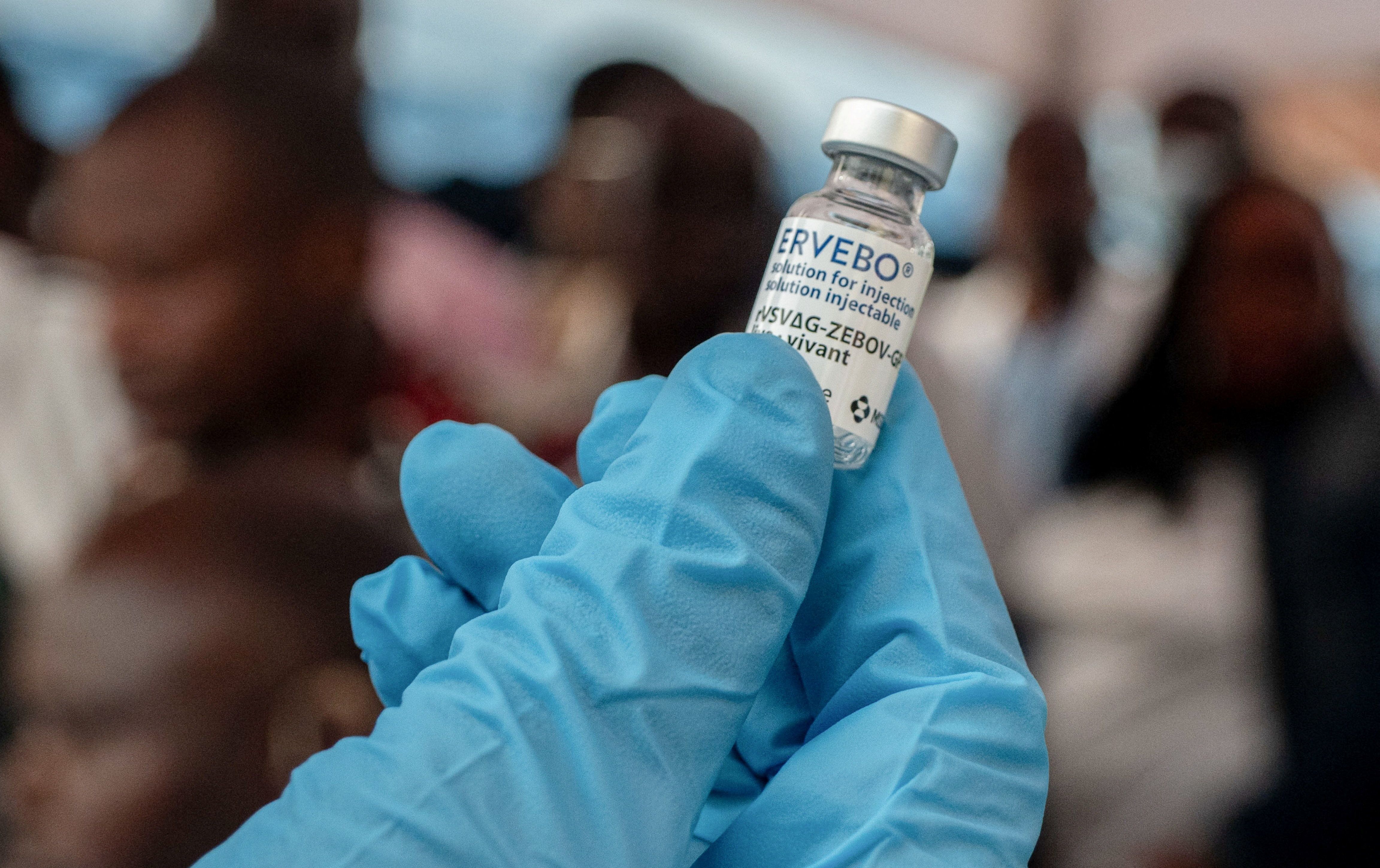
Insecurity in eastern DR Congo is likely to make the trial process challenging, warn health experts.
Large-scale trials of three vaccines against the deadly Bundibugyo Ebola strain in the epicenter of DR Congo’s outbreak could yield a breakthrough early next year if security challenges can be overcome, the head of a global vaccine body told Semafor.
The Bundibugyo strain, for which there is no proven vaccine, has killed more than 5,500 people since May’s declaration of an outbreak — now the second-largest ever recorded. Most of the cases, amounting to more than 11,000, have been concentrated in the conflict-hit east of the country.
The Tumaini trial — a study to test vaccine candidates — will see jabs tested on at least 1,000 people to check their safety and efficacy. A trial of Ervebo, a vaccine developed by Merck that has been approved for use against the more common Zaire strain of Ebola, began on Oct. 23. The two other vaccines, which were designed to target the Bundibugyo strain and will join the trial in the next few days, are a jab developed by Oxford University scientists and another by Moderna that harnesses technology used to create vaccines for COVID-19.
“In a best case, we could look towards early next year for a result,” said Richard Hatchett, CEO of the Coalition for Epidemic Preparedness Innovations. He added that even if data suggested a vaccination was effective and safe, Congolese and global health regulators would still take time to conduct a review before issuing a formal decision about authorizing it for emergency use. “There is the potential, if the regulators approve, for expanded access to the vaccine while that review is going on,” he said.
Emanuele Capobianco, director of global health security at GAVI, a global vaccine alliance, in a separate interview, said if trials were successful, vaccines could potentially be deployed in the first half of 2027.
The Ervebo trial kicked off in Ituri, the worst-affected province, but the CEPI chief said the testing area could be widened to include other provinces, including the eastern region of North Kivu.
The Congolese army has for decades fought various rebel groups including M23, which DR Congo’s government has accused neighboring Rwanda of supporting — claims denied by Kigali. The conflict has hampered efforts to bring the outbreak under control, with thousands of people forced to flee their homes. Health workers and surveillance teams have also come under attack in communities that distrust outsiders.
Both Hatchett and Capobianco warned that insecurity in the east of the country was a major obstacle to trialing vaccines.
“There’s lots of conflict, there’s lots of misinformation,” said Hatchett. “The biggest variable is how quickly can we enrol the necessary number of subjects, and that is a dynamic process,” he said.
Similarly, Capobianco — who called eastern DR Congo a “complex environment in which to operate” — said the involvement of healthcare workers, religious leaders, and community authorities would be crucial in moving forward with trials.
“While the response has slowed transmission in the initial epicentres, 400 to 500 new cases continue to be reported each week,” the World Health Organization said in an update this week. It said delays in paying frontline health workers and responders also created tension and slowed the response to the outbreak.