The best pizza ovens
Popular Science ·
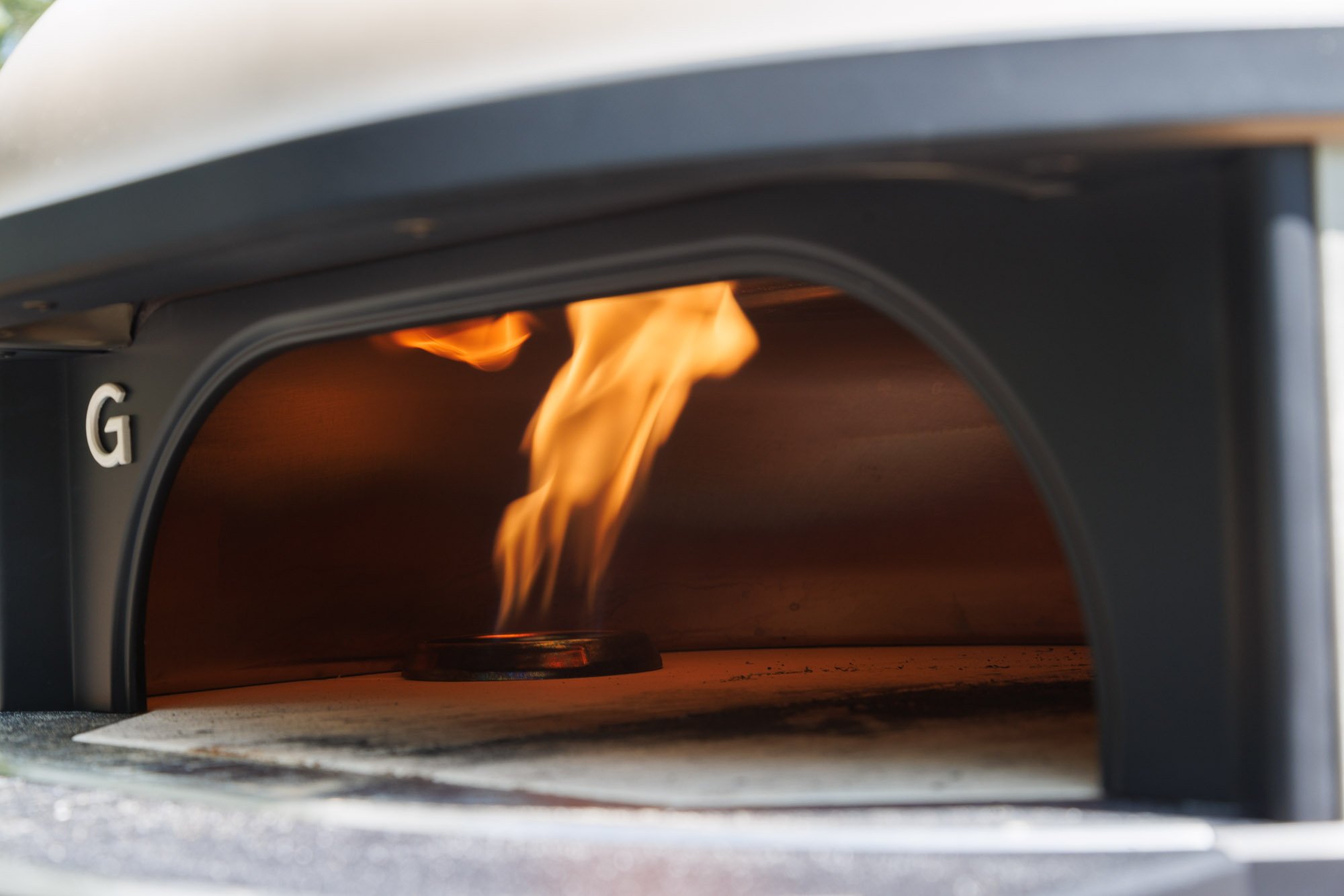
We slice through the competition to find you the best pizza makers to get the most out of your dough. The post The best pizza ovens appeared first on Popular Science .
The best pizza oven for most people is the Gozney Arc ($799.99 at Gozney as of October 2026), a 14-inch propane oven with a thermometer in the box that I’ve cooked on myself. If space or budget is tight, its smaller sibling, the Gozney Arc Lite ($399.99), heats quickly, holds its heat, and packs away easily. If you’d rather cook over live fire, the Ooni Karu 2 ($449) burns wood or charcoal out of the box. Plenty has changed since our last update: Gozney replaced the Dome we tested with the Dome Gen 2, Ooni renamed the Karu 12G to Karu 2 and put our old favorite, the first-generation Karu 12, on clearance, Ooni now sells a stone that rotates your pizza for you, and the ALFA oven we recommended for big pies is discontinued. This guide covers outdoor ovens plus one indoor pick; if you only cook inside, our guide to the best indoor pizza ovens goes deeper.
I’ve cooked on the Gozney Arc and Arc Lite myself, and PopSci tested the Ninja Woodfire, the Nexgrill Ora, and the original Gozney Dome for earlier versions of this guide. The rest of the picks are research-based. We didn’t run a new comparative test round for this update. Instead, we combined our earlier hands-on testing with current manufacturer specs and measurements from named independent reviewers, and we focused on heat-up time, cooking consistency, ease of use, capacity, and fire management.
For the researched picks, we read the manufacturers’ spec pages and help centers, checked every price at a named retailer on October 21, 2026, and read reviews from TechRadar, T3, Livingetc, and Bob Vila, crediting their measurements by name. Maximum temperatures are labeled as manufacturer ratings because a stone rarely reaches them in use. We also checked each brand’s lineup for successors and discontinued models, which is how the old Dome, the first-generation Karu 12, and the ALFA 4 Pizze ended up reworked or cut.
We favored ovens you can buy new from the manufacturer or a major retailer today, and we cut picks that only turned up through third-party sellers, which is what happened to our old countertop pick.
Pizza ovens split along fuel lines. Propane is the easiest to live with, wood and charcoal require more attention but give you a live-fire cooking experience, and electric models trade top-end heat for convenience. Our picks range from $149 to $2,299.99 and cover all three, plus an indoor oven. Maximum temperatures are manufacturer ratings, and each card’s specs list how we evaluated it: tested, researched, or predecessor tested (we tested the previous version and researched the current one).
Prices and availability were checked from October 21 to October 26, 2026, at the retailers named and may change.
Why it won: The Gozney Arc keeps the rolling side flame of the Arc Lite but adds room for 14-inch pies, a thicker stone, and a thermometer in the box.
Gozney
I’ve cooked on both of Gozney’s compact Arc ovens, and the regular Gozney Arc is the one I’d recommend first. It costs $799.99 at Gozney, twice the price of the Arc Lite below, and the extra money addresses the Lite’s two biggest limits: the Arc takes a 14-inch pizza instead of a 12-inch one, and it comes with a thermometer, so you’re not guessing at the oven’s temperature.
On paper, the rest of the upgrade is about holding heat. Gozney lists a 20mm cordierite stone, thicker than the Arc Lite’s 12mm, inside a two-layer insulated body, and that extra stone mass is what you want when you’re launching pizzas back to back. The heat comes from a lateral gas burner on one side that Gozney says recreates a wood-fired rolling flame, the same layout as the Lite, with an adjustable flame control. The box also includes a hose and regulator for a standard propane tank, a burner guard, and a stone adjustment tool.
The tradeoff is bulk. Gozney lists the Arc at 47.5 pounds and about 19 by 22 inches, nearly twice the Arc Lite’s weight, so it’s still a tabletop oven but less of a grab-it-and-go one. It runs on propane only, and Gozney extends the warranty from one year to five if you register within 60 days. The built-in thermometer reads the oven, not the stone, so an infrared thermometer is still useful. If you want 16-inch pies, the Arc XL costs $999.99.
Why it won: The Arc Lite heats fast and holds its heat in a 26.4-pound body that costs half as much as the Arc.
Gozney
I’ve been cooking on the Gozney Arc Lite too, and it’s the one I’d pick if storage space or budget matters more than pie size. It heats up quickly, it holds that heat well from one pizza to the next, and it cools down relatively quickly once you turn off the gas, which matters when you’re the one waiting to put it away. It also feels like a much more expensive oven than it is. Gozney launched the Arc Lite in March 2026 at $399.99, which is still its price (it dropped to $349.99 during Gozney’s Labor Day sale).
Size is the reason it gets its own slot. Gozney lists it at 26.4 pounds and about 17 by 19 inches, with a half-inch cordierite stone sized for 12-inch pies and a rolling flame along one side of the chamber, controlled by a dial on the front. It fits on a small patio table or a shelf in the garage between cooks. That footprint may also suit some balconies, provided your building rules, local restrictions, and Gozney’s clearance requirements permit a propane oven. Bob Vila’s reviewer, writing in May 2026, needed 20 to 30 minutes of preheat and finished most pizzas in 2 to 3 minutes.
My one real gripe is the missing thermometer. The Arc Lite has no built-in temperature readout, so you can’t see when the stone is ready, and an infrared thermometer is strongly recommended if you want repeatable results. Gozney sells its own infrared thermometer for $49.99, and our guide to the best infrared thermometers has other options. Gozney offers an extensive accessory lineup (covers, a stand shared with the bigger Arc models, peels), although the extras add up quickly. If you want 14-inch pies and a thermometer in the box, step up to the Arc above; the Arc XL goes to 16 inches for $999.99.
Why it won: The Karu 2 burns wood or charcoal out of the box and takes a $120 gas burner later, so you don’t have to pick a fuel up front.
Ooni
Propane is the easy way to make pizza. Wood is the more involved way, and the Ooni Karu 2 is the oven we’d buy for it. It burns hardwood or charcoal right out of the box, and the optional gas burner (a $120 add-on) gives you propane for weeknights when you don’t feel like tending a fire. Ooni lists it at $449. If the name is new to you, it shouldn’t be: Ooni’s own FAQ says the Karu 12G and the Karu 2 are the exact same oven, so the Karu 2 is a rename, not a redesign.
Wood takes more attention than gas. You’re feeding small splits into the rear tray, watching the flame, and adjusting airflow to keep the stone hot, and how close you get to Ooni’s 950°F rating depends on dry fuel and a well-fed fire. The Karu 2’s built-in thermometer tracks the oven temperature, but an infrared thermometer is still useful because it tells you when the stone itself is ready for a pizza. Live fire can add some smoke character, especially on longer cooks, though for a pizza that bakes in about a minute or two the difference versus gas may be subtle. Most of the appeal is the fire itself.
Our previous best overall, the first-generation Ooni Karu 12 , is still on sale at Ooni for $249 (down from $349). At 26.5 pounds, it’s lighter and $200 cheaper than the Karu 2, and it’s a good buy while the clearance stock lasts.
Why it won: The Dome Gen 2 adds a built-in air-and-floor temperature console and room for a 16-inch pie to the design we tested.
Gozney
We tested the original Gozney Dome for an earlier version of this guide, and it impressed us. In gas mode it passed 930°F in under 20 minutes without any tending, and it took us three or four pies to dial in a classic Neapolitan, after which it was easy to repeat. That Dome is gone now. Gozney replaced it with the Dome Gen 2 in fall 2025, its old product link now forwards to the Gen 2 lineup, and Gozney’s help center says the cheaper Dome S1 is no longer made. What follows about the Gen 2 comes from Gozney’s specs and other outlets’ reviews, not our own testing.
The Gen 2 is a bigger, smarter oven. Gozney’s specs call for one 16-inch pizza or two 10-inch pies on a 30mm cordierite stone, 136.7 pounds for the oven alone, and a built-in digital console that shows air and floor temperature, runs a cook timer, and takes two meat probes. It comes in separate propane and natural-gas versions and can also burn wood or charcoal. Gozney’s optional Wood-Fire Control Kit ($199.99, sold out when we checked) adds powered airflow and finer control over a live fire. Gas mode works a lot like a propane grill : light it, then manage the pizza’s distance from the flame.
It’s a project, though, and the stand is extra. TechRadar’s December 2025 review lists a 40- to 45-minute heat time, says the oven does best with little or no wind blowing into the mouth, and notes that the Gen 2 drops the original’s steam injector attachment for bread. T3’s reviewer couldn’t get the igniter to spark even after two battery changes and lit it with a match instead. It was $1,999.99 during Gozney’s Labor Day sale, and the Dome XL Gen 2 fits an 18-inch pie for $2,799.99.
Why it won: We tested the Ninja Woodfire, and it’s the only pick here with a built-in pellet smoker and a dehydrate mode.
Ninja
We love pizza as much as the next person, but you have to eat something else occasionally, and the Ninja Woodfire 8-in-1 Outdoor Oven handles most of it. It’s about the size of a microwave and runs on electricity. You plug it in, add the right rack or the pizza stone, set the temperature, and let it preheat. Next to the gas and wood ovens on this list, it’s close to hands-off.
It has five pizza settings: thin crust, pan, New York, Neapolitan, and frozen. In our testing, the Neapolitan and New York modes took about 15 minutes to hit max temperature, then we slid in the pizza and closed the door. There’s almost no learning curve and no turning or babysitting, and when we opened the door we had a well-cooked pie. The chamber is snug, though. Our roughly 12-inch pizza just barely fit and took some nudging to keep it from oozing over the sides. The stone lifts out, but Ninja says not to get it wet : let it cool completely, scrape it gently with a nonmetal tool, and wipe away debris with a soft cloth.
Once you’re done with pizza, it roasts, broils, bakes, dehydrates, and smokes. It held a steady 225°F to 250°F in our testing, and the pellet box on the side adds smoke flavor the way a pellet grill does. SharkNinja’s own store showed the Woodfire out of stock at its $399.99 list price, while Best Buy had it for $329.99 with a 4.1-star average across 864 ratings. SharkNinja’s newer Ninja Artisan MO201 ($249.99 on sale, down from $299.99) keeps the 12-inch capacity and 700°F ceiling but drops the pellet smoker.
Why it won: For $149, the Nexgrill Ora’s rotating-stone knob gave us a more even bake than turning pies by hand.
Nexggrill
Cooking homemade pizza in a 900°F oven can be intimidating, and the Nexgrill Ora 12 makes it easier to get good results on your first try. A knob on the right side rotates the central pizza stone, turning your pie for an even cook. With most ovens, you turn the pizza yourself with a peel, and at these temperatures 10 seconds can be the difference between a well-cooked pizza and a charred one.
Setup was easy. The oven comes fully assembled; all we had to do was drop in the five pieces of its stone, which felt like a big, easy puzzle, then connect a propane tank. Gas is beginner-friendly because the heat is steady without feeding wood. A chamber on top can hold wood if you want a little smoke. Turning it on was as simple as twisting the power knob to the flame icon. The flame sits toward the back, so rotating matters, and the oven was ready in about 10 minutes in our testing (Nexgrill rates it to reach 900°F in about 20). Our one complaint is the lack of a built-in thermometer.
Pizzas went in and out the same way as in other ovens: flour the dough on a peel, top it lightly, launch it, and pull it after about 90 to 120 seconds. The difference was a more even cook every time, thanks to the knob, which has enough resistance that you won’t send the pie spinning. Nexgrill sells it for $149 , though The Home Depot listed it at $206.12 the same day, where it averages 3.9 stars across 116 reviews and a couple of owners mention the knob occasionally sticking.
Why it won: The Koda 2 Max is rated for a 20-inch pie or three 10-inch pizzas at once for about $1,000 less than the Dome Gen 2.
Ooni
Feeding a backyard full of people one 12-inch pie at a time gets old fast. The Ooni Koda 2 Max is our pick for that party. Ooni rates its 24-by-21-inch cordierite stone for one 20-inch New York-style pie, two 12-inch pizzas, or three 10-inch pizzas at once, and two independently controlled burners let you run the two sides at different heat.
It’s gas only, in separate propane and natural-gas versions, and Ooni includes its Connect digital temperature hub and a food probe, so you’re not guessing at stone temperature the way you are with the Arc Lite. We replaced the ALFA 4 Pizze with it in this slot. The ALFA we used to link is discontinued, and the current wood-fired top ran about $2,800 to $3,000 at BBQGuys and Embers Living, before you build a base for it.
At 95 pounds, it needs a permanent spot on a stout table. Ooni lists it at $1,299, though the page showed it out of stock with preorders open, so check the delivery estimate before you plan a party around it. It also works with Ooni’s rotating stone , sold separately or in a $1,649 bundle.
Why it won: This is the least expensive way to get Ooni’s motorized stone, which turns the pizza so you don’t have to.
Ooni
Turning the pizza is the skill that separates a leopard-spotted crust from a scorched one, and Ooni’s rotating stone takes it off your plate. Launched in March 2026, it replaces the standard stone in Ooni’s Koda 2 ovens with a motor-driven one powered by a battery pack under the oven floor. Wave your hand or a peel in front of its sensor and it starts or stops. Ooni says it can spin continuously or turn 90 degrees at timed intervals, and that four AA batteries last about seven hours of rotation.
We picked the bundle with the standard 14-inch Koda 2 because it’s the least expensive of Ooni’s three rotating-stone bundles: $799 (regular $828), versus $499 for the oven alone and $329 for the 12-inch stone on its own. You still launch the pizza yourself. Livingetc’s reviewer, writing in May 2026, got an uneven first pie because she moved it too soon, then got even results by turning the flame down to about half; each pizza took 90 seconds to two minutes.
The rotating stone caps the base Koda 2 at 12-inch pies (the standard stone that’s also in the box handles 14), and the base Koda 2 has no thermometer. The cheaper way to rotate is the Nexgrill Ora’s manual knob for $149. Ooni showed the bundle out of stock with preorders open, so check the ship date.
Why it won: The Volt 2 is the successor to the indoor oven we tested and liked best, and Ooni rates it for 850°F from a standard outlet.
Ooni
No yard, no balcony, or no interest in standing outside in February? The Ooni Volt 2 brings high-heat pizza indoors. Ooni says it’s made for indoor use only, plugs into a standard 120-volt outlet, and reaches 850°F. It replaced the original Ooni Volt, which PopSci tested and named the top pick in our guide to the best indoor pizza ovens . We haven’t tested the Volt 2 itself, so this pick is research-based.
Ooni calls the control system Pizza Intelligence. In practice, it’s presets for Neapolitan, thin-and-crispy, and pan pizzas that manage the top and bottom elements for you, plus a Boost mode that Ooni says drives the top element hard enough for a 90-second Neapolitan. A proofing mode drops as low as 70°F for dough, and the smoke and grease filter goes in the dishwasher.
It costs $699 at Ooni, and Ooni extends the warranty to three years if you register it. The Charcoal Grey version was sold out when we checked, while Polar White was listed at the same price. At 38.8 pounds, it wants a permanent spot on the counter.
Every oven on this list can make a good pizza. The differences come down to fuel, size, and how much help you want while you learn.
Propane is the default for a reason. You turn a knob, wait for the stone to heat, and the flame stays steady all night. Wood and charcoal take more attention, since you’re feeding the fire and managing airflow; some people want that ritual, and live fire can add some smoke character, though on a pizza that bakes in a minute or two it may be subtle. Electric ovens like the Ninja Woodfire and Ooni Volt 2 are the easiest of all, though Ninja rates the Woodfire to 700°F, below the 900°F to 950°F ratings on the gas ovens here. The Dome Gen 2 and Koda 2 Max are sold in separate propane and natural-gas configurations, so choose the version that matches your setup.
A 12-inch pizza capacity is enough for most households, and it’s what keeps the Arc Lite and Karu 2 portable. The 14-inch Gozney Arc is the middle ground at 47.5 pounds. Bigger stones let you cook larger pies or several at once, but the weight climbs fast: their makers list the Koda 2 Max at 95 pounds and the Dome Gen 2 at 136.7 pounds. Measure your table, and decide whether the oven lives outside full time or goes back into storage after each cook.
Stone temperature is the key measurement for deciding when to launch a pizza, and several ovens here don’t show it. The Arc Lite, the Nexgrill Ora, and the base Koda 2 have no built-in readout, so budget about $50 for an infrared thermometer. The Karu 2, Gozney Arc, and Arc XL have built-in thermometers, the Dome Gen 2 has a digital console, and the Koda 2 Max comes with Ooni’s temperature hub, but an infrared reading of the stone is still useful on all of them.
Most outdoor ovens put the flame on one side or at the back, so the side nearest the fire cooks faster and you have to turn the pie regularly with a turning peel. If that sounds stressful, the Nexgrill Ora’s manual rotation knob and Ooni’s motorized rotating stone handle it for you.
Neapolitan-style pizza needs intense heat to cook in a couple of minutes or less, which is why most gas and wood ovens here are rated to 900°F or 950°F. Those are manufacturer ratings; the stone itself usually reads lower in use, especially on wood. In our testing, pies on the Nexgrill Ora took about 90 to 120 seconds. New York-style and pan pizzas do better a bit cooler and a bit longer.
Gas is better for most people because the heat is steady and it takes almost no fire management. Wood and charcoal are more hands-on and can add some smoke character, though on a fast-baking pizza the difference may be subtle. Multi-fuel ovens like the Ooni Karu 2 burn wood or charcoal out of the box and take an optional gas burner, so you don’t have to choose up front.
It’s strongly recommended for any oven without a built-in readout, including the Gozney Arc Lite, the Nexgrill Ora, and the base Ooni Koda 2, and it’s still useful on ovens that have one. An infrared thermometer reads the stone’s surface temperature, which is what tells you when to launch. Gozney’s costs $49.99 as of October 2026.
No. Propane, wood, and charcoal ovens burn fuel and produce carbon monoxide, so they belong outside with open air around them. Follow your oven’s manual for clearances. If you want to cook indoors, use an electric oven designed for it, like the Ooni Volt 2, which Ooni says is for indoor use only.
The Karu 12G and Karu 2 are the same oven; Ooni’s FAQ says so directly, and the Karu 2 is the current name. The Karu 12 is the first-generation model, which Ooni was selling for $249 (down from $349) as of October 2026.
The original Gozney Dome has been replaced by the Dome Gen 2, which launched in fall 2025 starting at $2,299.99, and Gozney’s old Dome product page now forwards to the Gen 2 lineup. Gozney’s help center says the Dome S1 is no longer manufactured. A larger Dome XL Gen 2 costs $2,799.99.
Yes. On July 9, 2026, the CPSC announced a recall of about 12,660 Cuisinart Propel+ Four Burner 3-in-1 Gas Grills with a pizza oven (model CGG-6331), because the oven’s tempered glass window can shatter. They were sold at Lowe’s, Walmart, and Cuisinart.com from December 2024 through May 2026. A search of the CPSC recall database on October 21, 2026, found no recalls for the specific models recommended here.
The deepest discounts we documented in 2026 came during holiday sales. During Labor Day 2026, Gozney cut the Arc Lite to $349.99 and the Dome Gen 2 to $1,999.99, and Ooni’s Memorial Day 2026 sale had the first-generation Karu 12 at $249. We’ll update this guide after Black Friday.
The Gozney Arc is the best starting point for most buyers: it takes 14-inch pies, comes with a thermometer, and costs $799.99. If space or budget is tight, the $399.99 Gozney Arc Lite heats quickly, holds its heat, and stores easily; add a $50 infrared thermometer. Choose the Ooni Karu 2 if tending a live fire is part of the appeal, the Nexgrill Ora 12 if price and easy turning matter most, or the Ooni Volt 2 if your pizza oven has to live in the kitchen. For crowds, the Ooni Koda 2 Max handles 20-inch pies, and the Gozney Dome Gen 2 is the one to build an outdoor kitchen around.
The post The best pizza ovens appeared first on Popular Science .