Doctor reveals one of the most common triggers for waking up at night — and how to fix it so that you start sleeping through again
Latest from Tom's Guide ·
null
Brief awakenings are a normal part of sleep, but constantly waking up at 3 a.m. and being unable to fall back asleep can be a cause for concern. While it's clear that middle insomnia can lead to poor health and low energy levels, what isn't so clear is why we wake up in the middle of the night.
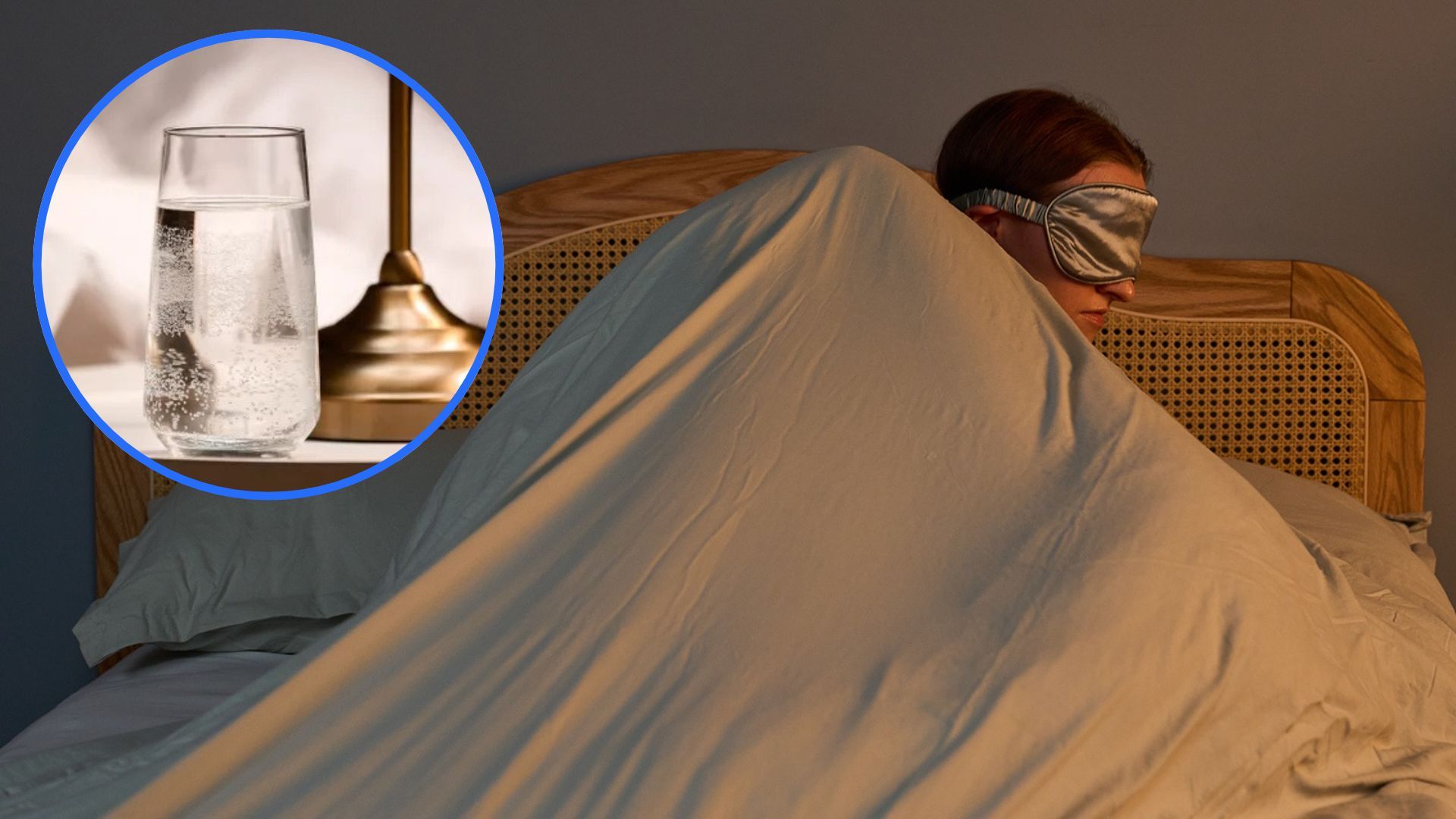
While everyone's experience with night-time awakenings are different, research has shown that there some common causes for disrupted sleep. The U.S. Sleep Hygiene Report by MattressNextDay surveyed 1,500 Americans across all 50 US states and found that the top reason for middle insomnia is thirst, with 36% of respondents sharing that they wake up at night because they need a drink.
"You might not even realize you're thirsty until you're wide awake, but by then, the quality of your sleep has already taken a hit," says board-certified internal medicine physician Dr. Danielle Wall, M.D.
To find out why thirst disrupts sleep and how to fix it, I've called on Dr. Wall and Sammy Margo , a physiotherapist and resident sleep expert at Dreams. So, read on to find out what's behind your nocturnal need for a glass of water, plus how you can keep thirst at bay throughout the night.
Research shows that there is a strong link between dehydration and shorter, fragmented sleep, with Dr. Wall telling me we should think of thirst as a "biological wake-up call".
"When you're dehydrated, your brain triggers a response to get you to find water, which effectively pulls you out of your sleep," explains Dr. Wall, Sit 'n Sleep 's resident medical reviewer.
The doctor warns that waking up for a glass of water disrupts our sleep cycles, which then prevents us from getting enough " deep, restorative rest ".
Chartered physiotherapist Margo says that cutting deep sleep short impacts your readiness to face the day ahead, too.
"These interruptions may make it harder to enjoy a continuous, restful night's sleep, potentially leaving you feeling tired and less refreshed the following morning" warns Margo.
The physio and the founder of The Good Sleep Expert also highlights that thirst can make it difficult to fall back asleep once you've woken up at night.
"When you're dehydrated, your body may struggle to regulate its temperature, while your heart rate may also increase, making it harder to relax and drift off back to sleep," she points out.
It may seem obvious that night-time thirst is caused by a lack of hydration.
What's less obvious is that hydration should begin as soon we wake up if we want to fight off nocturnal awakenings — not from gulping down a glass of water before bed.
"In many cases, it's just a matter of catching up — you haven't had enough water during the day, and your body realizes it once you settle in," says Dr. Wall.
Studies have found that room temperature has a huge effect on hydration levels, with warm environments over 81°F (27°C) increasing the risk of dehydration.
"If your bedroom is too warm, you may find yourself sweating more than usual, causing your body to lose additional fluids and potentially leaving you waking up feeling thirsty," explains Margo.
"With the colder weather, many of us are also turning up the heating, but this can contribute to dry air, leaving you waking up with a dry mouth or throat," she adds.
According to Dr. Wall, our night-time awakenings are not just about our water intake (or lack thereof); it's also about what we eat.
"High-sodium or high-sugar dinners draw water out of your cells, which spikes that thirsty feeling," says the physician.
Margo also says that spicy foods can play a role in 3 a.m. wake-ups.
“Spicy foods can also increase your body temperature at a time when your body is naturally trying to cool down for sleep," she explains. "They can also contribute to indigestion or acid reflux, making it harder to get comfortable and drift off."
While studies now show that various drinks, from soda to coffee, contribute to our daily hydration levels, that doesn't mean we should be drinking them close to bedtime — especially alcohol.
“It's also no secret that alcohol can contribute to dehydration, and with Christmas party season approaching, having a few drinks in the evening may leave you feeling particularly thirsty overnight," says Margo.
Dr. Wall agrees: "I always warn against alcohol in the evening; while it might help you drift off, research shows it actually dries you out and disrupts the quality of your REM sleep."
While lifestyle habits, from food intake to a glass of wine in the evening, can cause night-time dehydration, illness and medical conditions can also play a role.
"We see waking up feeling thirsty with mouth breathing, whether it's from a stuffy nose or sleep apnea ; it dries out your mouth and throat very quickly, leaving you feeling parched," explains Dr. Wall.
Both sleep experts agree that the best strategy for preventing night-time thirst is to get the bulk of your fluids in early.
"I'd recommend starting your day with a glass of water and drinking regularly throughout the morning and afternoon, rather than waiting until you feel thirsty," advises Margo. "Keeping a water bottle nearby can be a helpful reminder to sip throughout the day."
Drinking the lion's share of your fluid intake in the morning can also help stave off nocturia , too.
"To avoid those frustrating middle-of-the-night bathroom runs, start tapering off your drinks about two or three hours before you plan to go to bed," suggests Dr. Wall.
For dinner, Dr. Wall says it's best to skip alcohol and limit high-sugar desserts that, according to research , can affect your blood sugar and make you thirstier.
"I'd suggest avoiding anything heavily processed or salty, like canned soups, salty snacks, or processed meats, because salt triggers an almost immediate need for water," the doctor advises.
Instead, she tells me that we should be opting for lighter meals and hydrating foods. "You can also eat water-rich foods like cucumbers, celery, or watermelon," she says.
While Dr. Wall recommends keeping your thermostat around 65°F (18°C) to prevent fluid loss from a too-warm bedroom, she also says using the best bed sheets , such as those made from cooling percale and Tencel , can help, too.
"Using breathable, natural fibers like cotton or linen for your sheets and pyjamas helps your body stay cool and wicks away moisture," says the board-certified doctor.
"If the air in your room is particularly dry, a humidifier can also keep your nasal passages from drying out," she adds.