A few tech leaders are rebranding AI as ‘superintelligence’ — calling it that doesn’t make it accurate
Latest from Tom's Guide ·
null
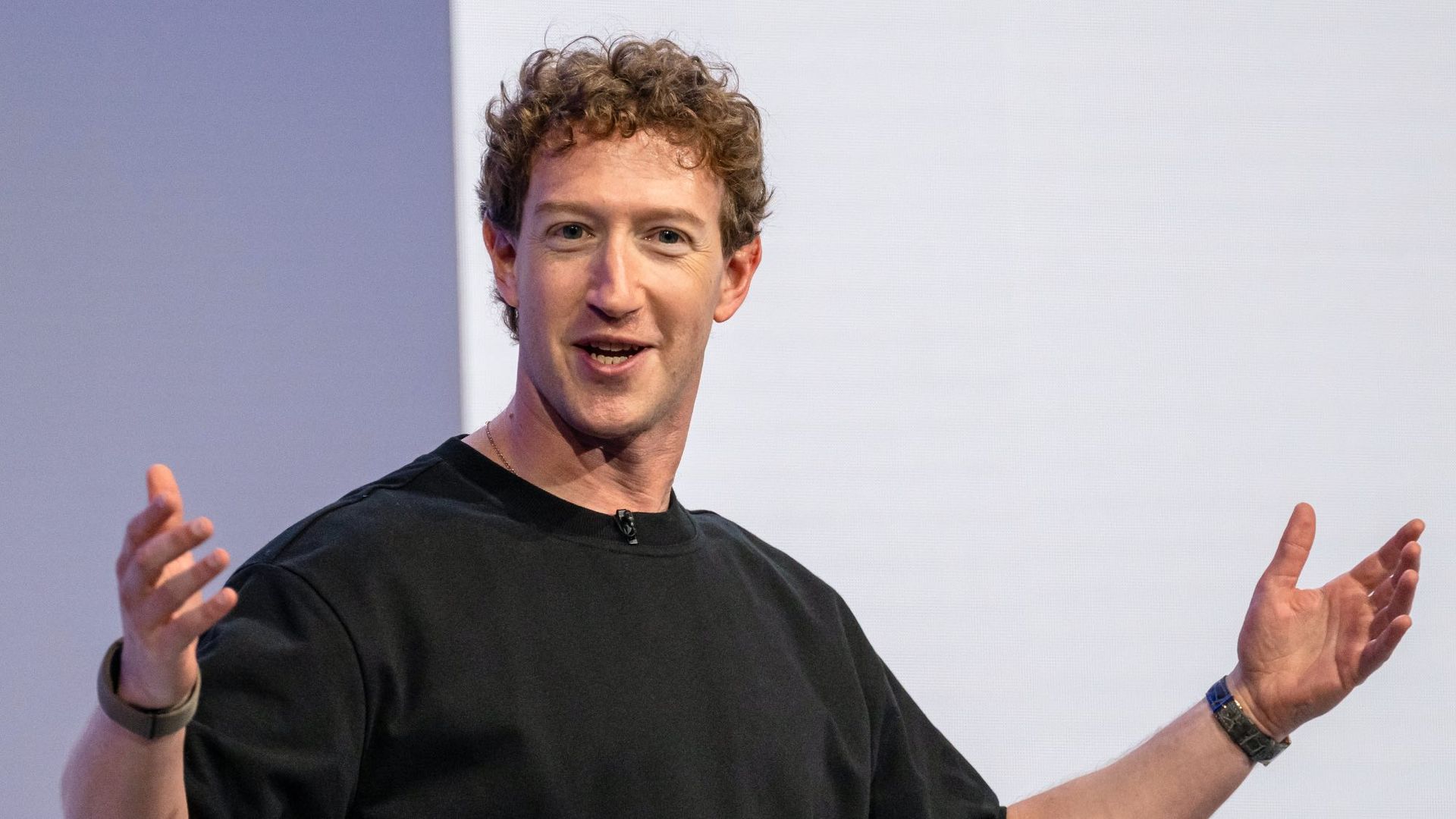
A new CNBC report describes how the language at the top of the industry is shifting. On their third-quarter earnings calls, Meta’s Mark Zuckerberg and Tesla and SpaceX’s Elon Musk traded “AI” for “super intelligence,” roughly a month after President Trump ordered federal agencies to replace the term artificial intelligence with super intelligence.
According to the report , The CEOs of Microsoft, Amazon and Alphabet stuck with “AI.” Whatever the motivation behind the swap — alignment with the White House, marketing, or genuine conviction — the word "superintelligence" deserves scrutiny, because it carries a promise that the people using it have every incentive to make sound inevitable.
Companies are free to pursue superintelligence, to spend heavily researching it and to explain why they think it’s within reach. But describing an ambition and demonstrating that you’ve reached it are different things, and readers deserve language that makes clear which one is on the table.
Superintelligence generally describes AI that substantially exceeds human intellectual capabilities across a broad range of activities. That’s an enormous claim, far beyond being able to generate an essay quickly or outperform someone on a particular test.
The breadth is the point. A calculator can beat me at arithmetic without being more intelligent than a person in any meaningful sense, and an AI system that excels in one domain hasn’t thereby shown it can apply the same judgment everywhere else.
Before accepting the label, we should be asking what was measured, who evaluated the system and whether the results hold up outside the conditions chosen to demonstrate it. For that reason, it's understandable why some tech executives haven't started using the term.
I have a responsibility here, too. If an executive says their company is working toward superintelligence , my headline needs to make clear that it’s still a goal. A prediction about what AI might eventually do shouldn’t become a claim about what you can use today. Readers should be able to trust us to make that clear.
For someone deciding whether to rely on a chatbot, “superintelligence” can carry a consequential suggestion, that the system knows better than they do.
That could affect how carefully a person checks an answer , how much authority they give its advice or how willing they are to let it act on their behalf. The language encourages expectations that the technology then has to meet.
Useful AI doesn’t require that kind of promise; in other words, we know that it can make mistakes. In fact, there are clear labels on most chatbots now indicating that AI does, in fact, make mistakes. An assistant can help someone organize research or understand an unfamiliar document without being presented as intellectually superior to humanity.
Consumers need specific information about how well a product works, where it makes mistakes and what requires human review. “Superintelligence” supplies none of that on its own.
If anything, a grander claim should invite closer examination. A company asking us to believe it is approaching intelligence beyond human abilities should be prepared to explain how it would recognize that achievement — and how anyone outside the company could verify it.
It's more important than ever to look at AI with extra scrutiny. And we can acknowledge progress without accepting every label.
Skepticism about the word doesn’t require dismissing the technology. AI can improve, become more useful and change the way people work while companies’ descriptions of it still deserve challenge.
We also shouldn’t treat the possibility of future superintelligence as proof of its arrival. Executives are entitled to make forecasts., but for readers paying for these products , the useful tests are concrete and unchanged — whether the tool does what you need, whether you can check its work, and whether it gives you enough control over what it does on your behalf. Calling it “super” answers none of those questions, and the company still has to show its work.