The gardener’s guide to surviving heavy storms and waterlogged lawns
Latest from Tom's Guide ·
Camilla is the Homes Staff Writer and covers everything to do with homes and gardens. She has a wealth of editorial experience, mounting over 30 years, and covers news and features, tests products for reviews and compiles buying guides. Her work has appeared in business and consumer titles, including Ideal Home, Real Homes, House Beautiful, Homebuilding & Renovation, and Kitchen & Bathroom Business. She’s even appeared on the cover of Your Home, writing about her own house renovation. Although she’s obsessed with decorating her home, she also enjoys baking and trying out the latest kitchen appliances. But when she’s not inside, you’ll find her pottering about in her yard, tending to her vegetable patch or taking in her prized hydrangeas. She also enjoys keeping fit, and if she's not on a spin bike trying to keep up with the class, she'll be in the pool, or trying to perfect her headstand in a yoga class.
As the threat of extreme weather grows, bringing heavy storms, high winds and flooding, gardening and outdoor enthusiasts should prepare and secure their outdoor spaces. High winds can tip over furniture, lift lightweight planters, and damage decorative lighting, while heavy rain can cause flooding if it has nowhere to go.
So, to help protect your yard from a storm and reduce the impact of extreme weather damage, I asked the experts for a plan of action, and it's based on a three-prong approach.
Ahead of bad weather, Jon Saeed, managing director at Lighting Legends , says it’s worth checking your yard and thinking about what strong winds could affect. “Things like garden furniture, plant pots and decorative ornaments can easily be blown over, while outdoor lights and their fixings may be put under extra strain when the weather turns,” he says.
Outdoor furniture Garden chairs and tables can shift or topple over in strong winds, particularly if they are lightweight. He suggests storing smaller pieces in a shed or garage, and securing heavier furniture so it is less likely to move.
Cushions and decorative outdoor rugs will also get a beating if left out in a storm, so bring them inside, or store them in a waterproof container to keep them dry.
Outdoor lighting Lights can be particularly vulnerable to strong winds and wet weather. Saeed suggests checking the hooks and supports on permanent fixings and making sure cables aren’t hanging loosely.
He also advises, “Unplug any lights, and if strong winds are expected, take down string lights to prevent bulbs from shattering.”
Top tip It’s also worth checking your lighting for an IP65 rating, which means it can withstand wet and windy conditions.
Containers and decor Lightweight plant pots and empty containers will be blown across your yard in strong winds. To avoid the damage and mess, Saeed recommends moving small pots into a shed or sheltered spot, and grouping heavier pots together.
Outbuildings and fencing Don’t forget to check your outbuildings and fencing before a storm arrives. “Look for unstable loose panels and fixings, or shed doors that could swing open in strong winds,” says Saeed.
When the weather is fine, get outside and make those repairs to avoid unnecessary damage.
While a good soak can benefit our gardens, Mark Dwelly, Head Gardener at Audley Stanbridge Earls , says, “Constant downpours can lead to waterlogged soil, hinder weed control, and even damage delicate plants.”
So, what do we need to do to manage our soil during heavy rain?
Lawncare Dwelly advises holding off on mowing your lawn and says, “Mowing wet grass compacts the soil and can lead to patchy growth. Allow the lawn to dry out completely before attempting a mow.” Stake plants Check your garden for any plants that will be vulnerable in a storm. Dwelly recommends staking or caging vulnerable plants, such as tomatoes or peppers, to keep them from toppling over in heavy rain.
Cover tender plants Heavy rain can also damage delicate flowers, so to keep them protected. "If possible, move container plants to a covered area or use temporary shelters like row covers," he advises.
Check for fungal disease Prolonged moisture can encourage fungal growth, so Dwelly recommends you keep an eye on your plants and treat any outbreaks promptly with organic fungicide.
Get weeding Step out into your garden in between showers and pull up some weeds. According to Dwelly, weeds are easier to remove when the soil is moist. You could also make use of the time and clean up your garden tools, and sharpen your pruning shears .
Garden Gloves (2-pack): $9 These garden gloves are made of nylon and nitrile and come in three sizes — small, medium and large. They offer excellent non-slip properties, are comfortable around the wrist, breathable and machine washable. At Tom's Guide, we recommend them as the best overall gardening glove. View Deal
Securing your yard against wind damage is not the only part of the action plan. Chris Bonnet, a garden expert at Gardening Express , explains why you need to prepare for flooding in advance. “Floodproofing your garden is crucial for its longevity and can reduce maintenance costs in the future.”
But what does floodproofing your yard entail? Bonnett says it’s about creating space for water to flow and collect, ensuring your garden has healthy, high-quality soil year-round.
Rain garden One way to limit flooding is to create a rain garden. Bonnet explains that they are shallow dug out basins filled with plants, which can withstand up to 48 hours of waterlogging. “They help water to drain into the surrounding soil, absorbing up to 30% more water than lawn.”
He says, once they are established, they require minimal maintenance, making them perfect long-term solutions for managing the excess water in your garden. Flood-tolerant plants While I’ve been thinking of planting more drought-tolerant plants to handle the extreme heat my garden struggled through this summer, Bonnett suggests considering flood-tolerant plants to help your garden withstand heavy rain.
He says carex, acorus, daylilies, marsh marigold, lady’s smock and New England aster, all of which favor wet conditions.
Water-loving trees Beyond plants that thrive in wet soil, trees can help manage excess water in your yard through canopy interception, high water absorption and by improving soil infiltration. What exactly is canopy interception? Bonnett explains that water gets caught in the leaves and then evaporates, so it doesn’t pool in your yard.
Trees also absorb large amounts of moisture from the soil through their roots and release it back into the atmosphere through transpiration; their extensive root systems also let rainwater soak deep into the soil rather than pool on the surface.
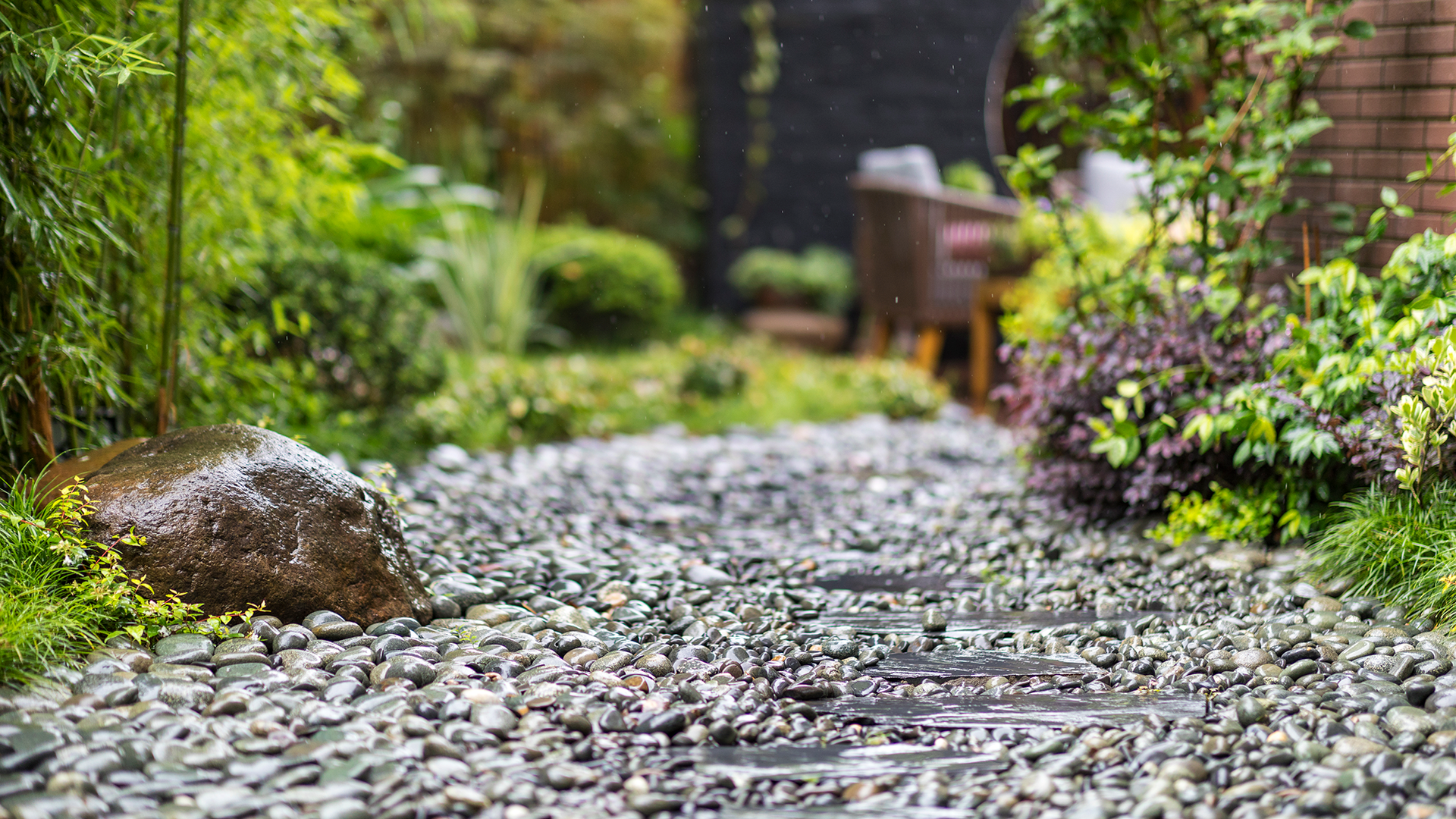
If you’re thinking of planting more trees in your yard and have the space, Bonnett recommends willow trees, river birch and red maple as great choices for flood-prone gardens, as they thrive in wet conditions. Hard landscaping As well as adding flood-tolerant plants and trees to your yard, your choice of hard landscaping can also reduce the risk of flooding. I have a gravel area in my own yard, which lets rainwater pass through to the soil below. However, if you have a large paved area, consider adding drain grates to prevent water from pooling.