What actually happens if you leave fallen leaves on your lawn — and why you’ll regret it
Latest from Tom's Guide ·
Camilla is the Homes Staff Writer and covers everything to do with homes and gardens. She has a wealth of editorial experience, mounting over 30 years, and covers news and features, tests products for reviews and compiles buying guides. Her work has appeared in business and consumer titles, including Ideal Home, Real Homes, House Beautiful, Homebuilding & Renovation, and Kitchen & Bathroom Business. She’s even appeared on the cover of Your Home, writing about her own house renovation. Although she’s obsessed with decorating her home, she also enjoys baking and trying out the latest kitchen appliances. But when she’s not inside, you’ll find her pottering about in her yard, tending to her vegetable patch or taking in her prized hydrangeas. She also enjoys keeping fit, and if she's not on a spin bike trying to keep up with the class, she'll be in the pool, or trying to perfect her headstand in a yoga class.
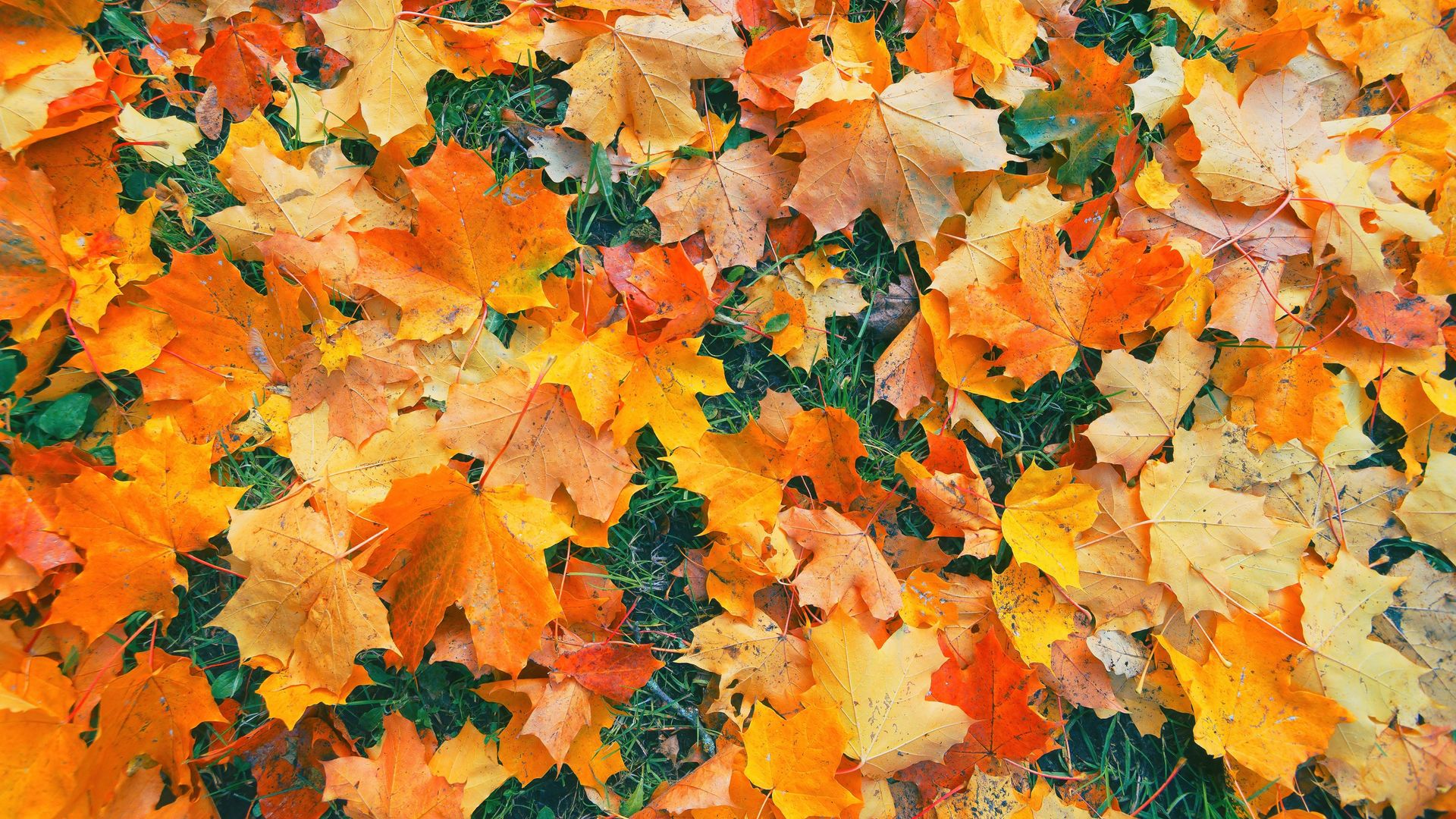
My backyard is looking spectacular with the autumnal tones of gold and russet leaves. And I don’t even mind as they drift onto my lawn, creating a beautiful carpet of color.
But while I’m happy for them to settle for a short while, I won’t leave them all through winter, because although I appreciate their current aesthetic, over time they’ll damage my lawn.
A light flurry of leaves is not so much of a problem, but once your lawn gets covered in a carpet of fallen leaves, it can harm its health if they are not removed.
A thick layer of leaves is an open invitation to fungal disease, as the decaying matter traps moisture, blocks airflow and starves the grass of sunlight. This dark and damp microclimate is the perfect environment for fungi to thrive.
The layer of fallen leaves acts like a blanket, holding in rain, dew and condensation. And once the leaves are left there for a prolonged period, snow mold , brown patch and leaf blight will develop.
If your lawn is lightly covered with leaves, you can leave them be. The wind may help disperse some, while the rest will decompose and add nutrients to the soil.
However, if your lawn is covered in a deep pile of leaves, there’s little chance of sunlight reaching the blades of grass, and the trapped moisture will dry out. In this scenario, you need to grab a rake and remove the leaves to prevent disease from becoming rife. If you don’t fancy the workout that raking leaves provides or you want to save time, you could also opt for a leaf blower or lawn sweeper .
Besides being a magnet for fungal disease, if leaves are left on your lawn, they can also attract pests. The leaf canopy can provide cover, warmth, moisture, and, once the leaves break down, food.
Adjustable Rakes for Leaves: $26 This metal rake comes with an adjustable head that can expand from 7-23 inches to suit your task. This allows it to pick up large leaves, clippings and lawn debris with ease, and it's also small enough to fit under hedges. View Deal
Whether you choose to rake or mow over your leaves , always aim for dry conditions. But if the forecast doesn’t look promising, clear what you can anyway — leaving a layer of wet leaves will suffocate your lawn and invite disease.
If the leaf cover is light, rather than a thick carpet, mowing is the faster route. Just ensure the leaves aren’t soaked to avoid clogging your mower. Best of all, mowing your leaves turns them into a valuable organic mulch, putting the goodness back into your soil.