New memory player CXMT begins mass production of DRAM platform
Network World · · g1808722
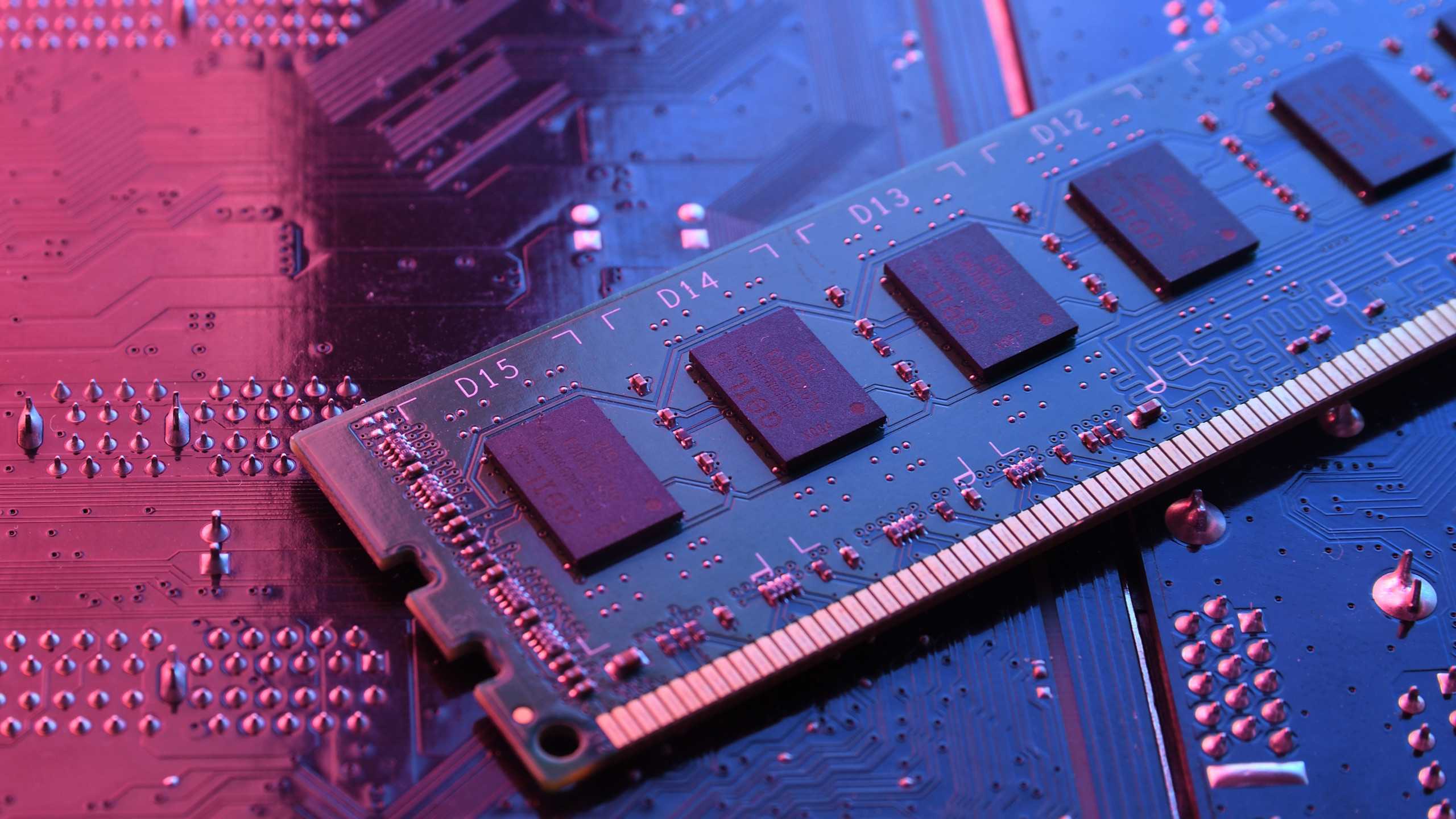
Chinese memory-chip manufacturer ChangXin Memory Technologies (CXMT) has begun mass production of its fifth-generation DRAM technology platform, marking another step in the company’s effort to stand alongside the big three memory makers and help ease the enormous supply shortage. CXMT made the announcement at the 2026 World Manufacturing Convention in Hefei, Anhui Province, China, where it also demonstrated two LPDDR5X memory products based on the new G5 platform. CXMT said both products have entered mass production. Both products offer 24Gb capacities, a 50% increase over comparable products from the previous generation. The devices use different package configurations and are aimed at mid- to high-end smartphones and other portable consumer electronics. CXMT also developed a digital-twin system during the G5 program, designed to shorten research and development cycles. The system uses process models to create a virtual development and manufacturing environment spanning product design, development, production and maintenance. According to the company, the G5 platform substantially increases memory density, allowing the number of dies that can be produced from a wafer to be increased by at least 50% when compared with CXMT’s fourth-generation platform. At the same time the company also expects improvements in power efficiency and manufacturing costs. The production ramp couldn’t come at a better time. Demand for DRAM continues to rise , particularly as AI infrastructure drives higher memory consumption. TrendForce reported that global DRAM industry revenue increased 59.5% sequentially in the second quarter of 2026, while memory supply continued to lag demand growth. The pain at retail is obvious. A 32GB kit of DDR5 memory that sold for $150 a year ago now commands $550 . The memory market is essentially owned by three players: Samsung Electronics, SK Hynix, and Micron. All three are at max capacity, and their future manufacturing is bought up through 2027. Even if CXMT sells only in China, it will help alleviate the demand on memory.
Chinese memory-chip manufacturer ChangXin Memory Technologies (CXMT) has begun mass production of its fifth-generation DRAM technology platform, marking another step in the company’s effort to stand alongside the big three memory makers and help ease the enormous supply shortage. CXMT made the announcement at the 2026 World Manufacturing Convention in Hefei, Anhui Province, China, where it also demonstrated two LPDDR5X memory products based on the new G5 platform. CXMT said both products have entered mass production. Both products offer 24Gb capacities, a 50% increase over comparable products from the previous generation. The devices use different package configurations and are aimed at mid- to high-end smartphones and other portable consumer electronics. CXMT also developed a digital-twin system during the G5 program, designed to shorten research and development cycles. The system uses process models to create a virtual development and manufacturing environment spanning product design, development, production and maintenance. According to the company, the G5 platform substantially increases memory density, allowing the number of dies that can be produced from a wafer to be increased by at least 50% when compared with CXMT’s fourth-generation platform. At the same time the company also expects improvements in power efficiency and manufacturing costs. The production ramp couldn’t come at a better time. Demand for DRAM continues to rise , particularly as AI infrastructure drives higher memory consumption. TrendForce reported that global DRAM industry revenue increased 59.5% sequentially in the second quarter of 2026, while memory supply continued to lag demand growth. The pain at retail is obvious. A 32GB kit of DDR5 memory that sold for $150 a year ago now commands $550 . The memory market is essentially owned by three players: Samsung Electronics, SK Hynix, and Micron. All three are at max capacity, and their future manufacturing is bought up through 2027. Even if CXMT sells only in China, it will help alleviate the demand on memory.