Jessica Alba’s trainer says these 3 simple tests can reveal how well you’re aging – at 44, I tried them all
Latest from Tom's Guide ·
Lucy Miller is a Journalist, Level 3 Personal Trainer, Nutritional Advisor and Children’s Fitness Specialist. She holds fitness qualifications from NASM Training and Premier Training International and has been a fitness journalist and model for over 20 years. Since going freelance in 2014, Lucy left Men’s Fitness Magazine to write for an abundance of top consumer titles such as Women’s Health, Women’s Fitness, Glamour, Top Sante, The Guardian and Runners World. She’s also extremely passionate when it comes to educating others about health and physical activity and loves inspiring and working with children and adults to help make fitness fun, sustainable and accessible. In her spare time, Lucy is ever the sportswoman. Once a national gymnast, having won three national titles, she has also run a handful of marathons around the world and loves to test her physical and metal side with regular running and gym sessions, not to mention ballet, bootcamp, boxing and TRX.
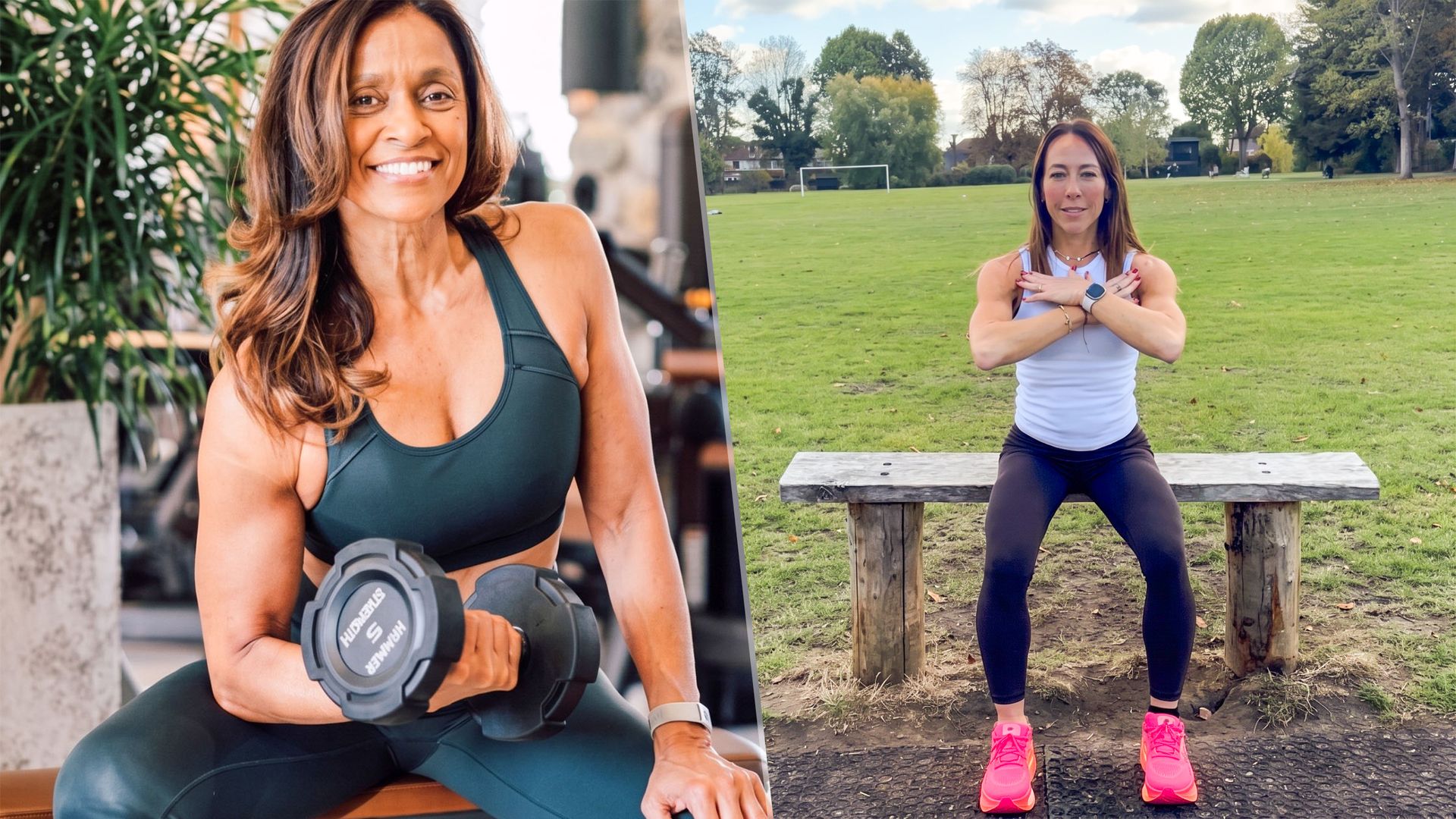
At 64, celebrity trainer Ramona Braganza is seriously inspiring and strong. Scroll through her Instagram, and you’ll find her lifting weights, practicing pull-ups, hiking through Beverly Hills and generally doing all the things I hope I’m still doing 20 years from now.
Braganza has spent decades training some of Hollywood’s biggest names, including Jessica Alba, Halle Berry and Zac Efron, but these days, her own training has a slightly different focus: longevity.
“Never underestimate the power of a strong body to help build a strong life,” says Braganza, who once graced the cover of Muscle & Fitness magazine and regularly shares her own workouts alongside training her 91-year-old mum and clients.
Which brings me to Braganza's three simple tests of strength, balance and functional fitness. No fancy equipment, lab testing, or expensive longevity assessment is involved. In fact, you can do all three at home in a matter of minutes.
Naturally, I wanted to see how I measured up.
“Staying healthy isn’t about doing everything perfectly,” she says. “It’s about paying attention, making adjustments, being consistent and working with your body as it changes.”
Braganza's own formula isn't particularly complicated: walk, lift progressively, keep getting stronger, watch your sugar intake and, most importantly, keep showing up.
“We can’t always control our genetics, but we can control many of the choices we make around them,” she says.
At 44, this really resonates with me. I've already noticed my reasons for training starting to change. Yes, I still want muscle and definition, but I'm increasingly interested in how my body feels when I run, lift, and stretch, and I'm adamant I want to still be doing these things in another 20, 30, or even 40 years.
A post shared by Tom's Guide Fitness | Workout Tips & Gear (@tomsguidefitness)
A photo posted by
First up is something most of us do multiple times a day without thinking about it: we sit down, then stand back up again.
For the test, Braganza recommends setting a timer for 30 seconds and seeing how many complete reps you can perform. Her benchmark for women over 60 is 15 or more.
It sounds ridiculously easy. But repeatedly getting yourself out of a chair without using your hands calls on your leg and core strength, mobility, balance and control, which are all things that become increasingly important as we get older.
And there’s evidence that suggests how well you perform could tell something about healthy aging, too. A 2026 study that followed 2,747 older adults for 15 years found that poorer chair-stand performance was associated with a 36% higher risk of death from any cause.
How I got on : 18 reps for me, which is probably about right considering I’m 16 years off 60.
Next up, stand on one leg and start the clock. Braganza considers 30 seconds or more an excellent result.
Balance is one of those things I rarely think about. I run, lift weights and do yoga, so I just assume mine is pretty good. But your ability to stabilize yourself becomes increasingly important as you get older, particularly when it comes to navigating stairs, uneven ground and everyday movements. Good balance can also help reduce the risk of falls and keep you moving confidently as you age.
How I got on : 30 seconds on each leg with no wobble. There’s good reason to keep an eye on your balance as you get older. A study in the British Journal of Sports Medicine found that adults aged 51 to 75 who couldn’t balance on one leg for 10 seconds had an 84% higher risk of all-cause mortality during the follow-up period.
Finally, it was time to hit the pull-up bar and hang on for as long as possible.
Braganza gives 30–60 seconds as a strong goal, and this was probably the test I was most intrigued by. Hanging from a bar looks easy right up until your forearms start burning and your fingers begin peeling away from the bar.
The dead hang tests grip and upper-body strength, and grip strength has attracted plenty of attention in longevity research because of its association with health and physical function as you age.
How I got on : I managed just under 90 seconds and that was at the end of a push session, so my hands definitely gave up before my forearms.
Of course, a dead hang isn't quite the same as a clinical grip-strength test, but there's good reason to pay attention to your grip. Research has linked lower handgrip strength with an increased risk of premature death, making it another useful indicator of your health as you age.
Longevity isn’t just about adding years to your life. It’s about adding life to your years.
After doing all three tests, I'm happy to say I'm doing OK, and it's reassuring to know that the training I'm doing now is helping me build the strength and fitness I want to carry into later life.
I'm a big believer in “use it or lose it,” and I have absolutely no intention of letting the little old lady in me out any earlier than necessary. So I'll continue with my two to three resistance-training sessions a week, one yoga session and two to three runs, mixing hill sprints with longer Zone 2 sessions.
Like Braganza, I feel as though I'm starting to train for the second half of my life. I'm not only training for the body I have now, but also for the one I want in 20 or 30 years.
“Longevity isn’t just about adding years to your life. It’s about adding life to your years,” says Braganza. And I’m inclined to agree.
Follow Tom's Guide fitness on Instagram for more workouts, routines, tips, and tricks.