How a red wolf gets a checkup
Popular Science ·
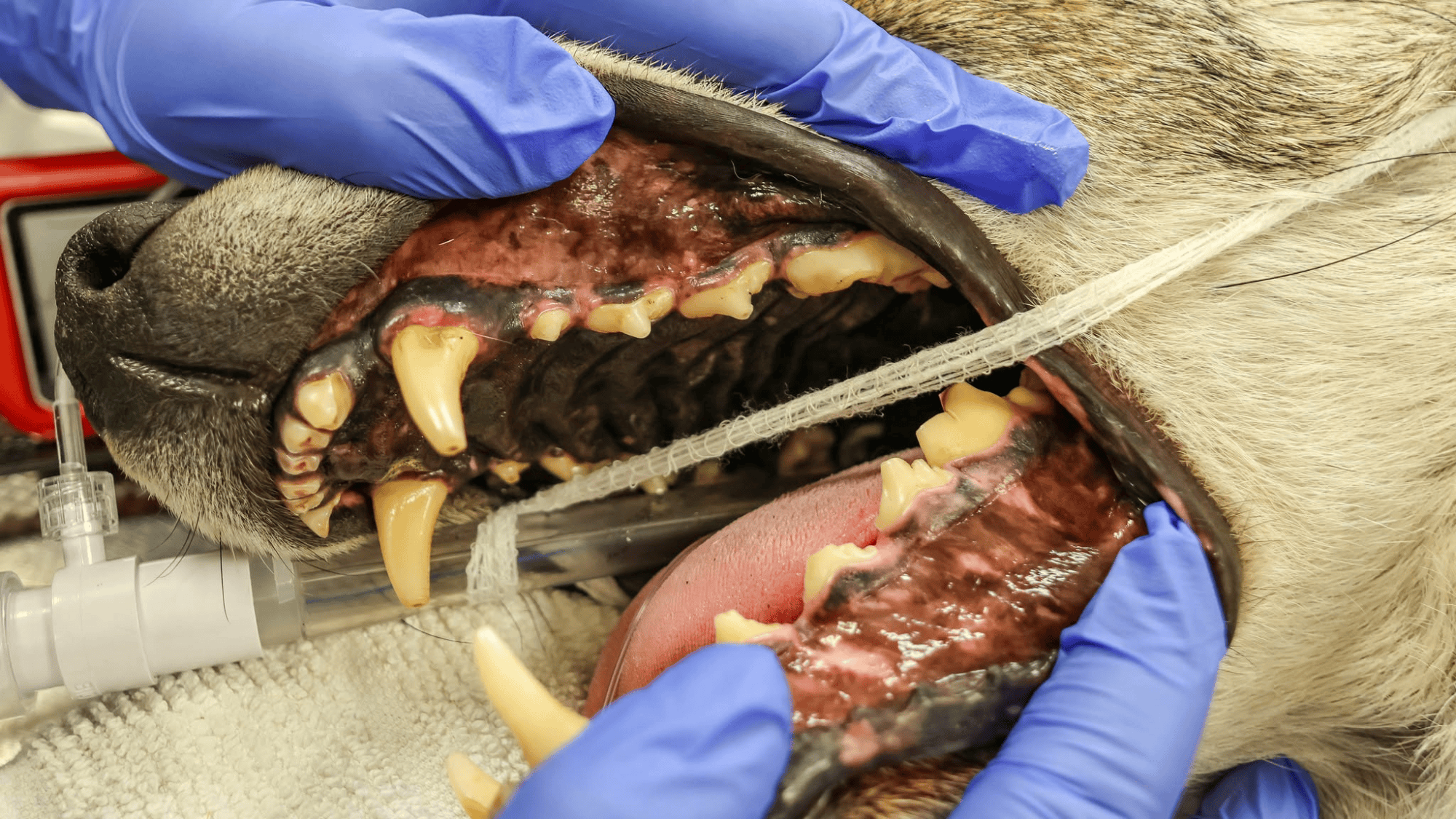
The wolves will receive some of the same vaccines as your pet dog. The post How a red wolf gets a checkup appeared first on Popular Science .
Annual human checkups are relatively straightforward. You hop onto the exam table, stick your tongue out, stare straight ahead as the doctor beams light into your eyes, let them tap their small hammer against that wildly uncomfortable spot under your kneecap, etc. But for wildlife, it’s a whole other experience.
We’ve previously discovered that conducting a checkup on a 140 pound stingray takes eight people, that you can weigh an octopus with a laundry basket , and that bears should always be under anesthesia before their exam. But what about another favorite carnivore—wolves? According to Vicki Scharfberg, from Roger Williams Park Zoo & Carousel Village in Rhode Island, the annual wellness examination for red wolves ( Canis rufus ) is not that different from a pet dog’s annual veterinary visit.
“The biggest difference is the level of restraint or sedation needed for red wolves, since they are wild animals and not habituated to human contact,” she tells Popular Science .
The checkup includes a physical examination at the wolf enclosure or the zoo veterinary hospital, bloodwork, vaccinations, heartworm prevention care, and if necessary, parasite treatment. A social media post by Roger Williams Park Zoo showcases their red wolf named Frye thoroughly knocked out on the exam table, undergoing an oral exam, among other things.
The team uses the bloodwork to check on the wolf’s organs and screen for heartworm disease. Interestingly, their vaccines are the exact same ones veterinarians give to domestic dogs for rabies, distemper, parvovirus, and leptospirosis.
Heartworm prevention treatment involves a long-acting 12 month injection. Heartworm disease is caused by grossly long worms called heartworms that take up residence in an animals’ heart, lungs, and related blood vessels. This parasitic condition triggers severe lung disease, heart failure, and damages other organs. Heartworm is potentially fatal, and in addition to wolves can also impact animals including dogs, cats, ferrets, foxes, and humans.
“If something abnormal is found on the examination, we follow up with additional diagnostics like x-rays, ultrasound, or a consult with a veterinary specialist (dentist, cardiologist, etc),” Scharfberg concludes.
The post How a red wolf gets a checkup appeared first on Popular Science .