Jensen Huang is back as Nvidia CEO after just 11 days — what it means for you
Latest from Tom's Guide ·
Jason brings a decade of tech and gaming journalism experience to his role as a Managing Editor of Computing at Tom's Guide. He has previously written for Laptop Mag, Tom's Hardware, Kotaku, Stuff and BBC Science Focus. In his spare time, you'll find Jason looking for good dogs to pet or thinking about eating pizza if he isn't already.
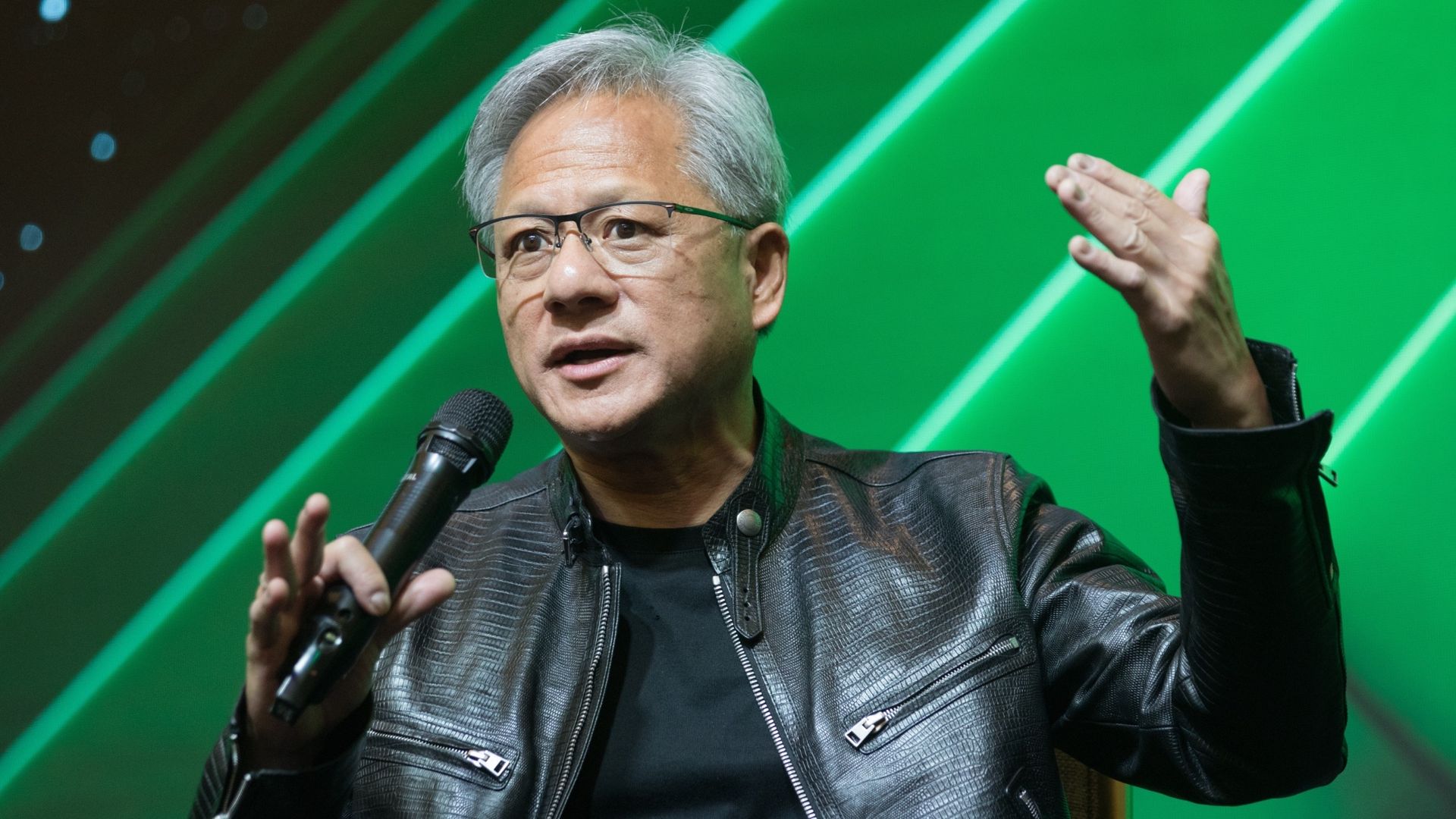
Effective immediately, Nvidia’s Board of Directors just voted unanimously to reinstate Jensen Huang as President, CEO and board director — just 11 days after he resigned amid an explosive espionage and extramarital affair scandal, and a mere six days after the company insisted it had no intention of bringing him back.
If you blinked over the last two weeks, you might have missed the entire post-Jensen Huang era of Nvidia. It is the kind of corporate whiplash that makes Sam Altman’s infamous five-day OpenAI ousting look like PTO. To make sense of how the world’s most consequential chipmaker pulled off a full-speed reverse, you have to look at the sheer chaos of the last 25 days.
So what changed between last Tuesday’s firm “no” and this morning’s unanimous “welcome back”?
According to Nvidia’s official announcement, two things broke the deadlock: a series of sitdowns where the board became “satisfied with respect to Mr. Huang’s candor and ability to lead,” and — crucially — a green light from Washington.
The board explicitly noted that it “received input from senior levels of the United States government, and based on that input, the Board is confident that Mr Huang’s reinstatement poses no national security risk.”
Combine that quiet federal clearance with an internal employee revolt, vocal backing from the White House and a brutal month on the stock ticker, and the board’s math became pretty simple.
"The Board believes Jensen is the right person to lead NVIDIA, and that his reinstatement is in the best interests of our stockholders, employees, partners and customers," Jones said in Monday’s statement, thanking Colette Kress for holding the fort as interim CEO before returning to her full-time CFO duties.
Huang, for his part, struck a notably humbler tone than the usual keynote bravado I’ve seen in person a few times.
"I take this responsibility with the greatest humility and renewed commitment... Above all, I am grateful for the love and support of my family. I can't wait to get back to work." — Jensen Huang, Nvidia CEO
Before you get too excited with “WE ARE SO BACK” responses and “stonks” GIFs, read the fine print at the bottom of Nvidia’s press release. Huang may have his title back, but he’s walking back into a very different corporate structure — and the legal storm hasn’t magically evaporated:
If you were hoping that two weeks of boardroom chaos at Nvidia would pop the AI bubble and magically bring back $90 DDR5 kits (like me), I have some bad news: Jensen Huang’s comeback just put the AI infrastructure train right back at full throttle.
With Wall Street cheering his return and Washington clearing the runway, hyperscalers aren’t tapping the brakes on data center spending anytime soon.
That means Samsung, SK Hynix and Micron have zero reason to pull wafers off high-margin data center memory and send them back to everyday PC builders — especially with Trendforce expecting DRAM prices to climb another 10-15% this quarter and stay tight well into 2027.
Does that mean the dream of RAMageddon dying is gone? Not quite — it just changes your game plan.
If you see a legitimate Black Friday deal that actually undercuts pre-crisis pricing, treat it like an escape hatch. Waiting for “cheaper RAM next spring” is a gamble that’s looking worse by the hour.
There is one genuine silver lining. While DRAM stays squeezed, Trendforce’s latest forecast shows NAND flash prices finally turning the corner and starting to dip as early as Q1 2027 — so unless you spot a genuinely fair Black Friday deal, don’t let retailers gouge you on storage right now.
Nvidia’s rebound might keep AI demand humming, but it doesn’t bail the memory giants out of their California antitrust lawsuit or stop the mainstream backlash over inflated PC prices.
Jensen getting his desk back is great news for Nvidia shareholders. For the rest of us just trying to buy a computer without paying an absurd memory tax, the message is simple: grab the real Black Friday bargains while they exist, ignore the fake red discount stickers, and buckle in — RAMageddon isn’t packing its bags just yet.