Baby whale surprises scientists
Popular Science ·
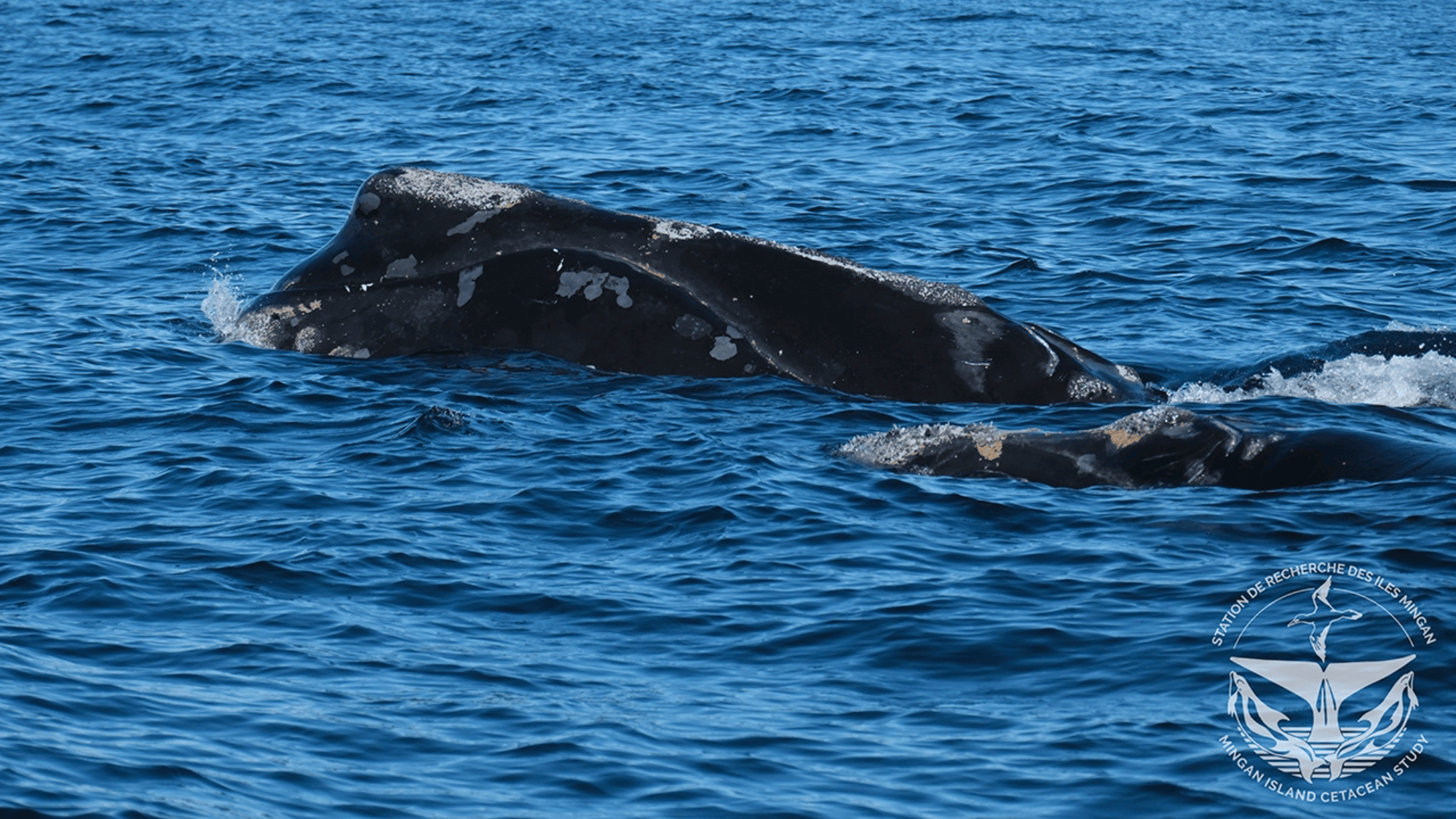
The critically endangered North Atlantic right whale calf flew under the water during calving season. The post Baby whale surprises scientists appeared first on Popular Science .
The 2027 North Atlantic right whale ( Eubalaena glacialis ) baby season has officially begun. The calving season lasts from November through April, and is a particularly important stretch of time given that the species is classified as critically endangered by the IUCN Red List.
Due to their low numbers, scientists are closely monitoring these baleen whales . Yet even with all of that surveillance, one whale managed to keep a secret up until September.Experts spotted a known female and her previously unidentified calf from last calving season near Anticosti Island, Quebec, Canada, according to the New England Aquarium .
The 38-year-old female right whale is called Silt. In addition to being a mother, Silt is also a grandmother and great-grandmother. The new calf is her sixth baby known to scientists.
“Silt managed to fly under the radar of survey teams throughout the spring and summer,” according to the aquarium “Although we don’t know exactly when or where her calf was born, she was briefly seen in the southeastern United States calving grounds in February, so it’s possible the calf was born there.”
More North Atlantic right whales are always good news. They are one of the most endangered large whales, and are vulnerable to ship collisions and fishing gear entanglement. Almost exactly a year ago, we were happy to report that the species is showing signs of slowly rebounding . 2024’s estimate of around 384 North Atlantic right whales represents a 2.1 percent increase from 2023’s estimate.
“The population increase is really good news, and so far, what we’ve seen in 2025 is also good news,” New England Aquarium senior scientist Heather Pettis told Popular Science in October 2025 . But “we’re talking about a population of 384 individual whales—that’s still incredibly low,” she added. “Yes, we’re seeing increases. They’re small, and we still are seeing injuries to animals from human activities. And so, you know, I say that we’re cautiously optimistic.”
The post Baby whale surprises scientists appeared first on Popular Science .