I did the Hindu push-up every day for a week: here’s what I learned
Latest from Tom's Guide ·
null
Spare a thought for the push-up, that most humble of body-weight exercises, and almost certainly the best known. It is as simple as exercise gets — lie on the floor, support your weight with your arms, lower to the ground, push back up, and repeat — it can be done almost anywhere and it is hugely effective, building strength and definition in the arms, chest, and shoulders. It also works the core, if you’re doing it properly. And if you want to challenge yourself, just do a few more. It is, I would suggest, a perfect exercise. And why mess with perfection? On the other hand, why not?
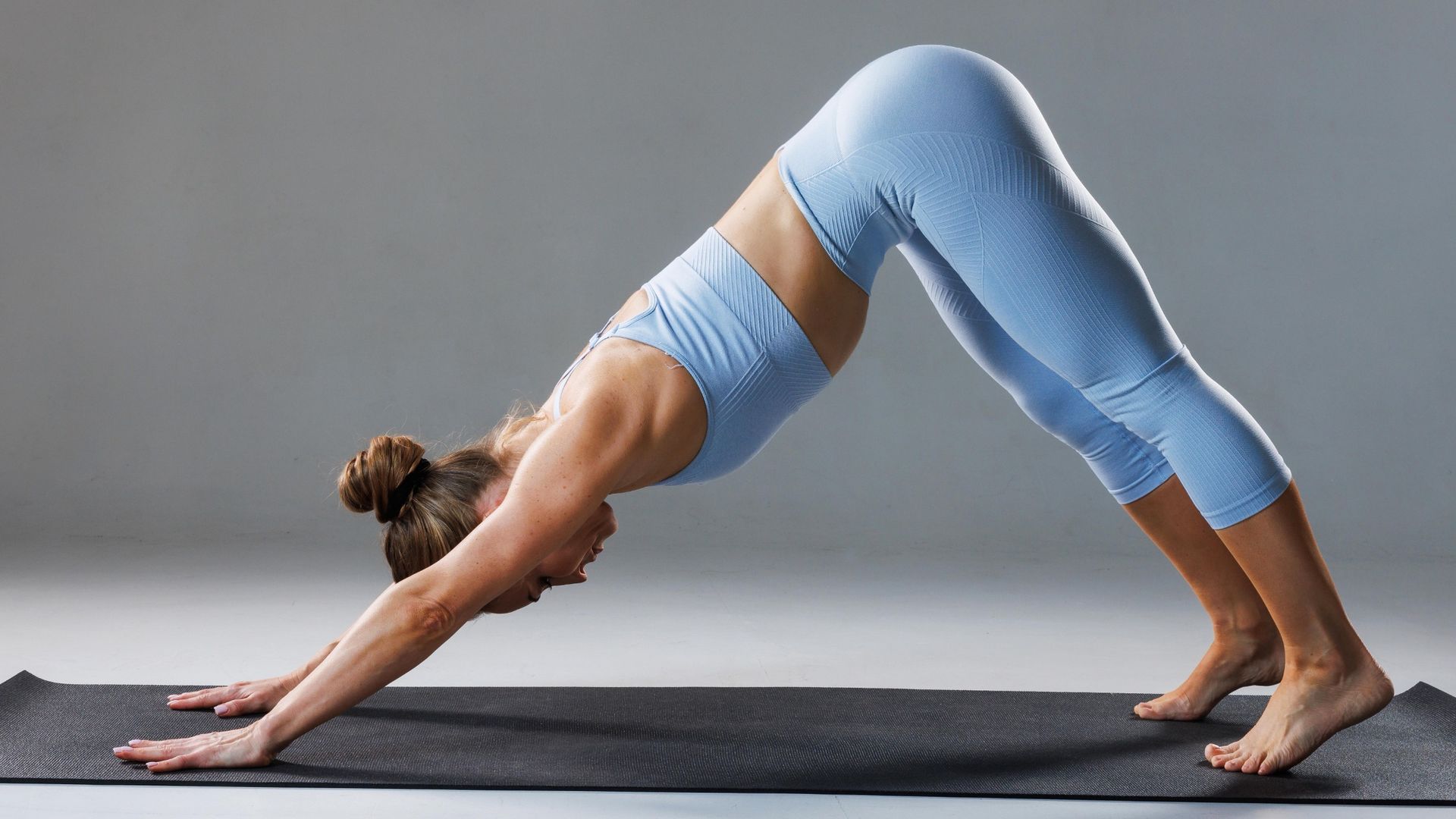
Which brings me neatly to the Hindu push-up, a dynamic variation on the basic move. It’s not new, having been a core training move for Indian wrestlers since at least the 19 th century. Ghulam Mohammad Baksh Butt, an undefeated giant of the sport (he was known, deservedly, as The Great Gama) purportedly did 3,000 Hindu push-ups every day as part of his savage training regimen.
The basic push-up is hard for beginners and even if you do them regularly, adding reps is tough, but the Hindu push-up is much harder, so I would not recommend this move for newcomers. However, if you’re up for it, it will improve your flexibility and work your back, glutes and legs in addition to the benefits listed above. If you do Pilates or yoga, you will probably find this a little more comfortable, in terms of form, at least.
I am inherently suspicious of any move that involves or is adjacent to yoga, as I am not nearly as flexible as I’d like to be, but I’ve been doing pushups for as long as I’ve been exercising (as with most people, I imagine, it was the first body-weight move I ever attempted — thanks, Dad).
For that reason, I approached this challenge with a mixture of confidence and trepidation, which is enormously confusing. I suspected I’d be undone by the inverted V and end cobra position, but I found I could do both reasonably well. What got me was the incredible strain it put on my arms, which was also what impressed me.
On day one, I struggled mightily with the movement from downward dog and was inclined to come up too early, which put a strain on my lower back. Bad idea. I restarted, going more slowly. This made for better form but an astonishing level of stress on my triceps as I swept down and then up into the cobra position, or as close as I could get to it.
Afterwards, I felt the effort in my arms, across my shoulders, and, to a lesser extent, in my lower back (in a good way). I managed two sets of 10, with some wobbling towards the end of each set. I strongly recommend you use a mat for this move, as your feet will slide back on a bare floor. When I finished, my triceps let me know someone had been working them in a way they did not recognize.
The following day, I still had the not displeasing ache in my triceps, which I do not feel after traditional push-ups (mind you, I could just add more reps). This time, I worked on controlling the downward and upward movement, rather than the weight-bearing part of the move. I kept my elbows close to my sides (do not let them flare out) and completed three sets of 10. Obviously, I had not become stronger after one day, so this considerable improvement was entirely down to better form.
For the rest of the week, I continued to pay close attention to my form. If you begin in the high inverted V position, your arms will not be too far forward when you sweep down, which will make things easier. Not easy. Easier. Very slightly easier. I began to enjoy the effort and the flowing motion when things were going well.
That said, I never went beyond three sets of 12 — this is a difficult, challenging move and I would only recommend it if you’re already very comfortable doing regular push-ups and have no lower back issues (you might want to check with a medical professional before you try the Hindu pushup). But if you do feel you are ready, then I can heartily recommend this exercise.
By the end of the week, I was feeling it across my chest, as well as in my upper arms and shoulders, and I was more than happy to be adding some flexibility work to a strength move. The ache in my muscles stayed with me for the week, which suggested the move continued to work my arms and chest in a way regular push-ups do not. I won’t be doing 3,000 of these every day, but that’s only because I have no desire to preface my name with The Great. I’ll settle for The Didn’t Fall On His Face…