I kept waking up at 3a.m. until I changed this simple but hidden iPhone setting — now the dark evenings aren’t ruining my sleep
Latest from Tom's Guide ·
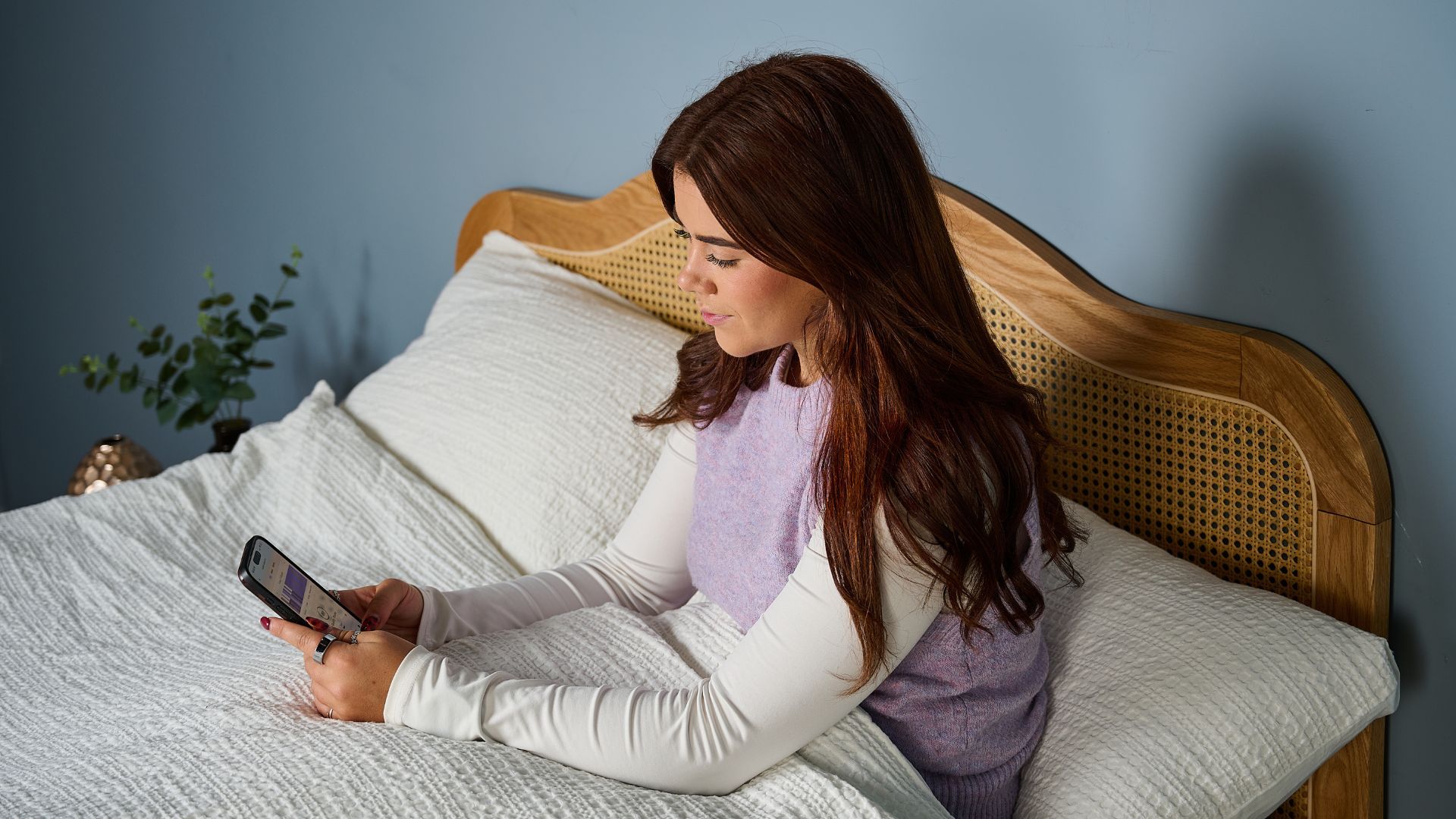
My sleep really took a toll when the clocks fell back this year. I was feeling agitated at bedtime, waking up at 3 a.m. , and feeling groggy when my alarm clock went off. That was until I looked at how I was spending my evenings — bathing in the blue glow of my phone as I scrolled into the night.
I spend a lot of time on my phone both socially and for work and those hours of screen time can have a negative impact on my sleep. However, I have stumbled upon a free iPhone setting that has helped me sleep through the night.
I've found that by amending the color of my screen I can mitigate some of the ill-effects that phone use can have — like waking up at night. I caught up with board-certified physician Dr. John La Puma whose work delves into modern exhaustion and how food, light and outdoor protocols impact it.
As a sleep writer I'm precious about my bedtime routine . I begin with a dark shower, make a herbal tea, and get into bed by 9 p.m. without fail most nights. But, as the evenings got darker and I began spending more time indoors, I found it harder to shut off to sleep and experienced more fragmented sleep through the night, no matter how well I thought I was preparing to rest.
I'd be tossing and turning and then wide awake at 3 a.m. which made for some pretty grumpy mornings. So I was determined to find the cause (and solution) to save my rest this winter.
Eventually, I pinpointed the change in my routine: increased screen time in the evenings. Whereas in the summer I tend to spend the evenings outdoors, as the nights got darker and longer, I was passing more time glued to emails, chatting in the group chat, or hooked on Instagram reels.
Surrendering to the fact I'm not going to eliminate all evening screen time, I've made it my mission to minimise the affect my iPhone has on my sleep. Alongside Wind Down and Sleep Schedule , I recently found the Apple's Night Shift mode.
This setting automatically adjusts the colors of your display to the warmer end of the spectrum. Instead of bright white light, it shows a warmer tone, making the display easier on your eyes.
Dr. La Puma explains bright, blue-rich light has the biggest impact on tricking your brain into staying awake and alert. So, swapping this for a dimmer, warmer light should make you feel sleepier in the evenings, prevent cortisol spikes, and improve overall sleep outcomes.
"Your brain reads evening light as daytime"
Dr. John La Puma
But he says, it's important to dim your screen in the evening as well as putting on Night Shift mode (the mode only changes the tone of the light; it doesn't tamper with the actual brightness level.)
This isn't my first brush with Apple's sleep features . I've already set up my Sleep Schedule, turned on Sleep Focus, and made sure I get a reminder to prioritise sleep at 9:45 p.m. every night (15 minutes prior to my desired sleep time). However, the Night Shift mode is super useful now the evenings are darker and longer. It helps mitigates the effect of that bright white light I'd get from my phone between sundown and bedtime.
Activating Apple Night Shift is simple. Head to your iPhone settings app. Locate 'Display & Brightness' tab. Click into 'Night Shift' and toggle on 'Scheduled'.
You can then choose to set a custom schedule – so it turns on between 7 p.m. and 7 a.m., for example – or automate the schedule to the actual sunset and sunrise. This way your screen will change as soon as the sunsets and return to white light when the sunrises.
There's also options to manually enable Night Shift, and you can adjust your color temperature. Switch it one manually and you'll immediately see the difference it makes to your screen.
But there are two precautions from Dr. La Puma. First, "Night Shift warms the color of the screen. It does not dim it, and brightness matters as much as color."
Switch on Night Shift, then also "turn brightness all the way down" and "put the phone in another room an hour before bed," advises the Californian sleep doctor. "That is what helps."
Second, he says, "What you are reading or watching keeps you alert too." Whether it's fast paced TikToks or overwhelming news feeds, the content you consume around bedtime can keep your mind ticking when it should be winding down.
Therefore, it's worth considering that late night stimulation for relaxing sleep sounds (our sleep writer, Frances Daniels, has been enjoying Apple's free sleep sounds feature lately) or guided meditations.
It's just light, how harmful can it be to your sleep? Well, light is actually a key in your circadian rhythm . It has the power to reset your body clock in the mornings and delay sleep onset in the evenings.
This is all down to the hormone cycles it controls. Bright light suppresses melatonin (the hormone that makes you feel sleepy) and increases cortisol (the hormone that makes you feel alert.) Therefore, too much bright light exposure around bedtime can cause 3 a.m. cortisol spikes , forcing you awake.
Spending too much time exposed to bright artificial light in the evenings can cause sleep problems because, as Dr. La Puma explains, "Your brain reads evening light as daytime." As such, it will suppress sleep-inducing hormones.
"Light reaches melanopsin cells in the retina, which signal the master clock to hold back melatonin. Bright, blue-rich light from overhead LEDs and screens does this most," he says.
A 2011 study in the Journal of Clinical Endocrinology & Metabolism found even ordinary room light before bed delayed melatonin and shortened its night by about 90 minutes. The result? "You feel wired at bedtime, fall asleep later and sleep more lightly," explains Dr. La Puma, who has written a whole book on how the 'indoor epidemic' can impact our sleep.
Great sleep doesn't always come naturally to everyone. Sometimes you need to tweak your habits and environment to help prepare your body for rest. Dr. La Puma has shared his top tips for giving yourself the best chance of getting quality slumber.
High Tech Blue Light Glasses: was $24.66 now $15.99 If you want to take restricting your light consumption a step further, consider investing in some blue light blocking glasses from $15.99 now at Amazon. I've recently purchased some of these and am excited to test how effective they are. Early research in the Therapeutic Advances in Ophthalmology Journal shows promise in their ability to help protect sleep quality. View Deal
The best sunrise alarm clock you can buy, the Hatch Sleep Clock is the ultimate gadget for regulating your circadian rhythm. By evening, a warm-toned sunset simulation sends you to sleep. By morning, gradually brightening light wakes you up. Now Black Friday sleep sales are here, you can grab $62.50 off the Hatch Sleep Clock. Just prepare to pay a $4.99/month subscription fee to access all features. View Deal
Red Book Light: $12.99 I've spoken about swapping scrolling for reading around bedtime and the hooga red light clip will come in handier than you think. Easily clipping on your book, it helps promote melatonin production and means you needn't get up to turn off a lamp when you feel sleepy. Trust me, it's $12.99 wisely spent. View Deal