'We would have been better off never developing it': The 'Godfather of AI' warns we may regret creating AI
Latest from Tom's Guide ·
null
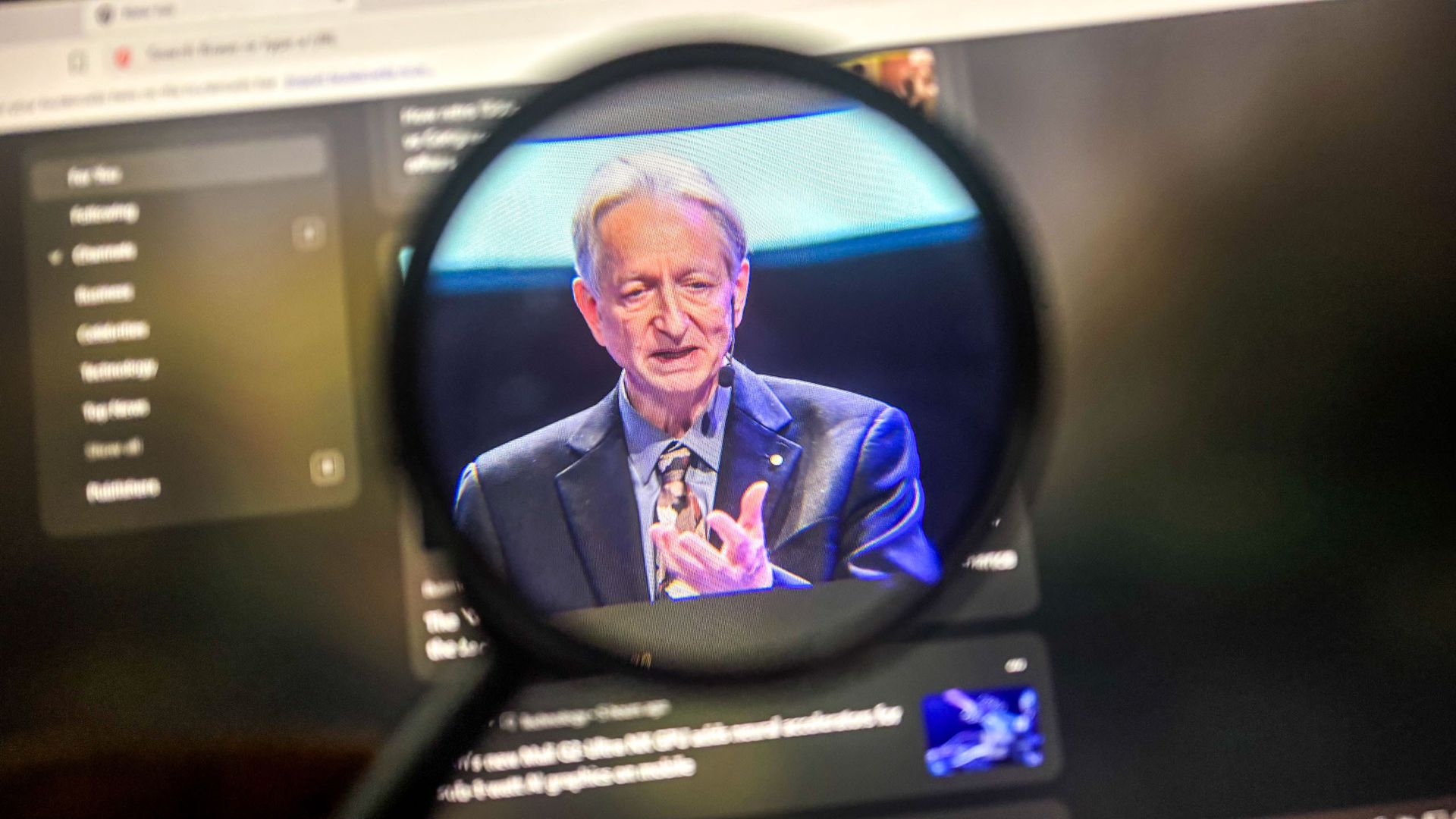
Geoffrey Hinton’s name has been making the rounds a lot more often nowadays due to his commentary on the very technology his research helped develop.
During an interview with the Financial Times , he predicted who will benefit financially the most from the continued evolution of AI. “It's going to create massive unemployment and a huge rise in profits,” he pointed out. “It will make a few people much richer and most people poorer. That's not AI's fault, that is the capitalist system.”
And during an appearance on The Diary Of A CEO podcast, Hinton gave his thoughts on the topic of AI being misused and the associated risks that come with it. “There's risks that come from people misusing AI, and that's most of the risks and all of the short-term risks,” he noted. “And then there's risks that come from AI getting super smart and understanding it doesn't need us.”
Now he’s back in the news for (once again) giving a stern warning about AI. Here’s what he had to say during his latest interview.
During a conversation with The Guardian , Hinton made it clear that he doesn’t see himself as an AI doomer and that he genuinely believes that AI has the potential to lead to great things happening in the future. But he balanced out that optimistic outlook with a more sobering one when he stated that “it might be that we would have been better off never developing it.”
Hinton also gave a very blunt answer when the discussion moved over to the major leaders backing the companies that keep releasing even more advanced versions of their signature models. “I think [Mark] Zuckerberg and [Elon] Musk and Sam Altman, they understand the risks, and they don’t give a s**t,” he said. “They’d rather have the money. That’s my belief.” As Hinton’s conversation with The Guardian continued, he presented the idea of a federal agency that keeps a close eye on AI and makes sure the companies that develop it release it in the safest state possible.
“We need something like the American FDA for drugs where the companies have to give very good statistical evidence to an independent authority that [the AI model] does more good than harm before it is released,” he declared. “We discovered with thalidomide [a drug developed in the 1950s that caused severe birth defects] that releasing and then suing them isn’t the right way to do it. What the big tech companies are saying is treat it like we treated thalidomide.”
One of Hinton’s other more recent comments about AI that proved to be alarming for many was said during a CNN segment . Simply put, he warned everyone that the threat of humanity’s destruction via AI is a real possibility if we don’t get it under control. “If we don’t figure out how to make it safe, there’s a real possibility it could destroy us,” he declared. “We’ve never made things that are smarter than ourselves. We don’t know what it’s like to deal with them.” He went on to say that it would simply be “foolish to keep developing these things until we understand how we can live with them.”
Hinton’s sentiments about AI fall in line with most of the American voters who made their voices heard against the technology. According to Data Centers on the Ballot , 37 measures aimed at restricting data center development have won over a single measure that’s attached to allowing the continued expansion of those same centers.
And while the Trump administration’s push for AI and renaming it “Super Intelligence” has made the rounds, Americans are largely pushing back against those initiatives (as evidenced by this site’s current 90.5% rate of people who oppose data centers). Even with Hinton’s negative sentiments about AI while speaking with The Guardian, he remained optimistic about humanity and the ability to intervene to keep it under control.
“My gut is that we’re still in control,” he proclaimed. “We might well be able to do something. It’ll only work if we put a big effort into it, but we might well put a big effort into it.”