This New Research About Microplastics Is Pretty Damn Scary
Futurism ·
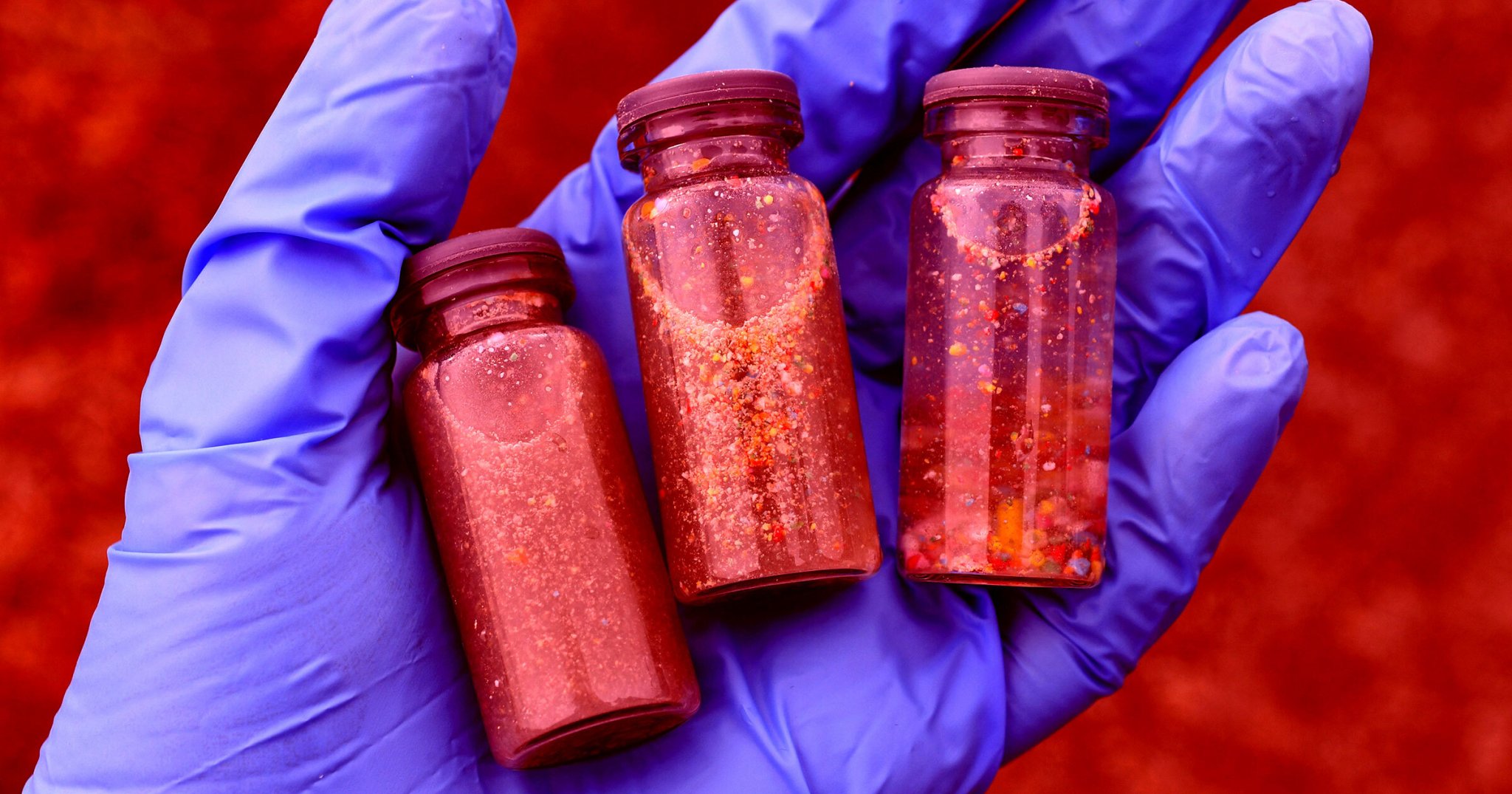
"This work has significant implications for environmental and human health." The post This New Research About Microplastics Is Pretty Damn Scary appeared first on Futurism .
A new piece of research is pushing back on the long-held belief that plastic is a harmless and chemically inert material.
The new study, published in the journal Nature , took a look at the way micro and nanoplastics interact with water-rich environments such as the human body. It found that typical consumer-grade microplastics exhibit “intrinsic physicochemical activity” there, indicating that the tiny chunks of plastic do indeed react chemically inside our bodies.
“As plastic fragments into smaller and smaller particles, its surface area increases enormously,” Columbia professor of chemistry and biomedical engineering and study co-author Wei Min said in a press release . “Then microplastics change the water that surrounds them, generating high-energy, reactive radicals… that very likely contribute to biological damage that we see in animals and potentially in humans as a result of microplastic exposure.”
Min was previously part of another alarming study , which found that the average liter of bottled water contains upward of 240,000 tiny microplastics, a much higher count than previously known. Combined with the new research, it looks like those untold thousands of plastic bits are capable of causing much more chemical harm than scientists had given them credit for.
As co-author Beizhan Yan put it, “this work has significant implications for environmental and human health,” particularly when it comes to food supply chains.
In the US, plastics make up an integral part of the food chain. They’re heavily integrated into industrial agriculture , present in high quantities throughout food processing , and are extensively used in food distribution , whether to preserve fruits and vegetables or as packaging for groceries.
The scale of plastic packaging alone is staggering: it’s estimated that food packaging accounts for 40 percent of the world’s total plastic production. With billions of dollars riding on the plastics industry, your average working-class person has little hope of skirting microplastics through a simple change in consumption habits — even if you have enough money to buy the haute premium foods packaged in glass or tin, individual consumers have no control over how much plastic their food is exposed throughout the production process.
Given the growing body of work pointing to the horrifying consequences of microplastics on the human body, it seems our collective health depends on finding a way out of this plasticky status-quo — and fast.
More on plastics: Scientists Turn Plastic Waste Into Edible Cookies Because That’s the Future We Deserve
The post This New Research About Microplastics Is Pretty Damn Scary appeared first on Futurism .