What night is van Gogh’s ‘The Starry Night’? New analysis says it’s in July.
Popular Science ·
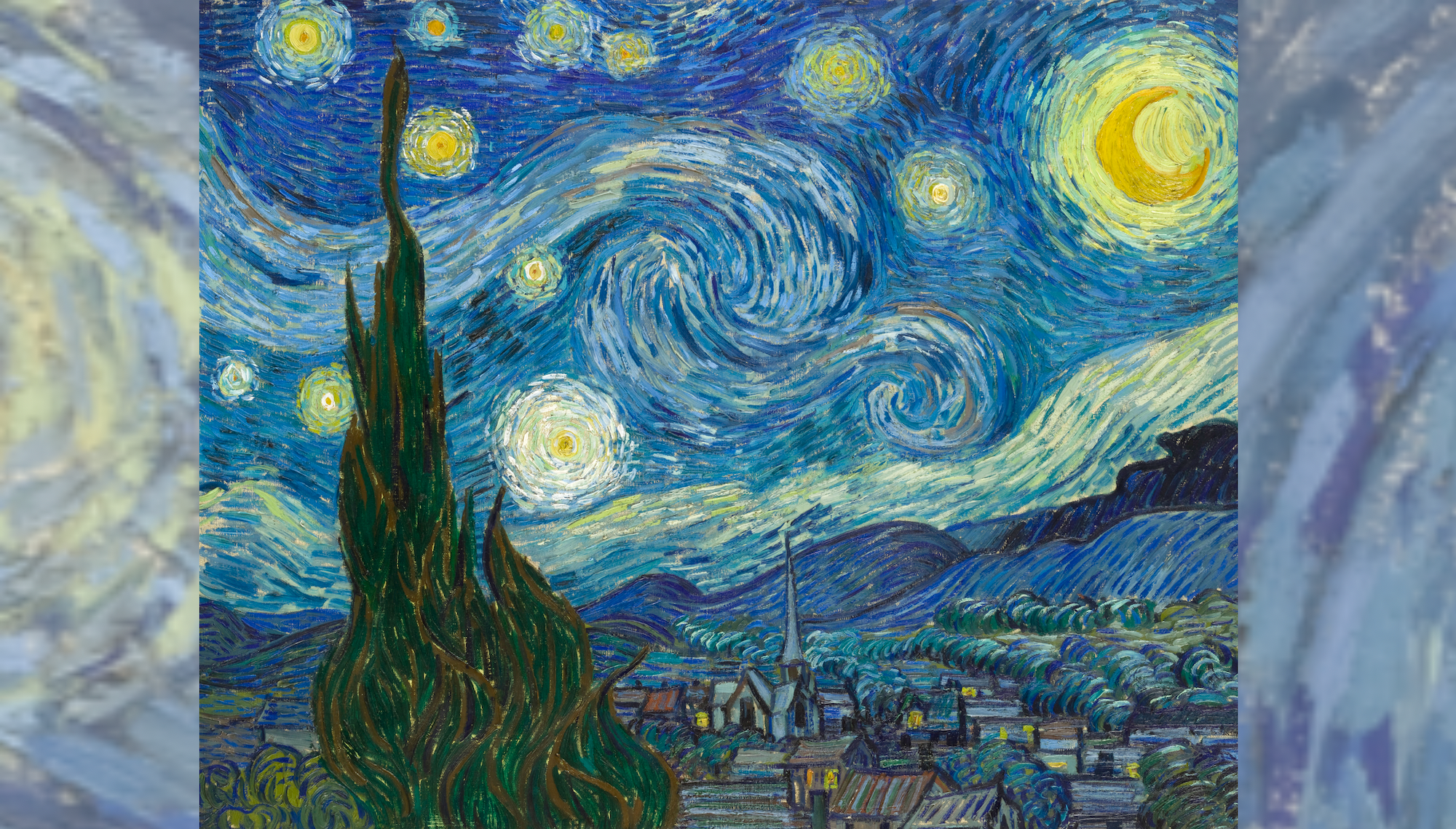
Astronomy, weather data, and even letters referencing cicadas indicate he may have painted what the sky looked like around July 22, 1889. The post What night is van Gogh’s ‘The Starry Night’? New analysis says it’s in July. appeared first on Popular Science .
The swirling bluish-white mistrals, towering cypress trees, and glittery stars in Vincent van Gogh’s “The Starry Night” (1889) have captivated our imaginations for generations. Despite never selling a painting during his lifetime, van Gogh’s “The Starry Night” has since inspired a hit song in 1972 , draws visitors to the Museum of Modern Art in New York City , and adorns everything from journals to scarves and tote bags.
But what particular night above Saint-Rémy-de-Provence, France, did the troubled post-impressionist painter actually put on the canvas? A new analysis points to July 22, 1889. During the early morning hours at that time of year, a waning crescent moon, the planet Venus, and the Hyades star cluster in Taurus appeared close together—all of which are seen in the painting. A study published today in the journal Scientific Reports details the findings.
According to the Metropolitan Museum of Art , van Gogh was inspired by the view from his window at the Saint-Paul-de-Mausole asylum in southern France. He spent twelve months there 1889–1890, seeking reprieve from his mental illnesses and was also diagnosed with a form of epilepsy .
Like many of his paintings that year, “The Starry Night” was created in several sessions during the day, under different weather conditions. The village nestled below the hills was also based on other views, and could not be seen from his window. Although van Gogh reconstructed some of the features in the night sky as he saw them, he also altered the celestial shapes and added a sense of glow.
“Van Gogh assigned an emotional language to night and nature that took them far from their actual appearances,” the museum writes . “Dominated by vivid blues and yellows applied with gestural verve and immediacy, ‘The Starry Night’ also demonstrates how inseparable van Gogh’s vision was from the new procedures of painting he had devised, in which color and paint describe a world outside the artwork even as they telegraph their own status as, merely, color and paint.”
Using astronomy to pinpoint which day inspired the painting began with UCLA art historian Albert Boime in 1984 and Harvard University astronomer and astrophysicist Charles Whitney in 1986 . The two scholars reached conflicting conclusions, and neither of them displaced the prevailing religious and symbolic interpretations of the painting.
Historically, the painting has been dated based on a letter van Gogh wrote to his brother Theo around June 18, 1889. However, the waning gibbous moon from mid-June does not account for the slender crescent seen in the painting. By July 22, 1889, the Hyades star cluster rose in the eastern sky alongside Venus, and the moon’s shape looked closer to the crescent on the canvas. This new study uses observational geometry to find an answer.
“To an observational astronomer, the cluster of stars in ‘The Starry Night’ is the Hyades in Taurus,” said study co-author Elijah Jeong-hyun Kim . “But the moment I read the earlier studies explaining it as Aries, I heard the painting calling to me.” Kim is the CEO at South Korean robotic telescope company SLLAB and a PhD candidate at Kyung Hee University.
For this research, the team combined astronomical simulations and measurements of star positions, with historical weather records, and van Gogh’s own letters. They also used earlier sketches of the landscape to reconstruct the narrow field of view represented in “The Starry Night.”
According to the team , the crescent moon, Venus, and the Hyades star cluster in the constellation Taurus would have been visible around dawn on July 22, 1889. This configuration generally corresponds to what is portrayed in the painting. Weather records suggest that the night sky around July 22 would have been clear enough for this astronomical arrangement to be visible. Additionally, the frequent mentions of cicadas in van Gogh’s letters suggest that the region was seeing a period of hot weather, which matches the recorded temperatures in July 1889 better than in June.
The team also verified that the painter’s field of view in another painting titled “Starry Night over the Rhône” (1888) with photographs taken on site was painted when the sky was in Aries. Using the same method, the team also believes that the stars in “Café Terrace at Night” (1888) may be the Summer Triangle .
“I hope this work prompts a renewed, multidisciplinary look at the sequence and working methods of the Saint-Rémy paintings, and at Van Gogh’s movements that summer,” Kim said. “Our conversation with Van Gogh’s other skies is still ongoing. We plan to tell those stories one by one.”
The post What night is van Gogh’s ‘The Starry Night’? New analysis says it’s in July. appeared first on Popular Science .