5 things iPhone 20 should steal from iPhone Duo (and 3 things it shouldn't)
Latest from Tom's Guide ·
null
The iPhone Duo is easily the most impressive device Apple has made thus far, at least since the early years of the iPhone. Not only is it a whole new form factor, it includes things that you straight-up won't find on traditional iPhones. Certainly not the iPhone 18 Pro and iPhone 18 Pro Max.
But as big a deal as the first foldable iPhone is, 2027 will mark the 20th anniversary of the very first iPhone. Rumor has it that, like the iPhone X in 2017, Apple will celebrate the milestone with an all-new iPhone design . Word has it that this so-called iPhone 20 will feature a curved glass body that makes the phone look like it's made of 100% glass.
But there's guaranteed to be a lot more to the next iPhone than just a fancy design. And if Apple has any sense it should take some of the better parts of the iPhone Duo for the iPhone 20, while also making sure to ignore other aspects of the foldable's design.
You may be thinking, "isn't the iPhone 20 supposed to have an all-glass design? How does titanium fit into it?", and you make a valid point. The titanium used on other iPhones is only present at the surface of the frame, and the internal body is made from much cheaper aluminum.
If the iPhone 20 replaces that metal frame with glass, then there's no space for titanium, right? Yes, but that hinges on the curved all-glass design rumor actually coming true. Glass is not the easiest material to work with, especially when you're trying to do new things. So there's a chance that design may not happen, and if it doesn't Apple needs to bring back that premium material to get that mix of strength and low weight.
Because, let's be honest, the anodized aluminum shell isn't really cutting it right now.
Steve Jobs may have hated the idea of using a stylus with an iPhone, but the iPhone Duo proved that their usefulness isn't just limited to iPads. Sure, the iPhone 20 won't have as much screen space as the iPhone Duo's 7.6-inch inner display, but that doesn't mean we have to be limited to finger-based control.
Offering Apple Pencil support on iPhones means you get a lot more precision control. Whether you want to draw, write, take notes, and so on. It offers a bunch more versatility to the way you control your iPhone, and in a way that's totally optional. This clearly isn't one of those early smartphones that only worked if you kept hold of a little plastic tip.
In a similar situation, Apple may have insisted that Touch ID is wholly inferior to Face ID , from a security standpoint, but it's nice to have options. The iPhone Duo shows that Apple can add the power button Touch ID to an iPhone, offering a discreet fingerprint scanner away from the front of the phone.
This shouldn't necessarily mean the loss of Face ID, as was the case with iPhone Duo. It would be nice if Apple offered both, and gave users the option of which biometric security option they prefer. Personally, I much prefer Touch ID over Face ID, but some of my colleagues would disagree.
Plus, where security is concerned, no amount of biometric security will make up for a weak passcode.
Split-screen multitasking is not an uncommon feature on modern phones, but it's been totally absent from iPhones until the launch of iPhone Duo — and that needs to change . Admittedly, split-screen multitasking is more troublesome on a phone screen, since there's less space to fit multiple windows. However, that doesn't mean it can't be useful on slab phones.
We've all experienced times when we're using our phone for something, and keep having to move back and forth between different apps. Having the option to multitask means that you could just load those two apps up side by side instead. Saving you the hassle of switching, and avoiding any awkward reloading that the apps might want to do when you return.
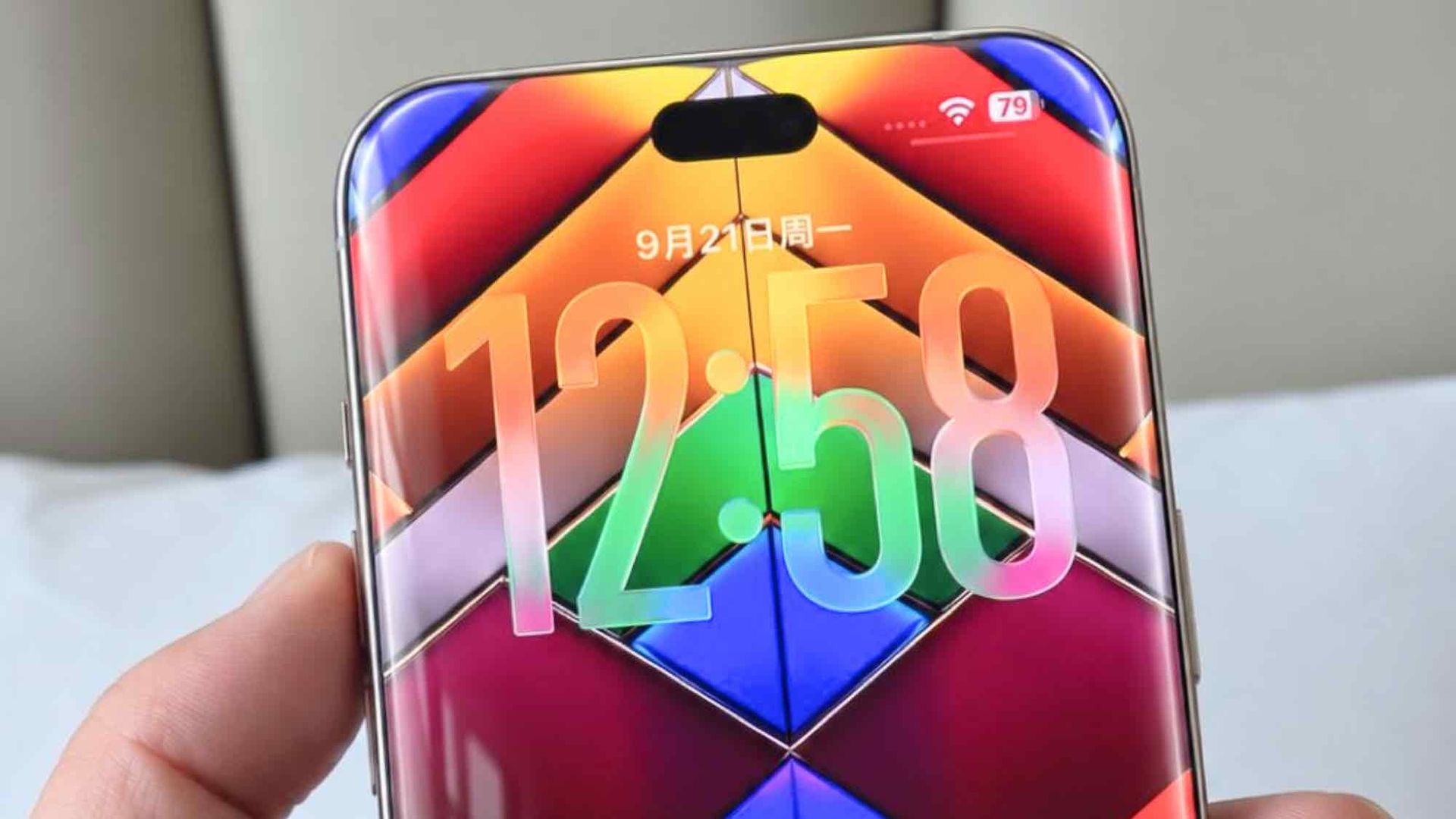
Another feature that's so common people don't even think about anymore is the hole punch camera. It's also something Apple seems to have deliberately avoided offering until the release of the iPhone Duo — and it's about time it came to more iPhones.
The obvious problem has always been Face ID hardware. This is why Apple had such large notches for so long, and why it later adopted the Dynamic Island. But we're getting to the stage where most of that hardware has been hidden away, and the iPhone 20 is the perfect time for Apple to push the rest of it under the screen where we can't see it.
If Apple can hide a camera under the Duo's screen, I'm sure it can hide the remainder of Face ID — even if the camera itself isn't ready to be out of sight.
One of the early iPhone 20 rumors was that it would have an uninterrupted display, thanks to the adoption of under-display tech. However, at least one recent rumor has contradicted those claims, and I hope it turns out to be correct. Apple markets the Duo's under-display camera as a "FaceTime camera," meant to be used for video calls rather than selfies. All because the camera quality is not very good compared to traditional selfie cameras.
The camera is hidden under the display by pixels that can effectively be switched off. Combined with a localized area of low pixel density, it allows light through to reach the camera. Sadly there are still obstacles in the way that interfere with that process, even if they're not as easy to see, and that affects the camera's quality. It's why under-display cameras fell out of favor in the first place.
That's fine on a foldable that already has a traditional selfie camera, and the option to shoot selfies with the main cameras. But the iPhone 20 won't have either of those things, and opting for an under-display camera is just going to mean users won't be able to take nice selfies.
We have seen an explosion of wide-shaped foldables this year, seemingly in anticipation of iPhone Fold and for the most part that design change has gone down pretty well. The shorter and wider screens are fairly comfortable to use, and there tends to be less unused space when you're watching a show or move on the foldable screen.
But we've also started seeing some phone companies produce non-foldable devices with wider screens . I've never used one, and I can't comment on how they compare to normal phone dimensions, but this trend is not something Apple should copy.
Apple isn't one for chasing trends, so this isn't likely to happen, but considering wider non-folding phones is still an unproven design, no phone company should be rushing to switch up its entire design language. Least of all a company that only releases six models each year.
The nanotexture display coating has a bunch of benefits for the iPhone Duo, ensuring a glare-free display and minimizing the look of the central crease. However, it also has the added hindrance of reducing the vividness of colors and making the screen look more washed out.
This is not something we want from the iPhone 20. There's no crease to hide, for starters, and the current anti-glare technology employed on iPhone 18 Pro Max seems to be doing a pretty good job and ensuring the screen stays readable in bright light. Which means the negatives of the nano-texture coating probably outweigh the positives. Unless Apple can solve the color issue and ensure the screen is still as durable as Ceramic Shield 2.