Human sacrifices were rare in ancient Peru, except when weather got violent
Popular Science ·
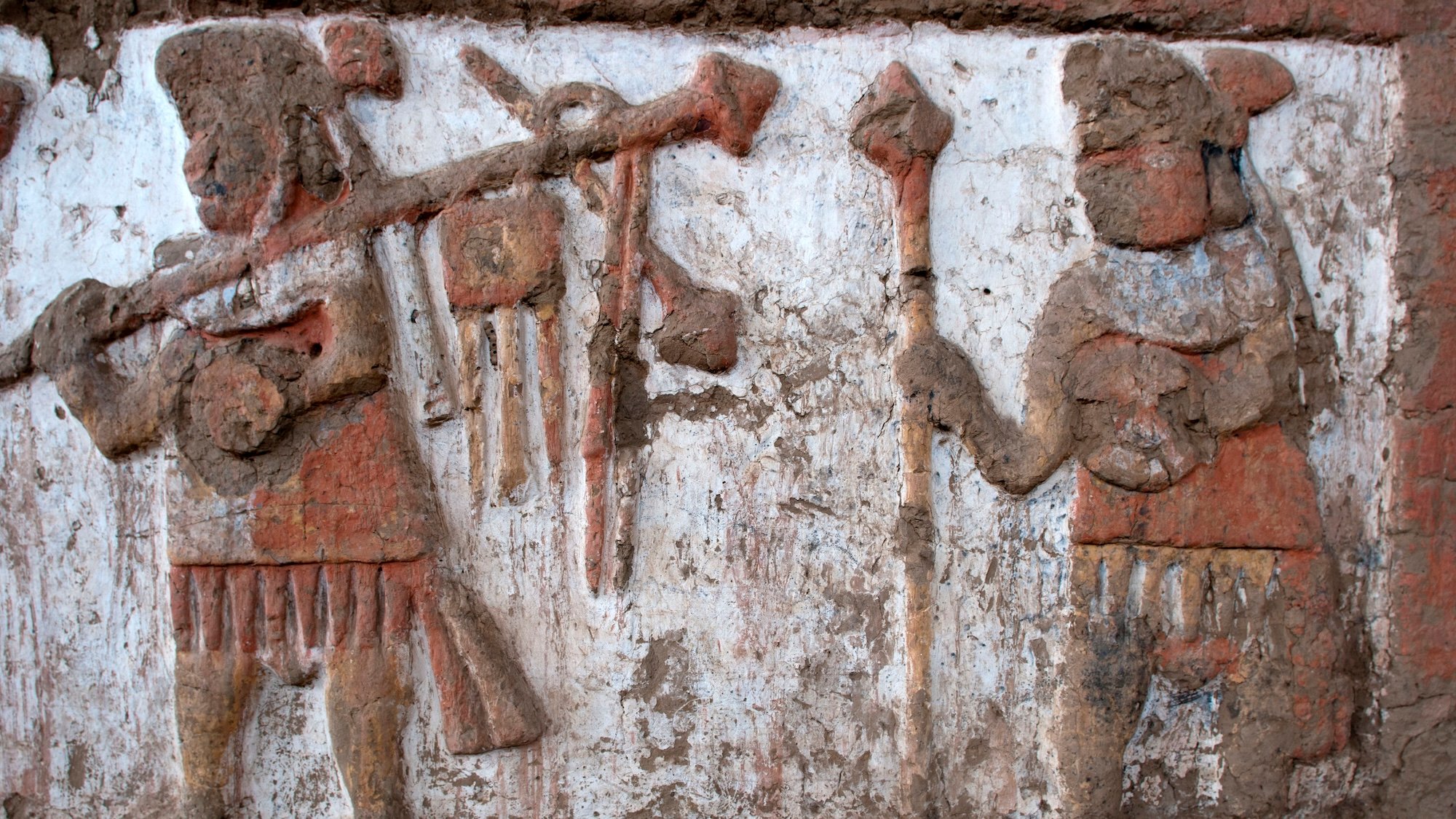
Ritual violence was an exception to the rule in the Lambayeque Valley. The post Human sacrifices were rare in ancient Peru, except when weather got violent appeared first on Popular Science .
Today’s cataclysmic climate change-fueled disasters are scary enough even when we understand the root causes. Prehistoric cultures unfortunately didn’t have this luxury, and often responded dramatically to such changes. In northern Peru, archaeological evidence indicates local societies sometimes even turned to mass human sacrifices in an attempt to stop destructive flooding from events like El Niño.
That said, researchers are now confident these periods of intense violence weren’t the norm—nor were they necessarily linked to climate issues. According to their study recently published in Frontiers in Environmental Archaeology , such brutal moments were actually pretty rare occurrences in Peru’s Lambayeque Valley.
“The main thing that jumped out at us was just how few cases of interpersonal violence we observed outside ritualized contexts,” said New York University archaeologist and study co-author Thomas Snyder .
The Lambayeque Valley is located inside northern Peru’s coastal desert, but the region has hosted residents for 6,000 years. Although the valley generally receives little rainfall, its rivers and proximity to the sea allowed communities to flourish there for generations, including societies like the Moche from roughly 100–750 CE, and the Sicán from about 750–1375 CE.
“Archaeological evidence shows that in so many ways they were mirrors of us—in how they lived their daily lives, interacted with their world, ran their economies, and confronted (and sometimes contributed to) environmental crises,” explained George Mason University archaeologist and study co-author Haagen Klaus .
Previous excavations have indicated that mass human sacrifices possibly preceded the collapse of the Moche and Sicán’s political systems. Researchers have since hypothesized that these acts likely coincided with periods of mass flooding,probably due to El Niño weather oscillations. Just like today, these weather events destroyed food stocks and disrupted agricultural production. Since large human sacrificial rituals may have been attempts by the ruling class to restore balance to nature, the team to wonder if violence was simply a more common facet of everyday life for the Moche and Sicán.
“If these big ritual sacrifices were indicative of some underlying crisis, we hypothesized that these events might have been extending into people’s everyday experience of the world,” said Snyder.
Klaus, Snyder, and their collaborators turned to the Lambayeque Valley Biohistory Project’s skeletal archive for answers. The collection spans about 3,000 years of history across 30 different archaeological sites. The team established relatively precise death estimates for over 1,600 individuals, while also examining them for evidence of intentional cranial trauma associated with human sacrifice. Contrary to their theory, only 25 remains (1.6 percent of the sample pool) showed signs of violence, while just 77 displayed indicators of accidental trauma. Of those, none were directly linked to known periods of past ecological crises.
“In Lambayeque, there’s 6,000 years of creative adaptations to El Niño and longer-term changes in climate, and widespread violence wasn’t one of them,” concluded Klaus.
The study’s authors noted that because they were notable to radiocarbon date all of the remains, their findings remain broader estimates of wide time periods. At the same time, they stressed the evidence underscores humanity’s history of facing intense climate challenges not with violence, but adaptation.
“This really highlights that widespread violence isn’t a predetermined response to climate change,” said Snyder. “As a society, we both get to and have to choose how we respond to our own climate crisis.”
“Violence and social unraveling are not destined outcomes, ever,” added Klaus.
The post Human sacrifices were rare in ancient Peru, except when weather got violent appeared first on Popular Science .