The 30-second store check that stops a Christmas cactus from dropping its buds
Latest from Tom's Guide ·
null
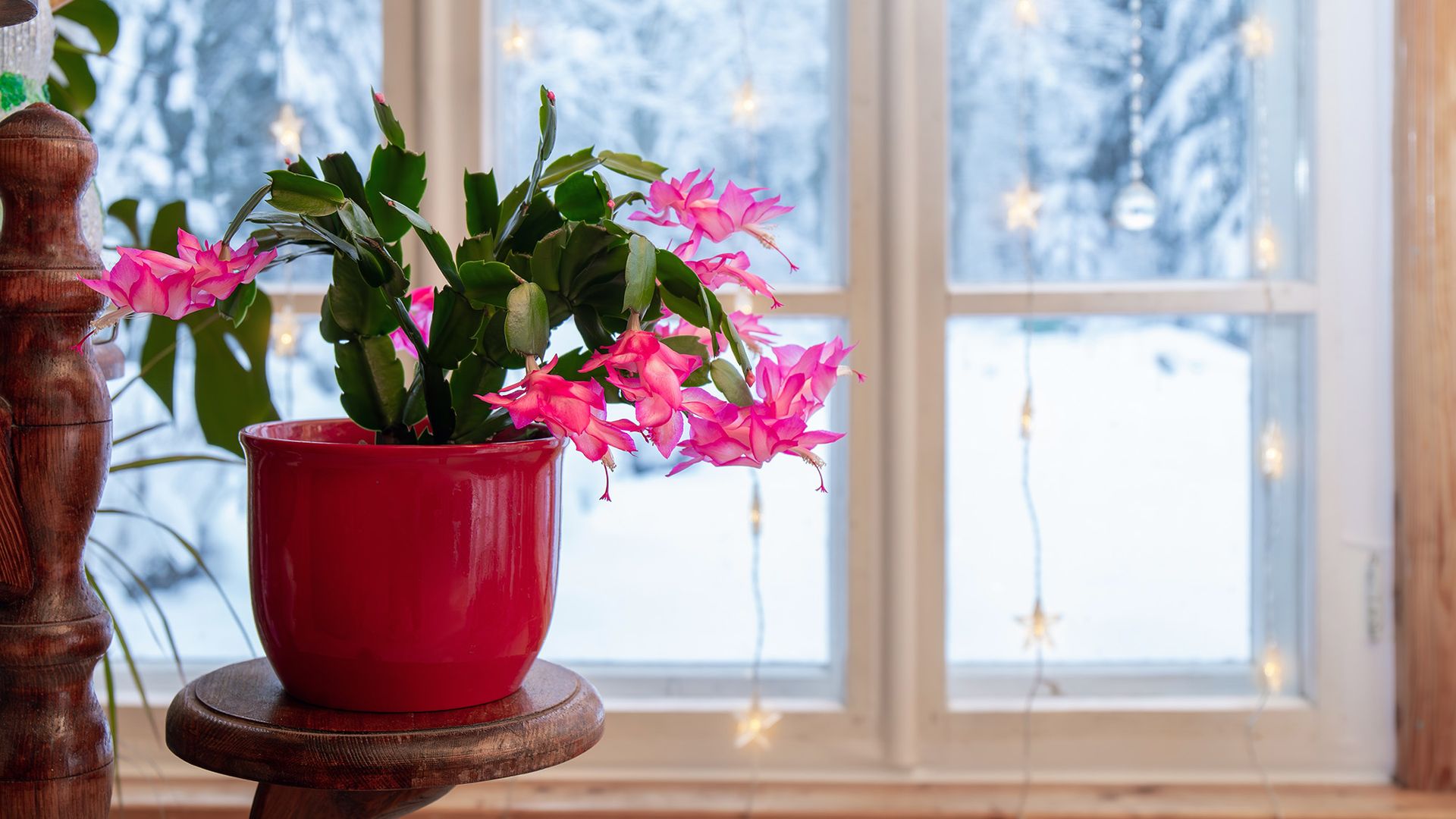
Few holiday disappointments sting quite like bringing home a vibrant Christmas cactus (or the spiky-leaved Thanksgiving cactus often sold alongside it in November), only to watch every unopened bud drop onto the table three days later.
While it is tempting to reach for the brightest, most open display at the garden center, plants pushed into early bloom in warm greenhouses rarely survive the shock of a typical living room without shedding their flowers.
A fast inspection right at the display bench is all it takes to separate a thriving winter showstopper from a stressed plant about to fail. Before heading to the register, run through these three simple checks.
While a pot bursting with open flowers looks like the obvious winner on the display stand, it rarely delivers the longest show at home. Specimens forced into early bloom under warm nursery lights tend to fade fast once moved into cooler, drier rooms.
Instead, look for a plant loaded with tight, swollen buds showing just a blush of petal color at the tips , ideally with only one or two open flowers to confirm the shade.
As Jocelyn Ho, plant expert at Palmstreet, explained to my colleague Camilla, “ Tight, small buds mean more bloom time ahead. A few open flowers are fine, but not too many so the plant has time to grow and shine .”
Make sure the buds feel securely anchored to the stem tips . Loose buds that detach at the slightest brush, or a ring of fallen buds sitting on the potting mix, are a clear warning sign of draft exposure or erratic watering.
The flattened, leaf-like segments give you an immediate snapshot of how well the plant has been cared for. Healthy specimens feature deep green, glossy segments that feel firm and plump to the touch . Dull, reddish, or limp foliage points to prolonged underwatering or light stress.
While you're examining the pads, lift a few trailing branches to check the undersides and joints for cottony mealybugs or scale insects before they hitch a ride home.
Also check the potting mix by gently pressing your finger into the surface: it should feel lightly, consistently damp . Because holiday cacti are tree-dwelling rainforest plants rather than arid desert dwellers, bone-dry soil causes rapid stress, while soggy mix triggers root rot.
The main stems at the center of the pot reveal whether the root system beneath the surface is actually intact. Look down into the base of the plant to confirm the stems are plump, upright, and sturdy .
Wrinkled, soft, or shriveled tissue near the soil line usually means the plant spent weeks sitting in cold, waterlogged peat that has already compromised the roots.
Walk away from any pot showing brown calluses, translucent soft spots, or main stems that wobble loosely when gently nudged. For the fullest display, choose a compact, bushy plant with plenty of branching segments rather than a spindly, stretched specimen that has been starved of light at the back of the shelf.
Having trouble with your own Christmas cactus? Whether your buds are dropping early, the leaves are turning limp, or you just can’t get it to bloom again, drop your biggest holiday cactus headaches in the comments below and I'll look into what's causing it.