13 unbelievable child car seats from the past century
Popular Science ·
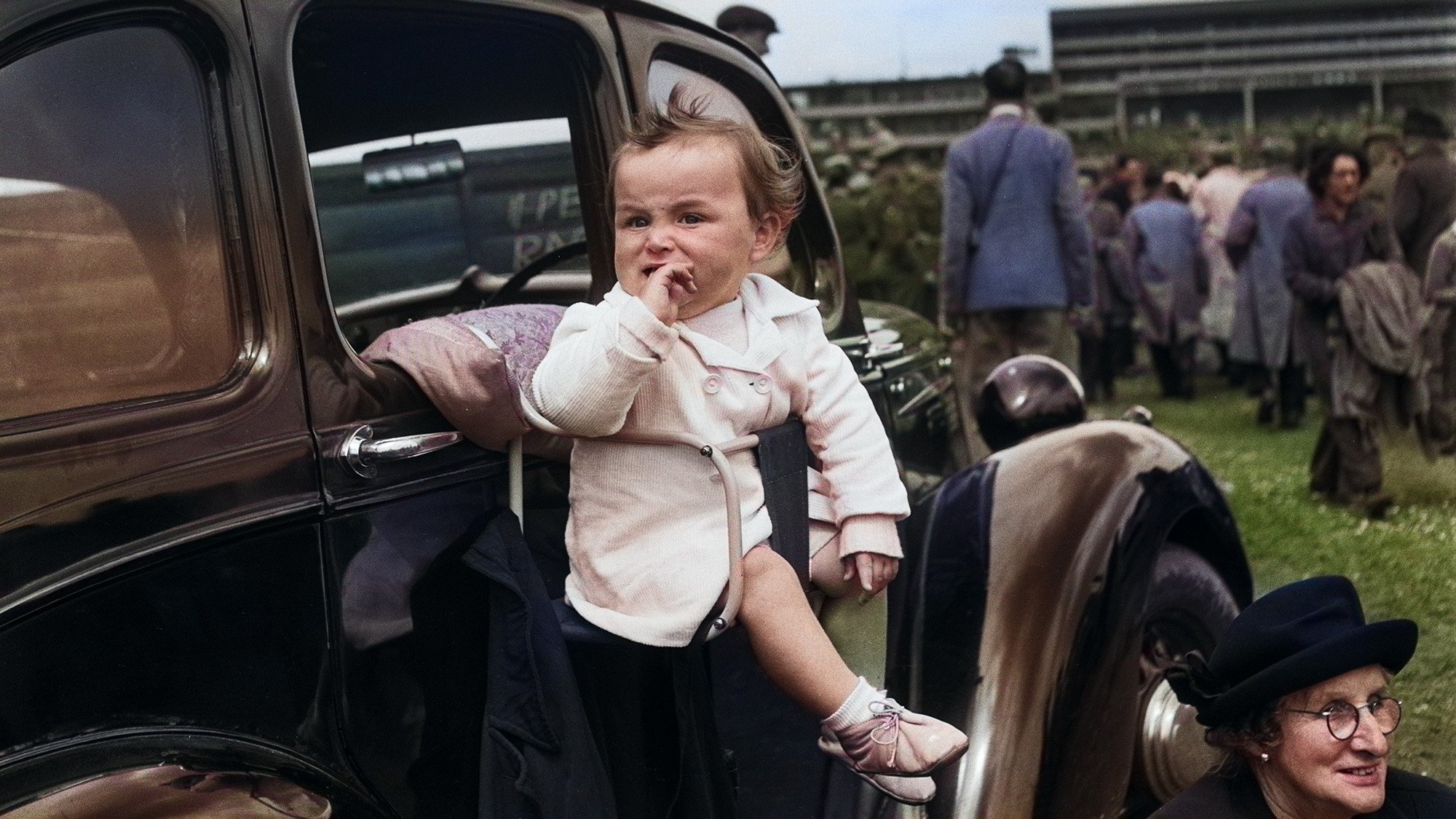
Some were even on the outside of cars, because what baby doesn't want a view? The post 13 unbelievable child car seats from the past century appeared first on Popular Science .
Every year, car seats save countless children’s lives. When used correctly, these plush little chairs can reduce the risk of death by up to 71 percent for small humans. That’s really important, especially considering that car crashes are the leading cause of death for children ages one to 13 .
But it has taken decades of innovation for car seats to become the safe automobile accessories they are today. The early days of children’s car seats were less about safety and more about making sure your baby wasn’t crawling around the gas pedal, clutch, or brakes. Some even attached to the outside of the car. Because what baby doesn’t want a view?
So let’s strap ourselves in and take a gander at the strange, sometimes bizarre history of children’s car seats . Click on the below images to expand to full size, and ask yourself—do you miss the days of metal frame car seats that ride shotgun?
In the 1930s and 1940s, car seats often had dangerous metal frames, without even a seat belt or restraint to keep babies and toddlers secure. Not to mention that younger passengers would just ride around in the front bench seat next to the driver, something not recommended for children under 12-years-old today.
In the 1960s, several different kinds of children’s car seats were invented, including the Jeenay Car Seat. British journalist and mother Jean Ames invented the seat in 1962. The seat featured a foam pad and a three point harness system, and was also the first children’s car seat intended to be used in the backseat.
In 1967, the Ford Motor Company introduced a new kind of children’s car seat they called the “Tot Guard.” In the May 1972 issue of Popular Science , the seat was described as having “a cleverly designed padded shield to cushion the face and head of a child in case he’s thrown forward and down in a front crash. The pad is kept in place by a lap belt fastened around it so the child is not harmed by pressure of the belt in a crash.” The seat cost $24.95, or about $200 today.
In the early 1970s, manufacturer Pride Trimble built Pride Trimble’s 875 model, but the car seat failed federal testing. Popular Science featured the seat in a May 1972 story entitled “Safe or Unsafe? The Truth About Car Seats.”
Beginning in 1980, Canada mandated that all forward-facing children’s car seats be tethered into a car. However, in the United States, tethers weren’t required for another 20 some years later.
By 1985, every U.S. state, including Puerto Rico and the District of Columbia, had passed laws mandating the use of children’s car seats. That same year, the Australia government was also doing a major push to promote car seats in a campaign called the Bassinet Loan Scheme. The campaign set out “to make infant restraints available at a nominal fee to parents of children up to six months old in all municipalities in Victoria,” according to a document from the Australian Road Traffic Authority. By March 1988, 13,271 car seats had been distributed. The initiative even got the British royal family involved.
In the 1990s, car seats were commonplace across the United States and came in a range of fun, geometric designs.
In 2000, the British government launched the now iconic THINK! campaign, which set out to reduce children road deaths by 50 percent by 2010. The campaign still promotes car safety today.
In the February 2002 issue of Popular Science , journalist Kelli Miller wrote a story entitled “ Come Ride with Me, Baby ,” about a rear-facing infant car seat built by Xportation Safety Concepts Inc. that would put the baby in the front seat. Needless to say, experts were livid about the potential risks of the car sear, especially since it would be placed directly in front of an airbag. The U.S. government never approved the car seat for use.
On September 18, 2006, Great Britain passed major legislation that mandated that all children under 12 years old or under four feet, five inches (whichever came first) had to use an appropriate car seat.
Today’s car seats are rigorously tested for safety. Some of the first formal tests began in 1972, when Consumers Union (now Consumer Reports), tested 15 different child safety restraints. Of the 15 they tested, 12 failed . At the time, this highlighted the need for better testing and regulations.
Modern child car seats endure test crashes at various speeds, must remain secure at even high speed crashes, and must be flame resistant.
The post 13 unbelievable child car seats from the past century appeared first on Popular Science .