Here's what James Talarico, Abdul El-Sayed and other US midterm election winners have to say about AI data centers
Latest from Tom's Guide ·
null
November 3, 2026, marked a monumental shift for American politics.
The midterm elections resulted in Democrats earning 54 Senate seats, with Republicans gaining 44. Across several battleground states, such as Michigan, Texas and North Carolina, voters turned out in droves for team blue.
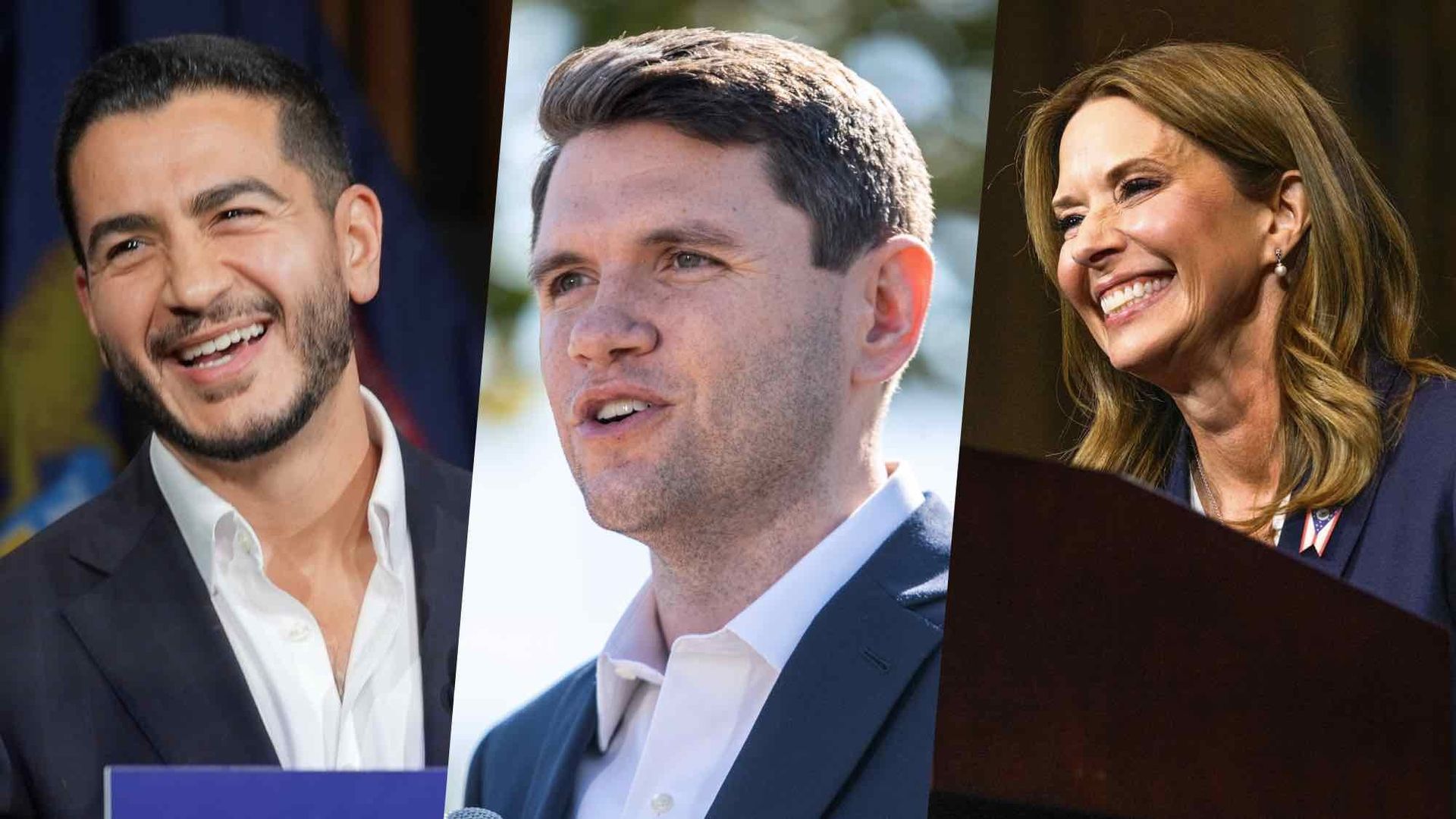
Now, the likes of James Talarico, Abdul El-Sayed, Deb Haaland and several other Democratic candidates have now become elected officials across the country.
There’s a wealth of issues that propelled voters to throw their support behind them, such as the US economy, immigration, healthcare and more. However, another issue that has taken center stage is AI data centers , which have gotten a ton of flak recently due to their harmful effects on the environment and the lack of transparency from the companies building them
So many newly elected officials have already given their opinions on AI data centers and may have swayed voters who oppose them to their side. Here’s what James Talarico and several other US midterm election winners had to say about AI data centers.
Back in July, Texas Senator-elect James Dell Talarico made a call for tighter regulations on data center development during his campaign.
During a news conference held in Austin, Texas, Talarico had this to say: “We’re often told in our politics that we have to choose between policies that are pro-growth and pro-people. I reject that choice, and the plan that we’re outlining today to hold data centers accountable, I think, strikes a balance between welcoming those investments while also protecting working people.”
While speaking with CNBC , he provided his thoughts on the intersection of AI, living costs and government oversight. “I think data centers brings together a lot of the issues that people are concerned about: cost of living, corruption in our government, artificial intelligence, and the fact that our government seems to be MIA when it comes to creating guardrails for this new technology,” he stated. “All of those issues are kind of combined in this problem of data centers, and it’s why it’s so emotional for Texans. We’re the epicenter of this data center crisis.”
One of Talarico's main priorities takes direct aim at data centers as he promises to hold them accountable and keep them from increasing the utility bills of residents living near them in Texas.
“End sweetheart tax deals for big tech companies, guarantee large energy users like data centers fund the infrastructure improvements they need rather than passing those costs on to consumers, require new data centers to use a closed-loop system to reduce water consumption and pollution, set minimum federal requirements for new data center projects to protect our grid, environment, and jobs and ensure transparency, and empower local communities to decide whether they want a data center in their town,” his policy idea stated.
Michigan Senate race winner Abdul El-Sayed has famously pushed back on the development of data centers.
Even though he agrees with the concept of moratoriums being placed upon them, El-Sayed still feels like the corporations backing data centers will still push for future development projects. “You’re talking about the potential for dozens of dirty data centers to pop up,” he noted. “What local communities are waiting for when they’re proposing moratoria is for the federal government to set a floor that protects all of them, and I think the federal government needs to set that floor.”
During a press conference in Saline, Michigan, back in July, El-Sayed noted that the federal government must intervene in the continued proposal of data center development.
“Unless and until the federal government stands up to act, we are going to watch dirty data centers get approved because they’re able to truck local politicians using exactly the same way that corporations get their way in our politics all the time,” he stated. “Political contributions, lobbying, and an army of lawyers. And unless and until we have those terms of engagement at the federal level, I stand with local and state elected officials saying that we cannot approve any more of these until we have federal level guardrails.”
El-Sayed's policy agenda, called “Terms of Engagement for Data Centers,” lays out several ideas meant to push back against the development of data centers in Michigan and the US as a whole.
The woman who was elected as the next governor of New Mexico (and is now recognized as the first female Native American governor) outlined a plan in September focused on holding data centers accountable and backing a moratorium on new large-scale development projects until proper guardrails are put in place.
Within that plan, Halland had this to say about her devotion to helping her state fight back against data centers. “New Mexicans are right to be concerned about the fast-paced growth of data centers,” she noted. “Our communities should be protected. That’s why I support a moratorium on data centers until the state adopts clear and transparent accountability measures for this industry. New Mexico has the opportunity to lead the way on how to protect our communities, safeguard our water, boost our economy, and sustain our environment for generations to come.”
Haaland’s proposed plan to keep data center development in check hits on the following points:
Last month, the governor-elect of Ohio spoke to WHIO 7 NOW in response to their question about her opinion on data centers. Dr. Amy Acton clarified that while she’s open to them being developed in Ohio, regulation must be at the forefront of their development. “We’re open for business, but we’re not for sale in Ohio. If you want to do business here, we have meaningful guardrails and you need to comply with it,” she said.
Acton’s official campaign site brought up data centers as one of the priorities she promised to stay on top of. She noted that she wants to make sure “costs for gas, water and electricity need to be covered by data centers and their investors and promised that “Ohio won’t loosen our air quality and groundwater standards for data centers,” among other qualifications.
Acton is only interested in having data centers constructed in Ohio if they’re able to meet the qualifications put upon them:
“I support a conditional moratorium on data centers to ensure they cover one hundred percent of their utility costs, exclusively build with union labor, operate with full transparency, support the needs of local communities, live by Ohio’s environmental standards, and bring jobs to former industrial areas that have been left behind.”
Just like some of her fellow Democratic election victors, the governor-elect of Texas backs a moratorium on the creation of new data centers. Hinojosa also supports the introduction of stricter regulations on the water & power consumption of data centers, plus she’s seeking an end to tax breaks for the companies behind their development.
While speaking to ABC News last month, Gina Hinojosa noted that she didn't expect the issue of data centers to be such a major topic for her campaign, "but the thing about the data centers is it's a physical manifestation of a government, a governor doing the bidding of the moneyed interests and leaving the people to fend for themselves ... it's also told the story of a larger problem in Texas."
The following YouTube short also offers more of Hinojosa's thoughts on data centers:
The prevailing trend among many of this year’s midterm election winners is that the development of data centers must be properly regulated. The people living in the states where data centers have become prevalent are not too fond of their harmful effects on the environment, the ways in which they’ve boosted their utility bills and more.
The elected politicians mentioned beforehand, as well as other newly elected politicians such as New Hampshire Governor Kelly Ayotte and Wisconsin's first Black governor David Crowley , agree to oppose the hastening development of data centers without proper guardrails.